Leave No Trace - A Legacy Worth Protecting
Every year, millions of people stand beneath Half Dome, watch sunrise in Joshua Tree, or hear the quiet of an alpine lake for the first time. Those moments feel timeless—but the places themselves aren't. Every footprint, every shortcut, every orange peel adds up. That's why Leave No Trace matters.
At its heart, Leave No Trace is more than a slogan — it’s an outdoor ethic that asks us to care for the natural world, minimize our impact, and ensure that future generations can experience the wonder of nature as we did.
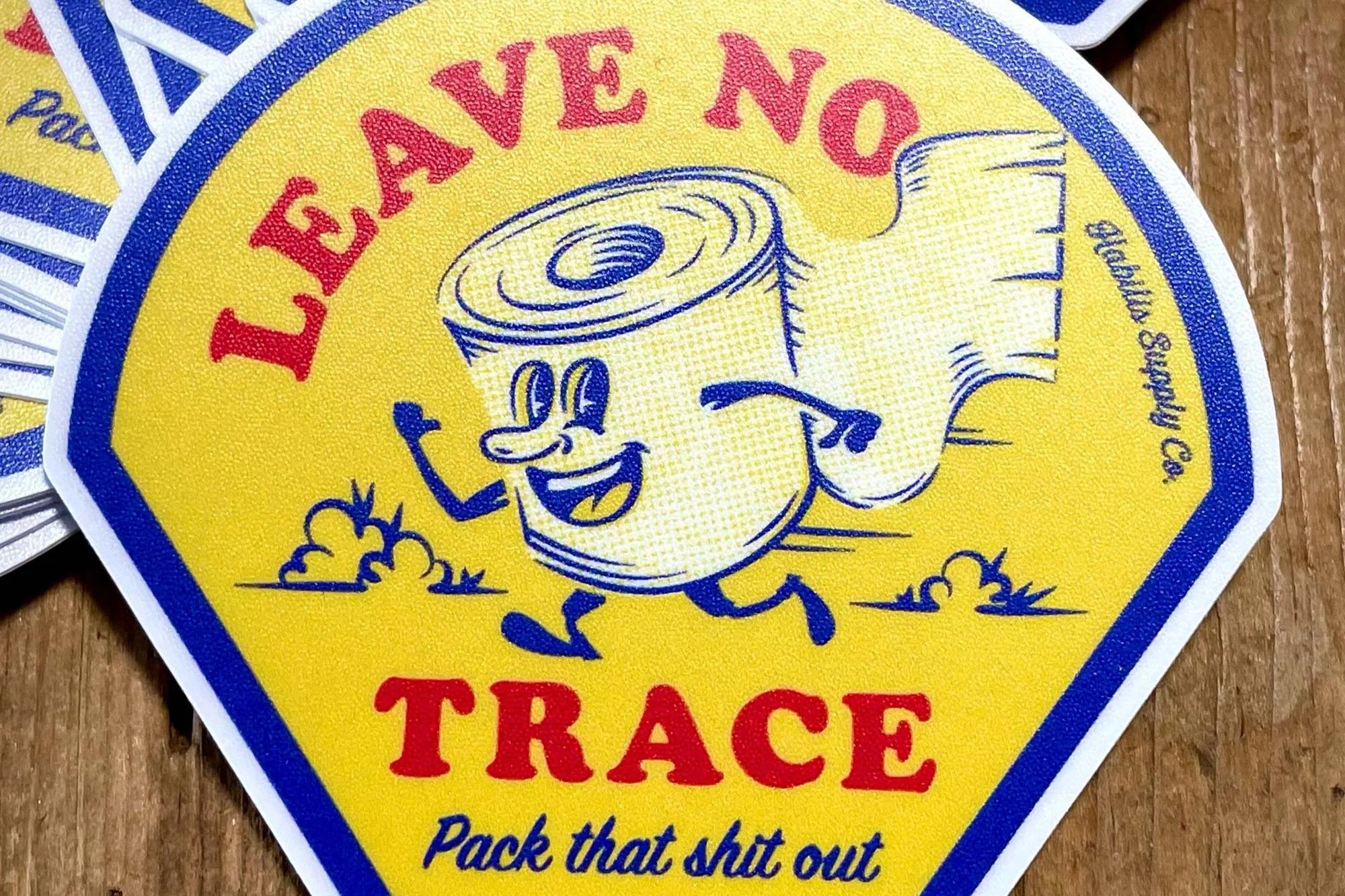
A Brief History of the Leave No Trace Ethic
The roots of Leave No Trace stretch back to the mid-20th century, a time when outdoor recreation was booming in the United States. New gear like lightweight tents and sleeping pads made wilderness travel easier, and national parks saw visitor numbers soar. By the 1960s and 70s, the popularity of hiking, camping, and backpacking was growing fast — and so were the signs of wear on our public lands.
Land managers and conservationists began to notice troubling trends: fragile soil and vegetation trampled by boots, informal campsites carved into pristine landscapes, trash left behind by visitors, and wildlife altered by human behavior. In response, the U.S. Forest Service, the National Park Service, and the Bureau of Land Management collaborated on a pamphlet called “Leave No Trace Land Ethics” in 1987, aimed at teaching people how to minimize their impact on wild places.
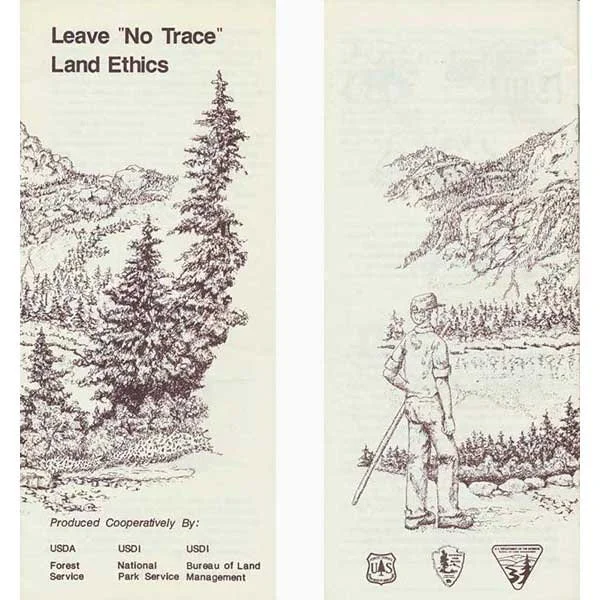
Soon after, outdoor education leaders — including the National Outdoor Leadership School (NOLS) — helped evolve these ideas into a structured, research-based set of practices. By 1994, the Leave No Trace Center for Outdoor Ethics became an independent nonprofit dedicated to spreading these principles far and wide.
Why It Matters — Especially Now
In recent years, outdoor recreation has continued to grow. More people than ever are turning to nature to unplug, recharge, and connect with something bigger than themselves. But with that increased use comes increased impact.
Trails erode. Wildlife becomes habituated to humans. Native plants are disturbed. Water sources are polluted. Everywhere from backcountry wilderness to front-country picnic areas feels the strain.
Practicing Leave No Trace isn’t about following rules for rules’ sake — it’s about protecting the places we love. When we consciously reduce our impact, we help preserve:
Ecosystems and habitat for wildlife,
Scenic beauty that inspires millions,
Cultural and historical artifacts that tell the stories of the past,
Quality recreational experiences for others,
The long-term health of public lands for future visitors.
Being mindful outdoors also reduces the need for restrictive management measures (like access limits) that parks sometimes have to impose when human impact goes unchecked.
Consider this real-world example. Yosemite National Park welcomed 4,285,729 visitors in 2024. Now imagine that just 1 out of every 5 visitors left their orange peels behind — and only 10% of visitors had eaten an orange in the park. Even under that modest scenario, Yosemite could see an estimated 7,000–12,000 pounds of orange peels accumulating in a single year. That’s roughly 4 to 6 tons of biodegradable waste scattered across trails, meadows, and scenic overlooks.
And that’s just one small item — one simple snack. Orange peels don’t magically disappear overnight. In alpine or arid environments, they can take months to break down, attract wildlife to human areas, and alter natural feeding patterns. Multiply that impact across millions of park visitors, and it becomes clear: small individual actions scale quickly. What feels insignificant in your hand can become literal tons on the landscape.
Visitation data taken from:
The 7 Core Principles
The Leave No Trace philosophy is expressed through seven core principles — a widely accepted framework for low-impact outdoor recreation. These principles apply everywhere: from rugged wilderness to neighborhood green spaces.
1. Plan Ahead and Prepare
A little planning goes a long way toward protecting the places we love. Check weather conditions, understand local regulations, bring the right gear, and know your route before you head out. Good preparation helps prevent situations that can lead to unnecessary damage, rescues, or impacts on the landscape.
2. Travel and Camp on Durable Surfaces
Whenever possible, stay on established trails and camp in designated sites or on durable surfaces like rock, gravel, or dry ground. Cutting switchbacks or creating new campsites may seem harmless in the moment, but repeated use can permanently damage fragile vegetation and create lasting scars on the landscape.
3. Dispose of Waste Properly
The simplest rule is also one of the most important: pack out everything you pack in. Food scraps, fruit peels, tissues, and other waste don't disappear as quickly as many people think—and they can attract wildlife or alter natural ecosystems. Leave your campsite cleaner than you found it whenever possible.
4. Leave What You Find
Wildflowers, rocks, antlers, arrowheads, and other natural or cultural objects help tell the story of a place. Leave them where they are so others can experience the same sense of discovery. Take photographs and memories instead of souvenirs.
5. Minimize Campfire Impacts
A campfire can be one of the most memorable parts of a trip, but it isn't always the best choice. Follow local fire restrictions, use established fire rings when available, and keep fires small. In many places, a lightweight camp stove is the safer and more responsible option, especially during fire season.
6. Respect Wildlife
Wild animals thrive when they remain wild. Observe wildlife from a distance, never feed them, and store food securely. Even well-intentioned interactions can change an animal's natural behavior and create long-term problems for both wildlife and future visitors.
7. Be Considerate of Other Visitors
Everyone heads outdoors for their own reasons—whether it's solitude, adventure, or simply a quiet walk. Keep noise to a minimum, yield appropriately on the trail, control pets where permitted, and help preserve the sense of peace that makes these places so special. Courtesy is part of good stewardship.
5 Easy Ways You Can Practice Leave No Trace in the Parks
Here are five simple steps every park visitor can take to honor the Leave No Trace ethic — and help protect wild places:
1. Pack Out All Trash
Even biodegradable items (like orange peels or food scraps) can harm wildlife and disrupt ecosystems. What you carry in must come out.
2. Stick to Durable Surfaces
Walk on established trails, and set up camp only in designated areas to avoid trampling plants and creating unwanted paths.
3. Respect Wildlife at a Distance
Observe animals quietly from afar. Don’t feed them — it alters their natural behavior and can put them in danger.
4. Leave Natural and Cultural Objects as You Find Them
Rocks, flowers, artifacts — when we preserve the landscape as we found it, others can enjoy discovery too.
5. Use a Stove Instead of Fire
Campfires can scar landscapes and deplete wood resources. Lightweight stoves are a safer, less impactful way to cook outdoors.
Final Thoughts
Leave No Trace isn’t about perfection — it’s about progress, awareness, and respect. Every choice we make outdoors matters. Whether it’s picking up a wrapper on a trail, using a reusable water bottle, or not tossing that bit of orange peel off the side of the trail, we’re making a conscious decision to protect the natural world.
By embracing this philosophy, we become stewards — not just visitors — of the places that give us so much joy, peace, and inspiration.
🌿 Leave only footprints. Take only memories.
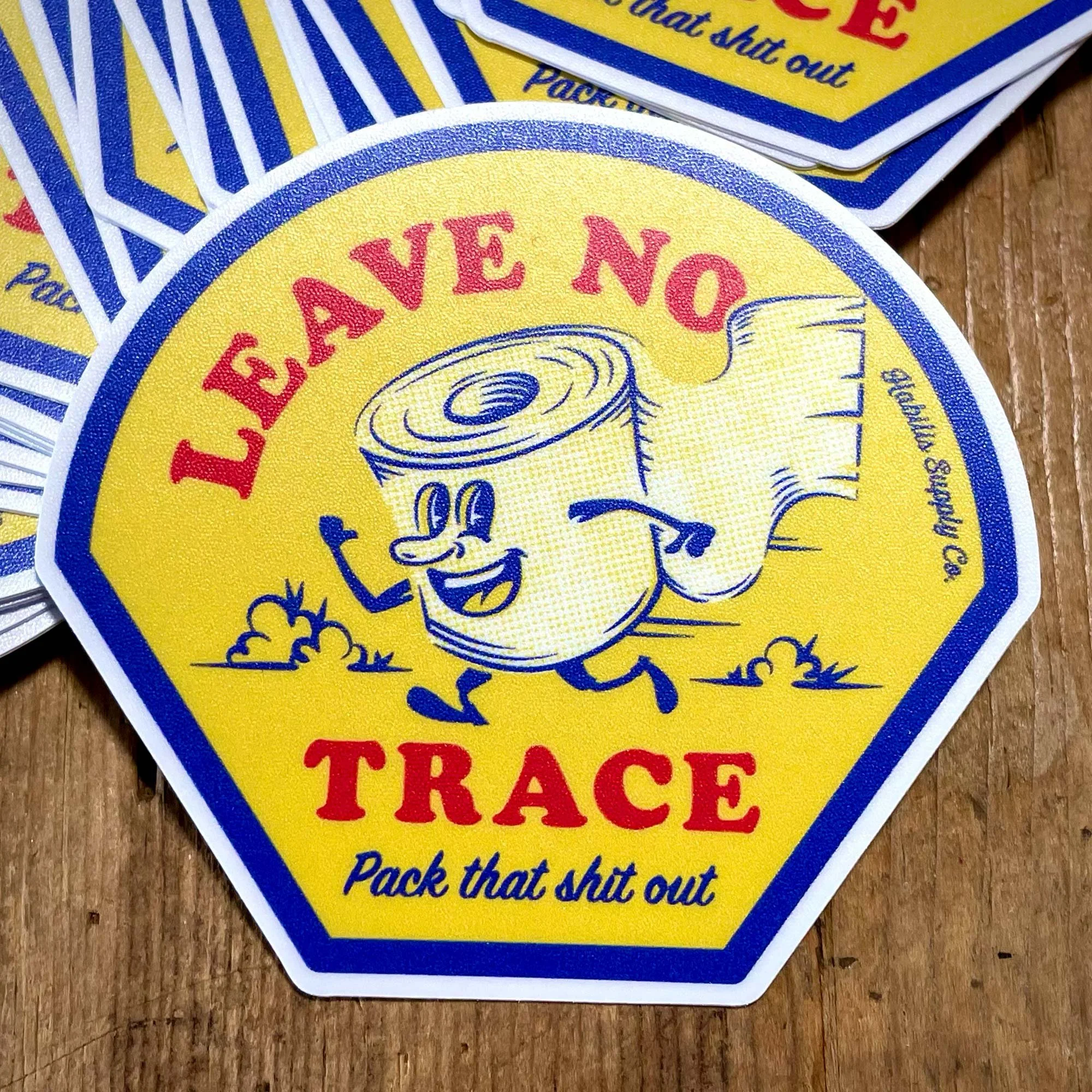
LEAVE NO TRACE · OUTDOOR ETHICS · PROTECT OUR PARKSA simple reminder that every wild place deserves our respect. Featuring original Habilis artwork inspired by the principles of Leave No Trace, this durable vinyl sticker celebrates responsible adventure while encouraging the next journey outdoors. Whether it's on your water bottle, cooler, laptop, or camp gear, it's a small way to carry the values of the outdoors into everyday life.
Made from premium weather-resistant vinyl, this sticker is built to withstand life on the trail and daily use alike. It's designed for hikers, campers, climbers, and anyone who believes the best adventures begin with protecting the places that inspire them—because Everyday Outdoor Living starts with caring for the outdoors wherever you go.
PRODUCT DETAILS
MATERIAL Vinyl
SIZE 3” x 2.75”
FINISH Matte
USE Indoor / Outdoor
MADE USA