What to Wear to National Parks (A Practical + Timeless Guide)
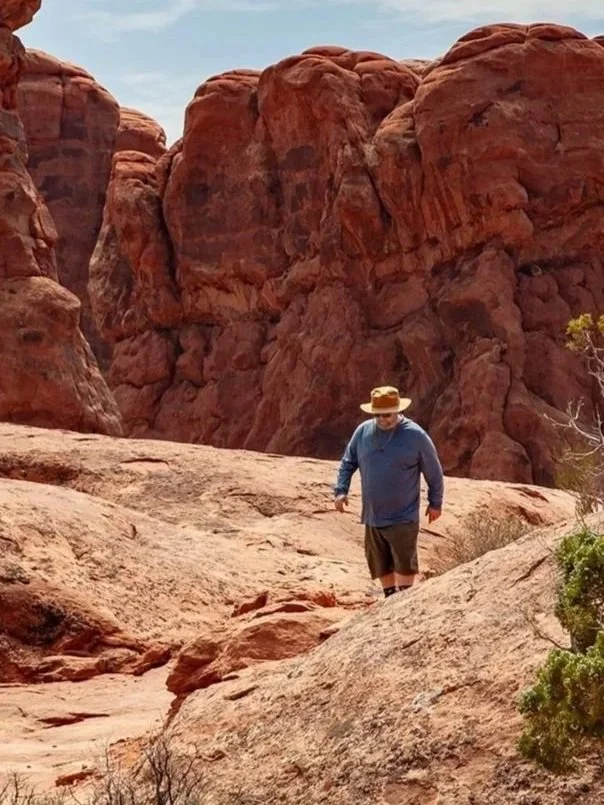
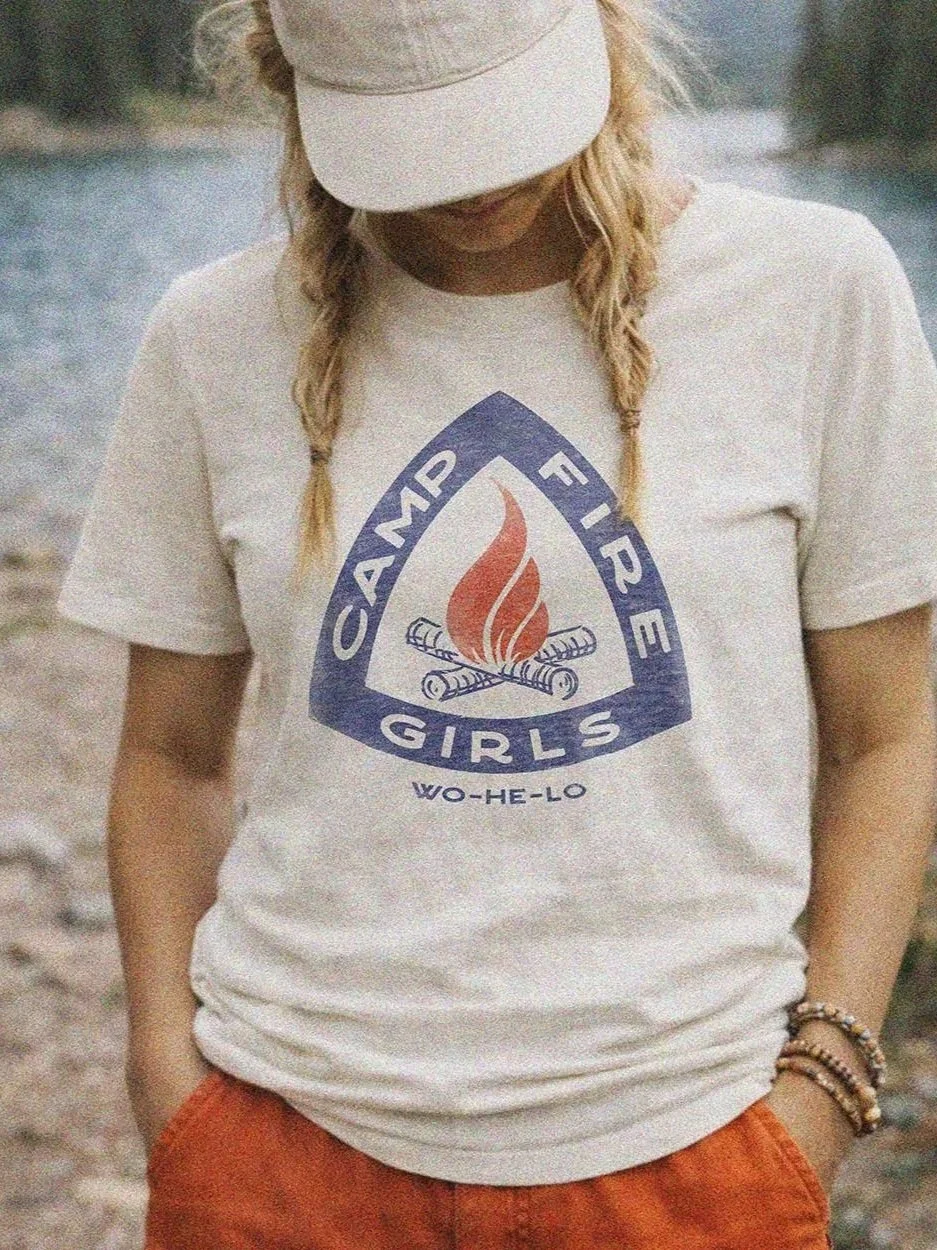
What you wear in national parks doesn’t need to be complicated—but it should be intentional.
Whether you’re hiking in the desert, exploring alpine trails, or road-tripping through multiple parks, the goal is the same: stay comfortable, adaptable, and ready for changing conditions—without overpacking.
This guide breaks down a simple, reliable approach to dressing for national parks, built around pieces you’ll actually want to wear both on and off the trail.
Start with a Strong Base Layer
Your base layer does most of the work.
What to look for:
Breathable fabric
Comfortable fit (not too tight, not oversized)
Versatility
A well-fitting tee is the easiest starting point—it works for hiking, travel days, and everything in between.
Most of the designs I create are built around that idea: simple, durable tees inspired by the places you’re exploring, designed to move easily between trail and everyday wear.
Layering is Everything
Conditions change fast in most parks, especially with elevation.
Simple layering system:
Base: T-shirt
Mid-layer: Light fleece or long sleeve
Outer layer: Windbreaker or insulated jacket
This setup works almost anywhere—from Yosemite National Park to Zion National Park.
Bottoms: Keep It Functional
Lightweight hiking shorts or pants
Stretch and mobility matter more than style
Neutral colors pair best with everything
Footwear Matters More Than Anything
You don’t need heavy boots for every trip.
General rule:
Easy trails → trail runners or sneakers
Rough terrain → hiking shoes/boots
Comfort > everything else.
Don’t Skip a Hat
A hat is one of the simplest upgrades you can make to your setup—and one of the most overlooked.
Why it matters:
Sun protection (especially in desert parks like Joshua Tree or the Grand Canyon)
Temperature control
All-day comfort
It’s also one of those pieces that pulls everything together. A simple, well-worn cap or hat adds just enough character without overcomplicating your setup.
If you’re building a kit that works across different parks, this is one item you’ll use on almost every trip.
Don’t Overpack
One of the most common mistakes is bringing too much.
Simple checklist:
2–3 tees
1 mid-layer
1 outer layer
1–2 bottoms
1 Hat
That’s enough for most trips.
Dress for the Environment
Different parks = different conditions:
Desert (e.g., Joshua Tree National Park) → sun protection, lighter fabrics
Alpine (e.g., Rocky Mountain National Park) → layers, temperature swings
Forest/coastal → moisture + wind protection
Style vs Function (You Don’t Have to Choose)
You don’t need a completely separate “hiking wardrobe.”
The best setup is:
Functional enough for the trail
Clean and simple enough for everyday wear
That’s the idea behind a more minimal, outdoors-inspired approach—gear that works wherever you are.
Build Your Kit Over Time
You don’t need everything at once.
Start with:
A reliable tee
A solid layering system
Comfortable shoes
Hat
Then build from there.
Final Thoughts
What you wear in national parks should make your trip easier—not more complicated.
Keep it simple, focus on comfort, and choose pieces you’ll actually want to wear again.
If you’re planning a specific trip, you can also check out our individual park guides—like Yosemite or the Grand Canyon—for more detailed packing recommendations based on location.