The Complete Guide to Hiking Half Dome in Yosemite National Park
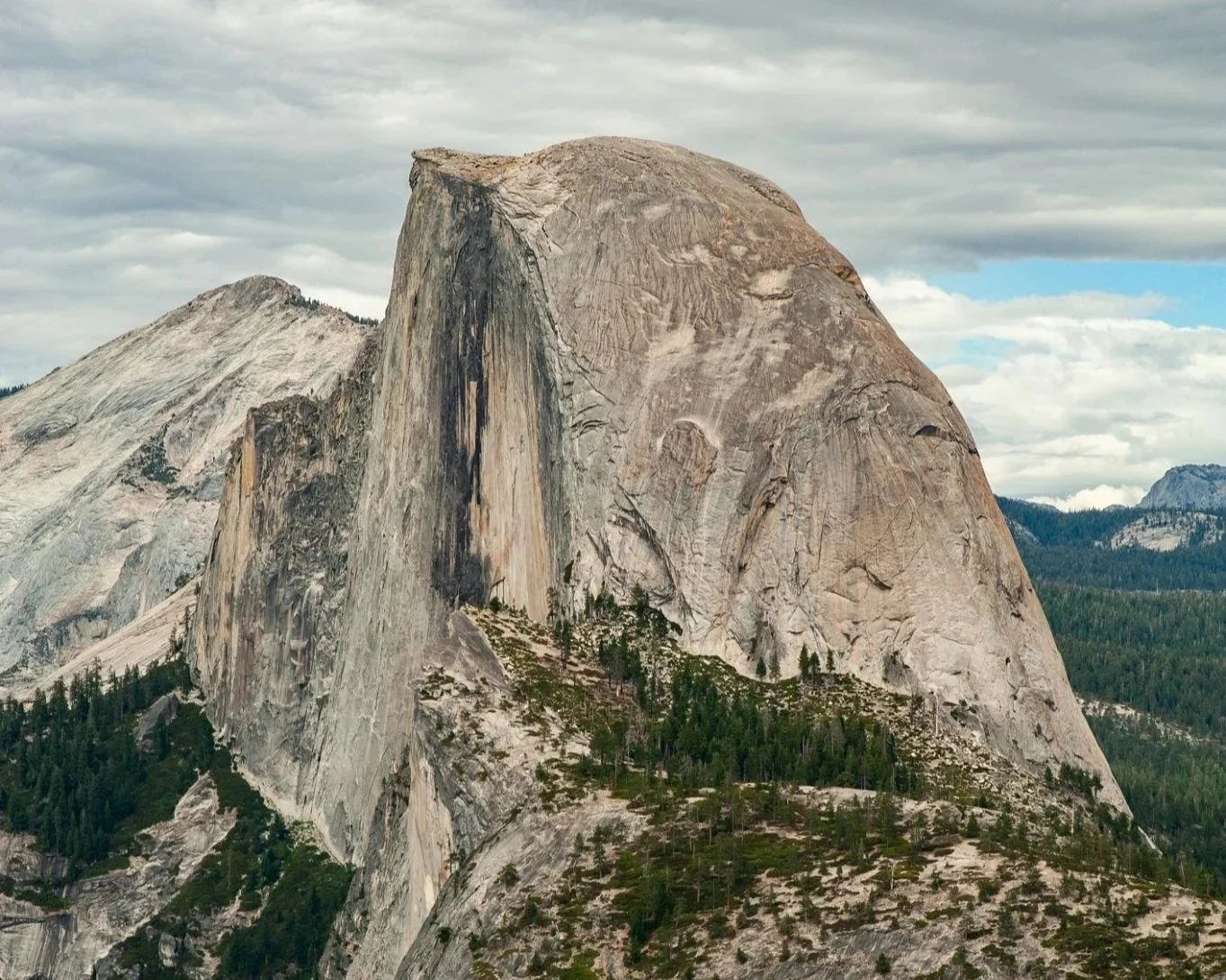
Distance: 14–16 miles round trip. Elevation gain: ~5,000 feet. Permit Required: Yes. Average Hike Time: 10-12 hrs. Difficulty: Strenuous.
Table of Contents:
Quick Facts About the Half Dome Hike
Best Time to Hike Half Dome
Half Dome Permit Strategy: How to Get a Permit
Trailhead and Parking Information
Half Dome Trail Overview
Half Dome Tips & Safety Info
Where to Stay & Eat
Final Thoughts
FAQs
Why Half Dome Is One of America’s Most Iconic Hikes
Hiking Half Dome in Yosemite National Park is one of the most legendary adventures in the American outdoors. Rising nearly 5,000 feet above Yosemite Valley, the granite summit offers panoramic views of the Sierra Nevada and a thrilling climb up the famous cable route. For many hikers, reaching the top of Half Dome is a true bucket-list achievement.
This guide will walk you through everything you need to know before attempting the hike, including permits, the best time to go, training tips, common mistakes, and the best places to stay and eat near Yosemite.
Planning a California trip? Check out our Yosemite guide
Half Dome stands at 8,836 feet and dominates the eastern end of Yosemite Valley. The hike is famous for its dramatic final section: a steep ascent up polished granite using steel cables anchored into the rock.
Highlights of the hike include:
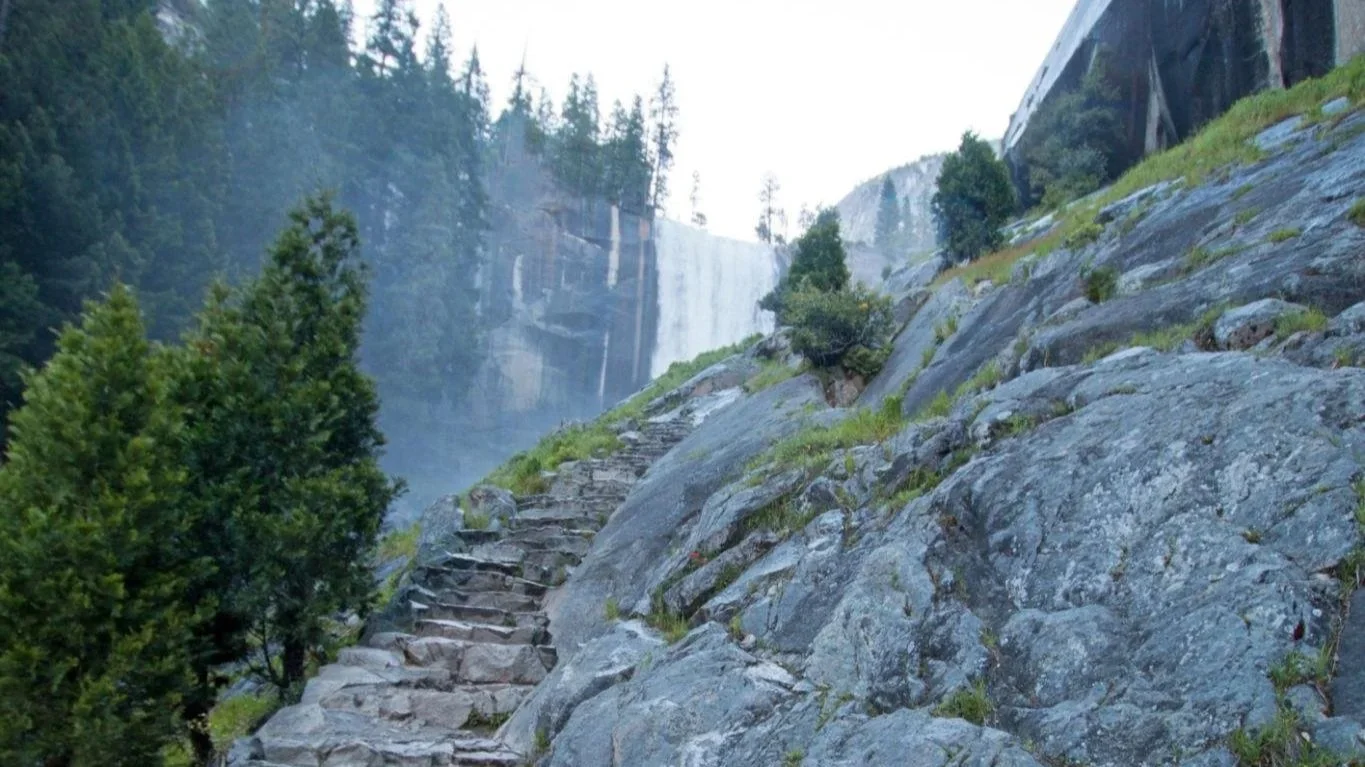
• Hiking the Mist Trail past Vernal Fall and Nevada Fall
• Spectacular views of Yosemite Valley and the High Sierra
• Climbing the famous Half Dome cables
• Standing on one of the most recognizable summits in the National Park system
Looking for Yosemite or Half Dome inspired artwork? Explore our Sierra Collection.
When Is the Best Time to Hike Half Dome?
The cables on Half Dome are only installed seasonally. Typically they are in place: Late May through mid-October The exact timing depends on snowpack and weather.
Best Months to Go
June
Waterfalls are at peak flow
Long daylight hours
Cooler temperatures
September
Smaller crowds
Comfortable hiking weather
Higher chance of winning a permit
July–August
Most reliable weather
Most crowded season
Early season hikers should always check cable status before traveling. Permit and cable status updates: https://www.nps.gov/yose/planyourvisit/halfdome.htm
How to Get a Half Dome Permit
Because the hike is so popular, permits are required to climb the cables.
The National Park Service limits the cables to roughly 300 hikers per day.
Apply for the Preseason Lottery
The majority of Half Dome permits are distributed through Yosemite's preseason lottery. Each March, hikers can apply for permits through the official Recreation.gov Half Dome permit page.
Helpful Resources:
Half Dome Permit Lottery: https://www.recreation.gov/permits/234652
National Park Service Half Dome Permit Information: https://www.nps.gov/yose/planyourvisit/hdpermits.htm
The preseason lottery application window runs from March 1 through March 31, with results typically announced in mid-April. During the preseason lottery, 225 permits are available each day that the cables are up. Applicants can request multiple dates, and having flexible travel plans can significantly improve your chances of success.
Use the Daily Lottery
Didn't get a permit through the preseason lottery? Don't cancel your trip.
A smaller number of permits are released through a daily lottery system based on cancellations and unused reservations. Applications are submitted two days before your desired hiking date, and winners are typically notified later that evening. For example, if you'd like to hike on Saturday, you'll submit your application on Thursday. Many hikers successfully obtain permits through this system every season.
Hike Midweek for Better Odds
If your schedule allows, target a Tuesday, Wednesday, or Thursday hike. Weekend dates tend to attract the highest demand, while midweek dates often see fewer applicants. The National Park Service publishes permit lottery statistics that can help you identify historically less competitive dates: https://www.nps.gov/yose/planyourvisit/hdpermitsapps.htm While past results don't guarantee future success, they can help you make a more informed decision when selecting dates.
Backpacking Permits Can Be Another Option
If you're planning an overnight trip in Yosemite's backcountry, you may be able to access Half Dome through a wilderness permit rather than the standard day-hike lottery.
For current wilderness permit information, visit: https://www.nps.gov/yose/planyourvisit/wildpermits.htm
This option is best suited for experienced backpackers who want to combine Half Dome with a multi-day Yosemite adventure.
What If You Don't Get a Permit?
Even without a Half Dome permit, Yosemite offers no shortage of incredible hikes. Clouds Rest is often considered one of the best viewpoints in the park, while the Mist Trail, Panorama Trail, and Glacier Point provide unforgettable Yosemite experiences without requiring a Half Dome cable permit.
If Half Dome is your primary goal, remain flexible with your dates and continue checking permit availability. Many hikers secure permits through the daily lottery after missing out during the preseason drawing.
Trailhead & Parking Information
The Half Dome hike begins at the Happy Isles Trailhead in Yosemite Valley, the same starting point used for the Mist Trail and John Muir Trail. Most hikers begin their day well before sunrise, making parking logistics an important part of trip planning.
Happy Isles Trailhead
The official trailhead is located near Happy Isles at the eastern end of Yosemite Valley. From here, hikers follow the Mist Trail or John Muir Trail past Vernal Fall and Nevada Fall before continuing toward Little Yosemite Valley, Sub Dome, and eventually Half Dome.
Where to Park
Parking is not available directly at the Happy Isles Trailhead. Most hikers park in one of the designated Yosemite Valley day-use parking areas and use the free Yosemite Valley Shuttle to reach the trailhead.
Popular parking areas include:
Trailhead Parking near Curry Village
Yosemite Village Parking
Yosemite Falls Parking Area (additional walking or shuttle required)
During peak season, parking lots often fill before sunrise. If you're planning to hike Half Dome, it's a good idea to arrive early or stay overnight in Yosemite Valley the night before your hike.
Using the Yosemite Shuttle
The free Yosemite Valley Shuttle provides access to Happy Isles during the main visitor season. Shuttle routes and schedules can change throughout the year, so check current operations before your trip.
For hikers staying at Curry Village, Housekeeping Camp, Yosemite Valley Lodge, or nearby campgrounds, walking to the trailhead is often the easiest option.
Early Morning Start Recommendation
Most hikers begin the Half Dome hike between 4:00 and 6:00 a.m. Starting early helps you avoid midday heat, reduces time spent waiting at the cables, and increases the likelihood of returning before afternoon thunderstorms develop. An early start also makes parking significantly easier, especially during summer weekends when Yosemite Valley sees its highest visitation numbers.
GPS Navigation
For navigation purposes, search for:
Happy Isles Trailhead
Yosemite National Park, California
Cell service is limited throughout much of Yosemite Valley, so download maps and directions before arriving in the park.
Exploring more of the Sierra after your hike? Browse our Sierra Collection for designs inspired by Yosemite and Mammoth Lakes.
Half Dome Trail Overview
The Half Dome hike is one of the most challenging and rewarding day hikes in Yosemite National Park. Beginning at the Happy Isles Trailhead in Yosemite Valley, the route climbs through some of the park's most iconic scenery before reaching the summit of Half Dome at 8,839 feet. Most hikers complete the journey as a 14 to 16-mile round-trip hike, gaining approximately 4,800 feet of elevation along the way. Depending on fitness level, trail conditions, and crowd levels at the cables, expect the hike to take anywhere from 10 to 14 hours.
The first section of the trail follows the Mist Trail or John Muir Trail, climbing past Vernal Fall and Nevada Fall. From there, the route continues through the forests surrounding Little Yosemite Valley before beginning the steep ascent to Sub Dome.
Sub Dome serves as the final approach to Half Dome and provides sweeping views of Yosemite's high country. After reaching the permit checkpoint, hikers tackle the famous cable route—a steep granite slope equipped with steel cables that lead to the summit.
While the cables receive most of the attention, many hikers are surprised to learn that the majority of the challenge comes from the overall distance and elevation gain. By the time you reach the cables, you'll have already completed nearly seven miles of hiking and climbed thousands of feet.
Those who reach the summit are rewarded with one of the most spectacular views in the Sierra Nevada. From the top of Half Dome, you'll enjoy panoramic views of Yosemite Valley, Clouds Rest, Liberty Cap, Nevada Fall, and the surrounding granite peaks that define Yosemite National Park.
Continue Exploring Yosemite
Tips to Make Your Half Dome Hike Better
Start Early
Many experienced hikers begin between 4:00 AM and 5:00 AM.
Benefits:
• Avoid heat
• Beat crowds at the cables
• Reduce risk of afternoon thunderstorms
An early start is one of the best ways to improve your overall experience.
Bring Plenty of Water
Half Dome is a long and exposed hike. We recommended 3–4 liters of water per person. You can filter water from streams along the trail, but always carry enough to reach the summit.
Bring Gloves for the Cables
The cables can be rough on bare hands.
Bring:
• Work gloves
• Climbing gloves
• Good traction hiking shoes
These small items make a huge difference on the final climb.
Train Before Your Trip
Half Dome is physically demanding.
Training ideas:
• Long hikes with elevation gain
• Stair climbing workouts
• Leg strength training
The Sub Dome staircase alone can feel brutal if you're not prepared.
Common Mistakes to Avoid
Starting Too Late - Late starts often lead to long waits at the cables and hiking in the dark.
Not Checking the Weather - Never climb the cables if:
• Rain is expected
• Granite is wet - Wet granite becomes extremely slippery.
• Thunderstorms are approaching
Underestimating the Distance - Many hikers assume the cables are the hardest part, but most fatigue actually hits during the Sub Dome climb just before the cables.
Where to Stay & Eat
If you want an early start, staying close to Yosemite Valley is ideal.
Inside Yosemite
Yosemite Valley Lodge
Closest full-service hotel to the trailhead.
Curry Village
Popular cabins and tent accommodations.
Upper Pines Campground
Best campground location for Half Dome hikers.
Outside the Park
El Portal
About 30 minutes from Yosemite Valley.
Mariposa
Affordable hotels and restaurants about an hour away.
Best Places to Eat After Your Hike
After a 15-mile hike, a good meal hits differently.
Best options:
Mountain Room Restaurant
Classic Yosemite dining with views of Yosemite Falls.
Base Camp Eatery
Casual and convenient.
Curry Village Pizza Deck
A Yosemite tradition among hikers.
After the Hike: A Yosemite Memory Worth Keeping
Reaching the summit of Half Dome is something you’ll remember for the rest of your life. Many hikers like to bring home a small reminder of the experience—whether it’s a photo, a trail map, or something that captures the spirit of Yosemite.
If you’re looking for a souvenir that reflects the adventure, you can explore our illustrated Yosemite-inspired apparel and artwork, designed as keepsakes for people who love the parks.
Explore Yosemite gear here:
https://www.habilissupplyco.com
Final Thoughts
Half Dome is more than a hike—it’s a true Yosemite adventure.
From misty waterfalls and towering granite walls to the adrenaline rush of the cable climb, every section of the trail builds toward one of the most rewarding summit views in the national parks.
With the right preparation, an early start, and a little luck in the permit lottery, hiking Half Dome can easily become the highlight of any trip to Yosemite.
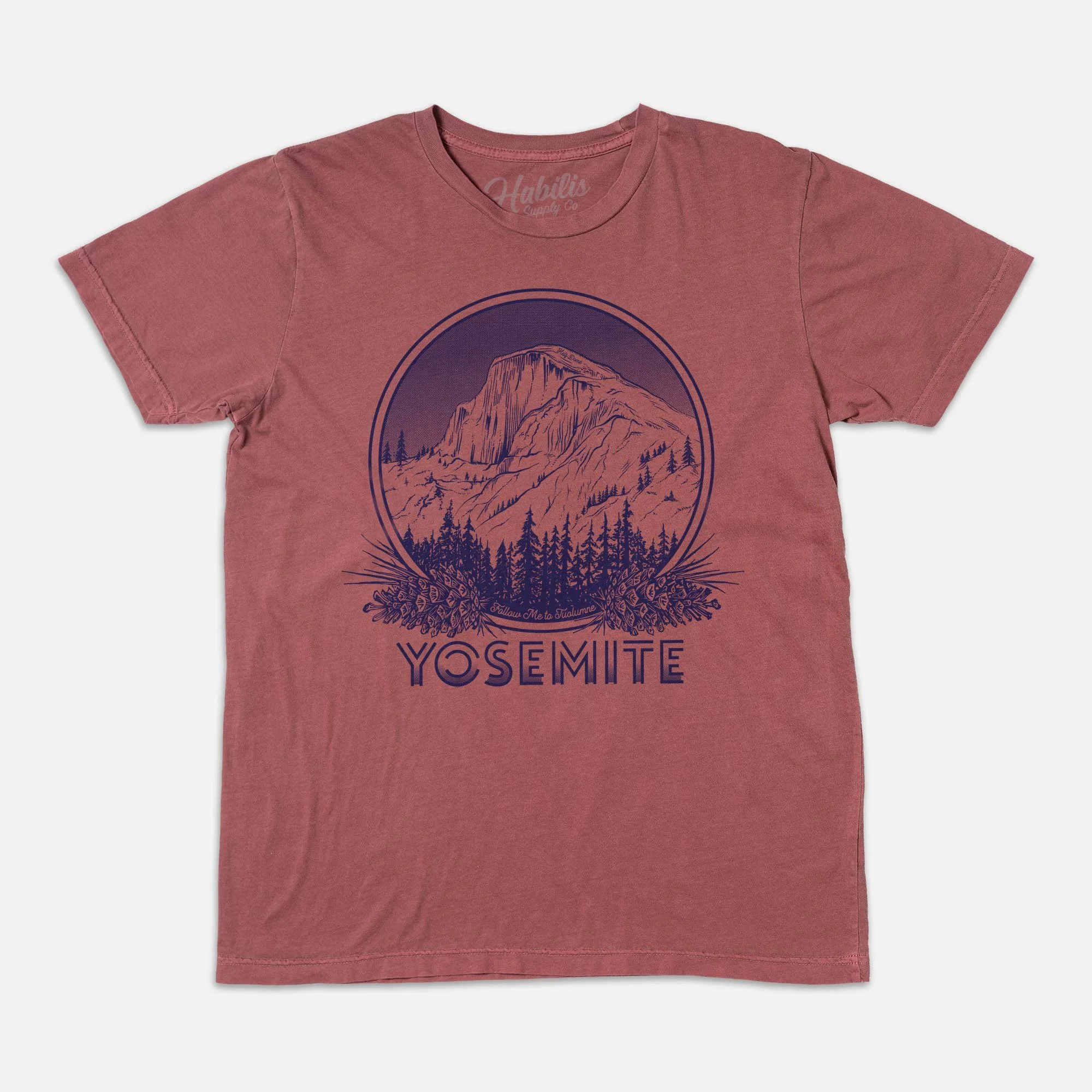
Inspired by the iconic granite walls of Yosemite, this design captures the quiet scale and timeless feel of the Sierra. The circular composition frames Half Dome with layered pine forests, giving it a classic, heritage park aesthetic that feels equally at home on the trail or in town.
Printed on a soft, garment-dyed tee in a faded brick tone, this piece has a broken-in feel from day one. The vintage wash and subtle texture give it that worn, well-traveled look—like something you’ve had for years.
Easy to wear, easy to layer, and built for everyday use—whether you’re heading into the mountains or just carrying a bit of them with you.
Planning a trip? Read our Ultimate Yosemite Travel Guide for trails, viewpoints, and tips before you go.
Details
Garment-dyed for a soft, vintage feel
100% Midweight cotton with a relaxed, everyday fit
Made in the USA
Durable print with a slightly worn-in look over time
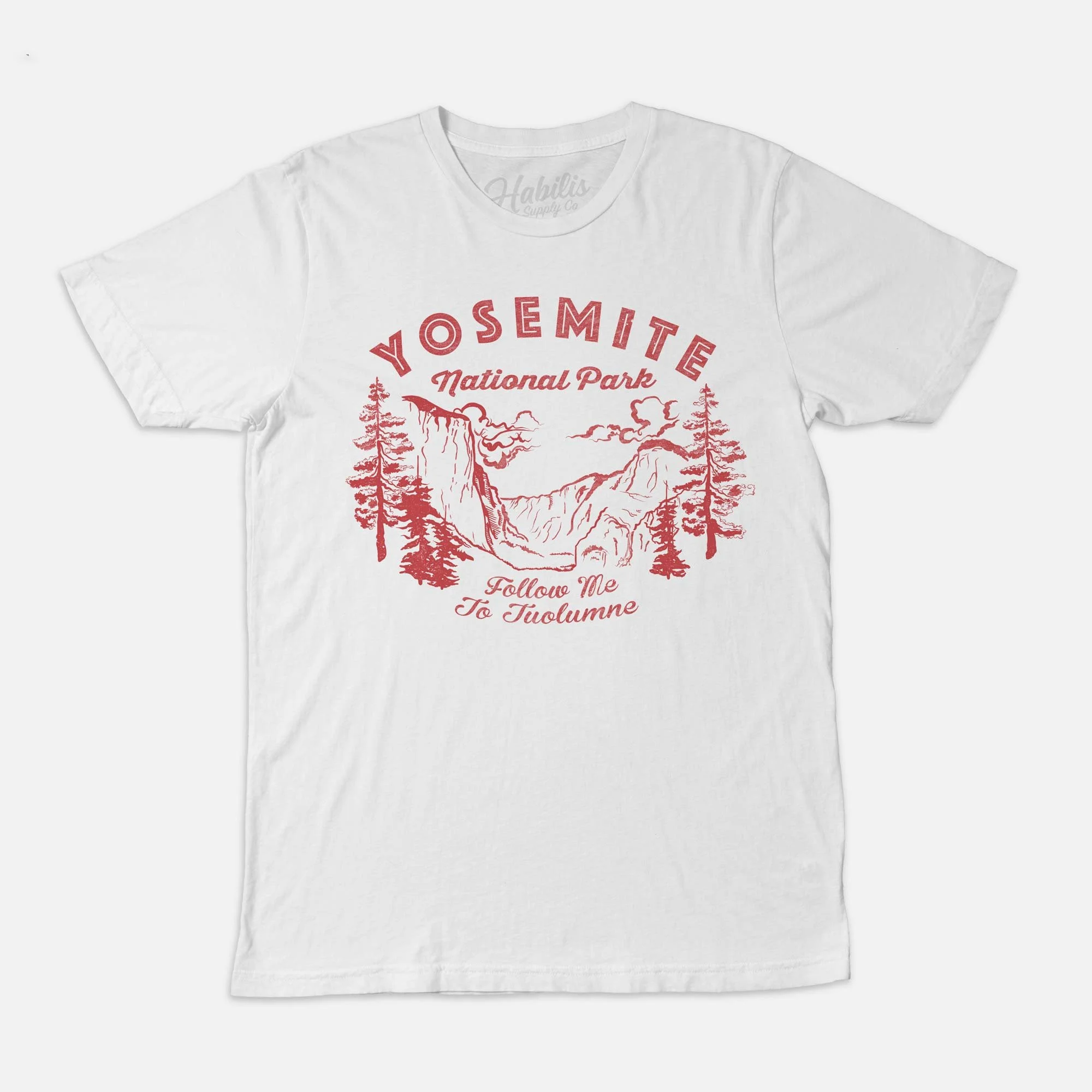
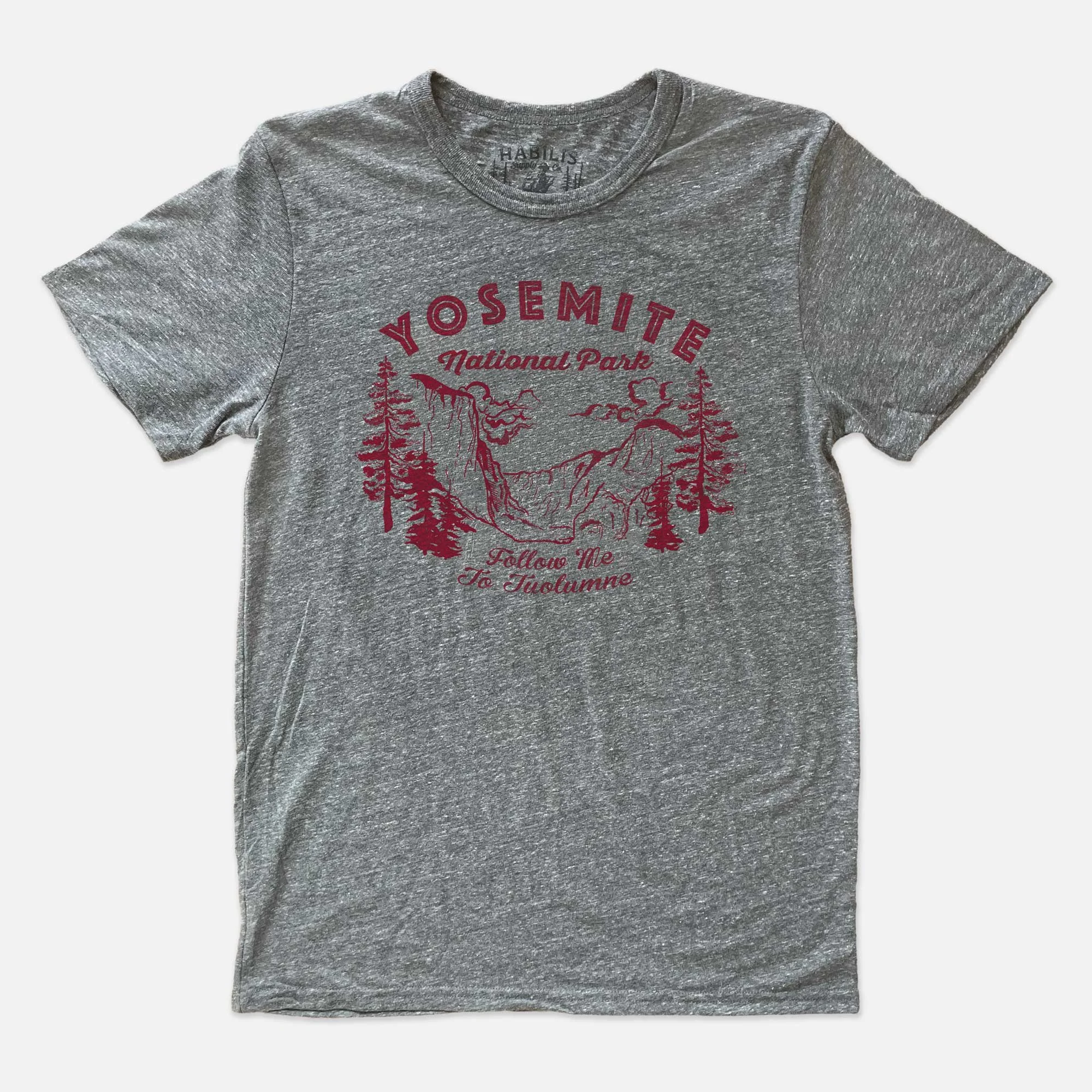
A vintage-inspired Yosemite National Park t-shirt featuring a classic alpine landscape with towering granite cliffs and pine-lined valleys. Designed with timeless typography and a single-color graphic, this tee captures the quiet beauty of California’s most iconic park. Built for the trail and everyday wear, it’s a go-to piece for hikers, travelers, and Yosemite enthusiasts.
Planning a trip? Read our Ultimate Yosemite Travel Guide for trails, viewpoints, and tips before you go.
Product Details
Garment-dyed for a soft, vintage feel
100% Midweight cotton with a relaxed, everyday fit
Made in the USA
Durable print with a slightly worn-in look over time
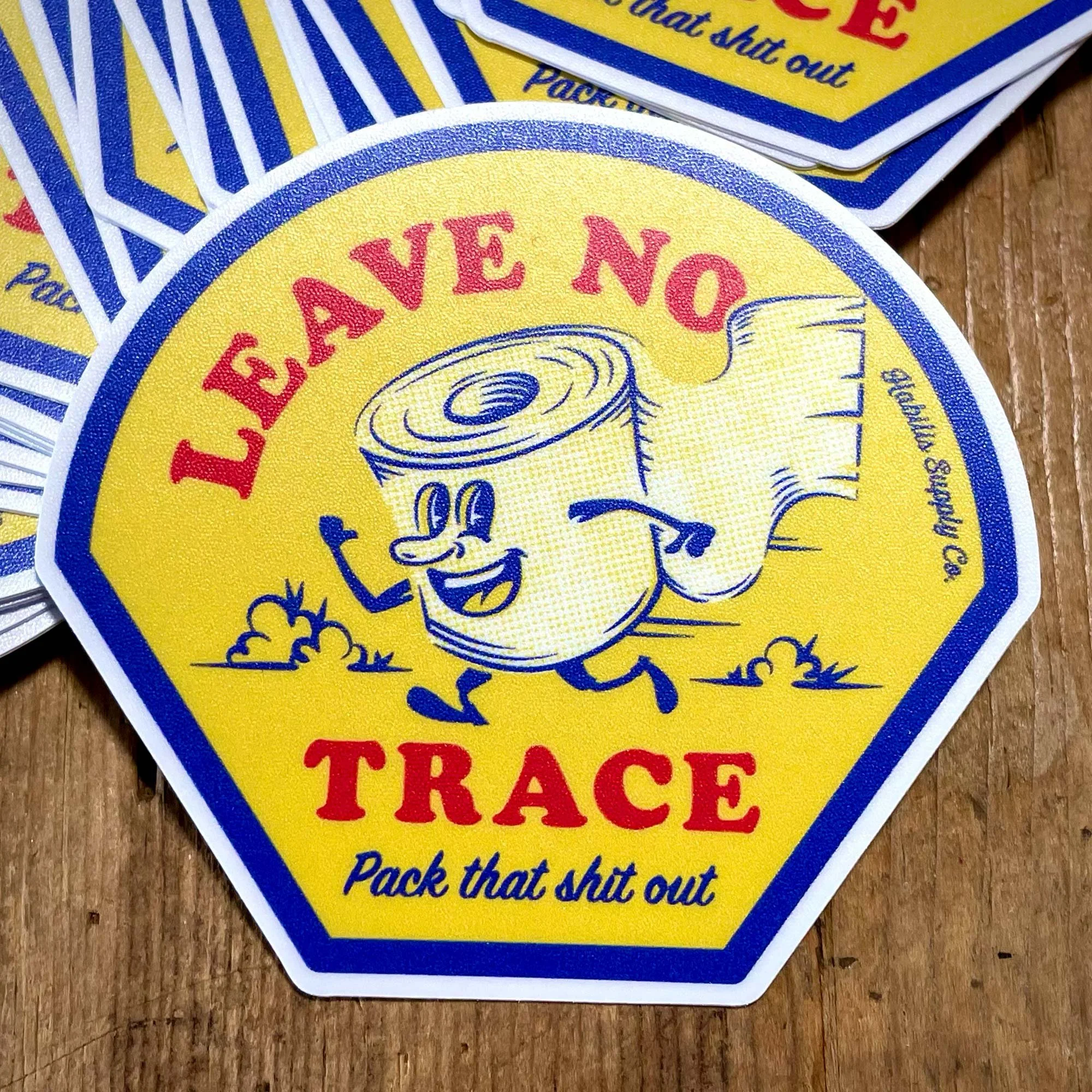
A simple reminder that every wild place deserves our respect. Featuring original Habilis artwork inspired by the principles of Leave No Trace, this durable vinyl sticker celebrates responsible adventure while encouraging the next journey outdoors. Whether it's on your water bottle, cooler, laptop, or camp gear, it's a small way to carry the values of the outdoors into everyday life.
Made from premium weather-resistant vinyl, this sticker is built to withstand life on the trail and daily use alike. It's designed for hikers, campers, climbers, and anyone who believes the best adventures begin with protecting the places that inspire them—because Everyday Outdoor Living starts with caring for the outdoors wherever you go.
Product Details
Size 3”x2.75”
Premium weather-resistant vinyl
Durable laminate protects against water, scratches, and UV exposure
Suitable for water bottles, coolers, laptops, vehicles, and outdoor gear
Made to last indoors and outdoors
Half Dome Hiking FAQ
How hard is the Half Dome hike?
The Half Dome hike is considered very strenuous. The round-trip distance is roughly 14–16 miles with about 4,800–5,000 feet of elevation gain. Most hikers take 10–12 hours to complete the full route. The most physically demanding sections are the Sub Dome staircase and the final cable climb, which require both endurance and a comfort with steep exposure. With proper preparation, many reasonably fit hikers can complete the hike successfully.
Do you need a permit to hike Half Dome?
Yes. A permit is required to climb the Half Dome cables when they are installed. The National Park Service limits the cables to roughly 300 hikers per day to protect the trail and manage crowding.
You can apply through:
• The preseason lottery in March
• The daily lottery two days before your hike
Permit applications are submitted here:
https://www.recreation.gov/permits/234652
How long does it take to hike Half Dome?
Most hikers take 10–12 hours round trip.
Typical breakdown:
• 5–6 hours to reach the summit
• 4–6 hours to descend
Very experienced hikers may complete the hike faster, but most visitors should plan for a full-day adventure.
When are the Half Dome cables up?
The cables are typically installed from late May through mid-October. The exact dates change each year depending on snowpack and weather conditions in the Sierra Nevada. Before your trip, always check the official Yosemite page for current cable status:
https://www.nps.gov/yose/planyourvisit/halfdome.htm
What is the best time of day to start the hike?
Most experienced hikers begin between 4:00 AM and 5:00 AM.
Starting early helps you:
• Avoid heat
• Beat crowds on the cables
• Reduce risk of afternoon thunderstorms
Early starts also make it easier to finish the hike before dark.
How much water should you bring for Half Dome?
Most hikers should carry 3–4 liters of water. There are streams along the trail where you can filter additional water, but you should always carry enough to reach the summit safely. Hydration is one of the biggest factors in successfully completing the hike.
Is the Half Dome cable section dangerous?
The cable section is steep but manageable for most hikers who take their time.
The biggest risks occur when:
• Granite is wet
• Thunderstorms are nearby
• Hikers rush or lose footing
Using gloves, wearing good hiking shoes, and climbing slowly while maintaining three points of contact greatly improves safety.
Can beginners hike Half Dome?
Half Dome is not recommended as a beginner hike. However, hikers with good physical fitness and some prior hiking experience can complete it with preparation. Training hikes with elevation gain and long distances will make the experience much more enjoyable.
Is Half Dome harder than other Yosemite hikes?
Yes. Half Dome is significantly more demanding than most hikes in Yosemite Valley.
Compared to other popular hikes:
• Harder than Mist Trail
• Harder than Upper Yosemite Falls Trail
• Similar endurance level to Clouds Rest, but with the added cable climb
What should you pack for the Half Dome hike?
Essential gear includes:
• 3–4 liters of water
• Snacks and high-energy food
• Work gloves for the cables
• Headlamp or flashlight
• Sunscreen and hat
• Hiking shoes with good traction
• Water filter (optional but helpful)
A small daypack is usually enough for the hike.
Are there bathrooms on the Half Dome trail?
Yes, there are composting toilets located at:
• Vernal Fall footbridge
• Little Yosemite Valley
There are no bathrooms beyond Sub Dome or at the summit.
What happens if you don’t win the Half Dome permit lottery?
If you don’t win the preseason lottery, you can still try the daily lottery, which allows hikers to apply two days before their planned hike. Another option is to obtain a wilderness backpacking permit that includes Half Dome access.
Is hiking Half Dome worth it?
For many hikers, Half Dome is one of the most rewarding hikes in the United States. The combination of waterfalls, granite landscapes, and the thrilling cable climb makes it one of Yosemite’s most unforgettable experiences. Standing on the summit with views stretching across Yosemite Valley and the High Sierra is a moment many hikers remember for the rest of their lives.