
The Ultimate Guide to Yosemite National Park
Best Hikes, Hidden Gems, Travel Tips & What to Pack
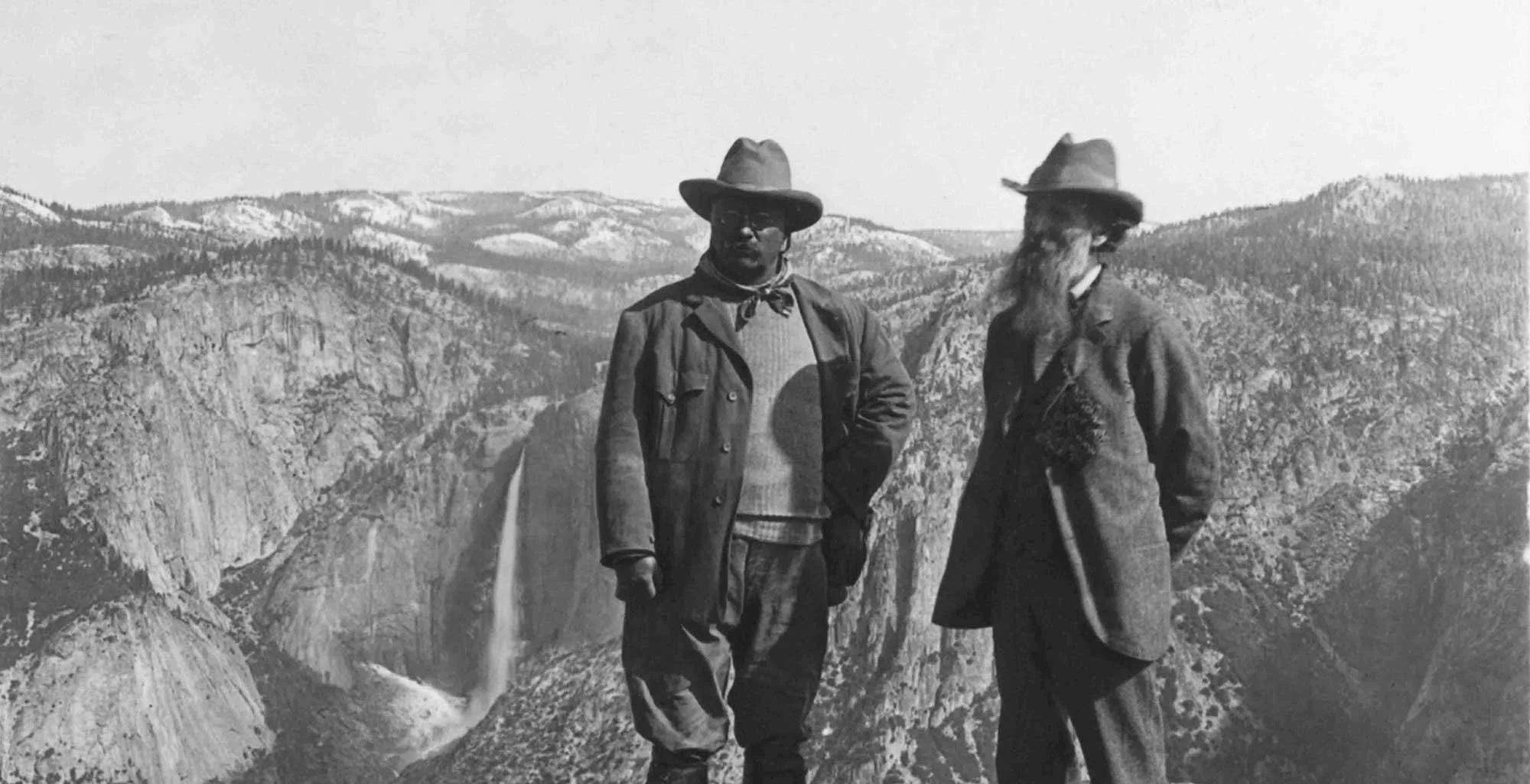
Yosemite is a park of extremes: granite walls rising thousands of feet above the Valley, waterfalls fed by Sierra snowmelt, quiet high-country lakes, giant sequoias, and trails that range from easy meadow walks to full-day climbs.
It can also be a surprisingly complicated place to visit. Yosemite Valley gets crowded, accommodations book far ahead, and some of the park's best areas are accessible only seasonally.
This guide is designed to help you make sense of it—from when to visit and where to stay to the hikes, viewpoints, and quieter corners worth building a trip around.
At a Glance
| Best Overall Time | May–June for waterfalls; September–October for cooler weather and lighter crowds |
| Ideal Trip Length | 3–4 days |
| Best First-Time Base | Yosemite Valley |
| Closest Gateway Towns | Mariposa, Groveland, and Oakhurst |
| Don't Miss | Yosemite Valley, Glacier Point, Mariposa Grove, and Tioga Road / Tuolumne Meadows |
| Advance Planning | Lodging and camping; Half Dome and wilderness permits where applicable |
| 2026 Entrance Reservation | Not required |
Do You Need a Permit to Visit Yosemite?
For 2026, you do not need an advance reservation or permit to enter Yosemite National Park. Permits are still required for certain activities, including Half Dome when the cables are up and overnight wilderness trips. Camping and in-park lodging have separate reservation systems. Because Yosemite's entrance requirements have changed in recent years, check the current National Park Service requirements before your trip.
Planning Half Dome? See our Complete Guide to Hiking Half Dome in Yosemite National Park that includes useful links for acquiring permits for this hike.
Why Visit Yosemite National Park?
Yosemite's reputation begins in the Valley, where Half Dome, El Capitan and Yosemite Falls rise dramatically above a relatively compact seven-mile corridor. But the park extends far beyond those famous views. Tioga Road climbs into the high Sierra around Tuolumne Meadows and Tenaya Lake, while the southern end of the park protects the giant sequoias of Mariposa Grove.
That range is what makes Yosemite worth more than a quick stop. Spend a few days here and the experience can shift from crowded Valley viewpoints to granite domes, alpine lakes and surprisingly quiet stretches of trail.
Best Time to Visit Yosemite
Spring: Waterfalls at Their Peak
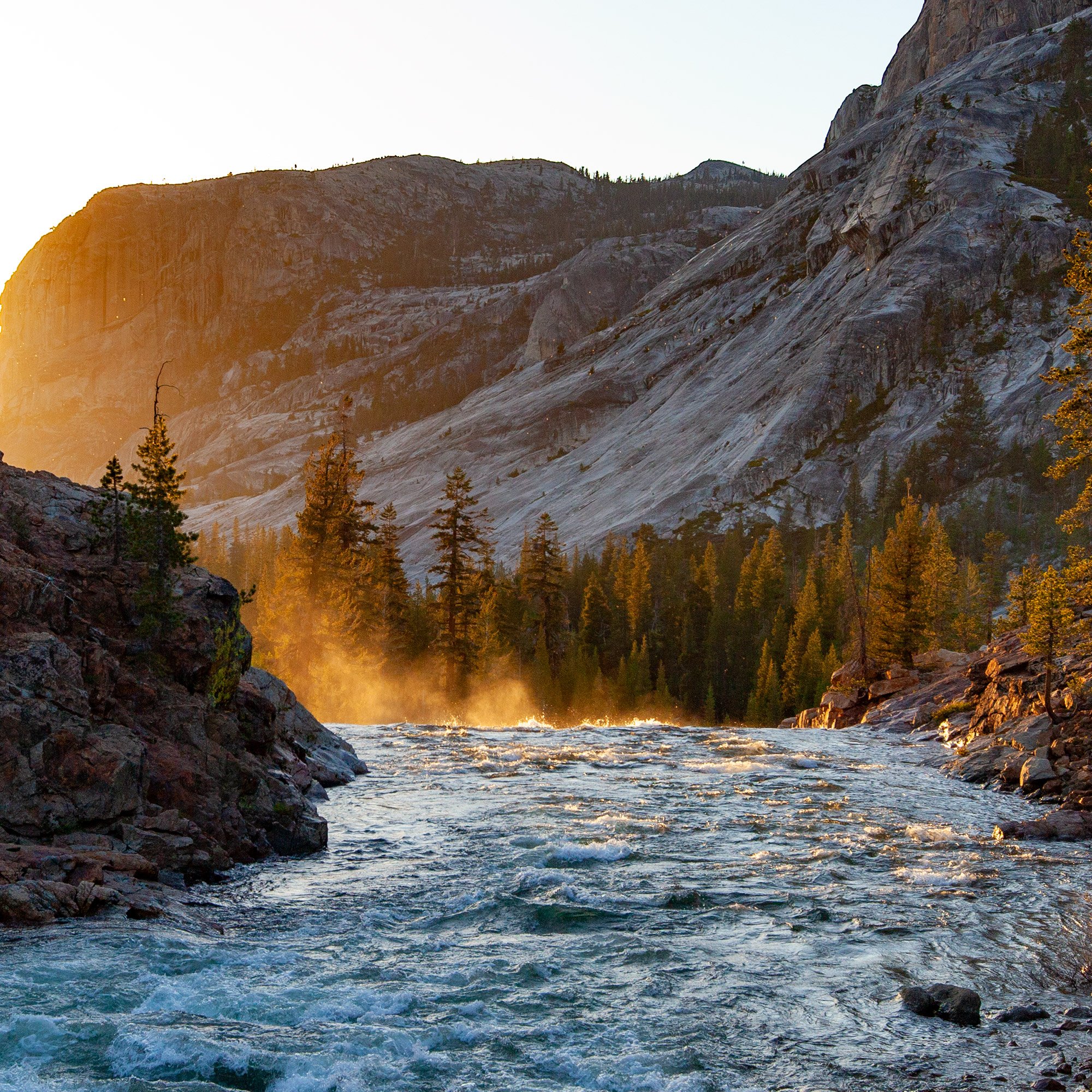
Spring is one of the most dramatic times to see Yosemite Valley. As the Sierra snowpack begins to melt, Yosemite Falls, Bridalveil Fall, and the waterfalls along the Mist Trail come alive. Valley temperatures are generally comfortable for hiking, and crowds are lighter than during the height of summer. Higher-elevation areas are a different story: Tioga Road and sometimes Glacier Point Road may remain closed well into spring depending on the year's snowpack.
Summer: Full Access to the High Country
Summer brings the greatest access to Yosemite, including the high country along Tioga Road and around Tuolumne Meadows. It's the best season for exploring alpine trails, longer hikes, and areas beyond Yosemite Valley. It's also the park's busiest period, so expect crowded trails, full parking areas, and accommodations that book far in advance. Start early and plan individual days around one area of the park rather than spending valuable time driving back and forth.
Fall: Cooler Days and Quieter Trails
September and October can offer some of Yosemite's best hiking weather, with cooler temperatures and fewer visitors once the summer rush begins to fade. The tradeoff is that waterfalls are usually much smaller than they are in spring, and high-country access becomes increasingly dependent on the weather. Tioga Road and Glacier Point Road can close temporarily—or for the season—following early snow.
Winter: A Quieter Side of Yosemite
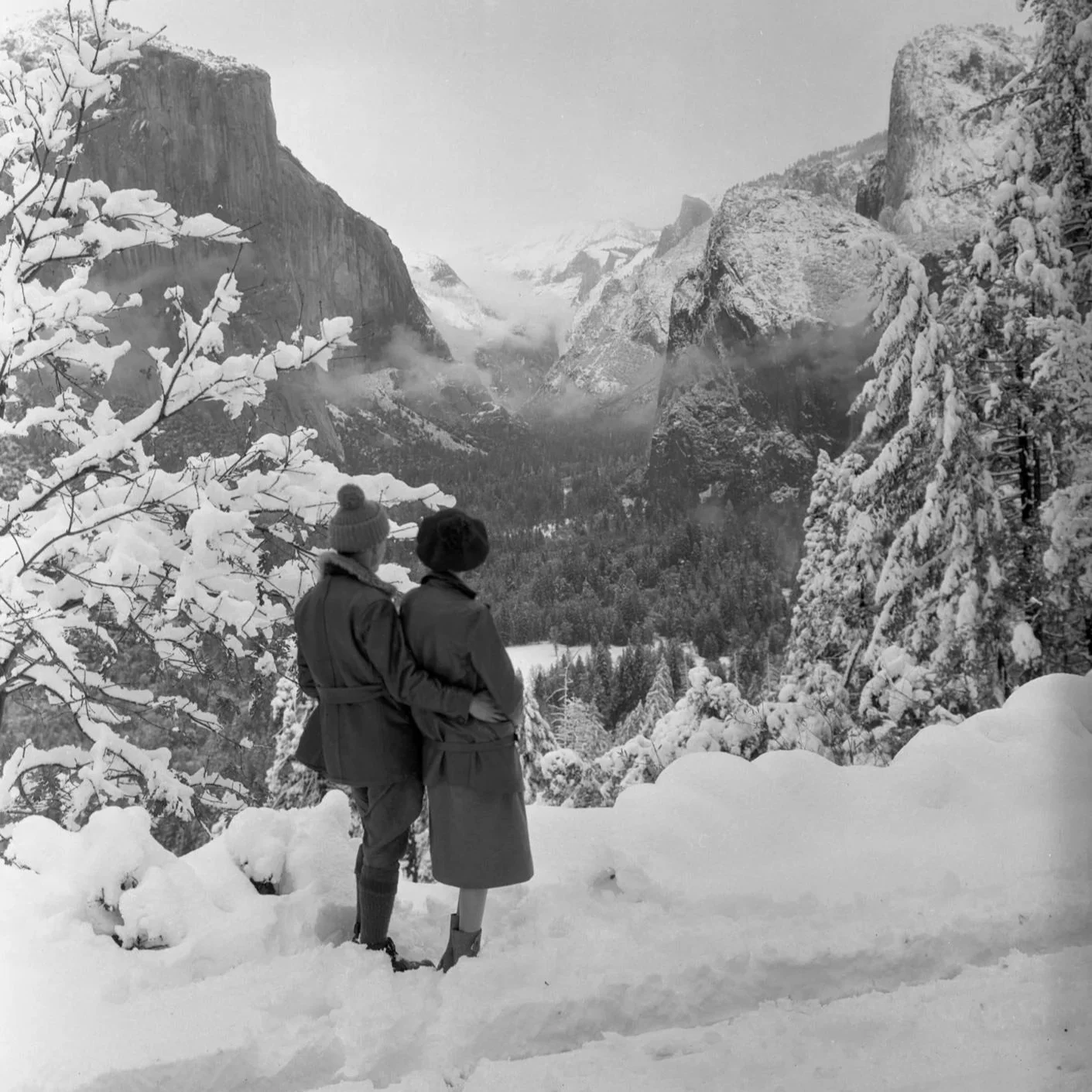
Winter transforms Yosemite Valley into a much quieter landscape. Snow can cover the granite walls and forest floor, crowds thin considerably, and many of the Valley's famous viewpoints remain accessible. Much of Yosemite's high country is closed to vehicle traffic, however, and winter storms can affect roads throughout the park. Come prepared for cold conditions, possible tire-chain requirements, and a very different experience from a summer visit.
Our Pick: For a first visit, late spring offers an exceptional combination of powerful waterfalls, comfortable Valley hiking, and somewhat lighter crowds. If high-country hiking is the priority, aim for summer through early fall and confirm that Tioga Road is open before your trip.
Pro Tip: Early mornings and weekdays dramatically reduce crowd exposure.
Top Hikes in Yosemite National Park
Yosemite's trail system ranges from easy walks through the Valley to strenuous climbs into the high country. The best hike depends on the season, your experience, and which part of the park you're exploring. These are some of the standouts for a first visit.
Easy
Lower Yosemite Fall Trail
A short, mostly flat walk to the base of Lower Yosemite Fall with impressive views of the entire waterfall along the way. It's especially worthwhile in spring and early summer, when snowmelt brings Yosemite Falls to life. The trail is easily accessible from Yosemite Valley and works well when you have limited time.Mirror Lake
An easy walk beneath Half Dome to one of Yosemite Valley's quieter corners. Water levels are highest in spring and early summer; later in the season, the lake can shrink considerably or disappear altogether. Continue beyond the lake if you want a longer walk through Tenaya Canyon.
Moderate
Mist Trail to Vernal Fall
One of Yosemite's signature hikes, following the Merced River before climbing steep stone steps alongside Vernal Fall. Spring and early summer bring the most dramatic waterfall conditions—and often plenty of spray—so expect wet and potentially slippery sections of trail. Even if you don't continue to Nevada Fall, the climb to the top of Vernal Fall is a memorable half-day outing.Sentinel Dome
A relatively short hike with an outsized payoff. From the exposed granite summit, you'll get panoramic views across Yosemite Valley toward Half Dome, El Capitan, Yosemite Falls, and the surrounding Sierra. It's one of the best options for big views without committing to an all-day hike.Taft Point
A short trail through forest leads to dramatic viewpoints along the southern rim of Yosemite Valley. The famous fissures in the granite and sheer drop into the Valley make this one of Yosemite's most striking viewpoints. There are no guardrails across much of the area, so use extra caution near the edge.
Challenging
Upper Yosemite Falls
A steep, sustained climb from Yosemite Valley to the top of North America's tallest waterfall. The trail gains roughly 2,700 feet and offers increasingly expansive views as it climbs above the Valley. It's particularly rewarding when Yosemite Falls is flowing strongly, but the exposed upper sections can become hot later in the season.Clouds Rest
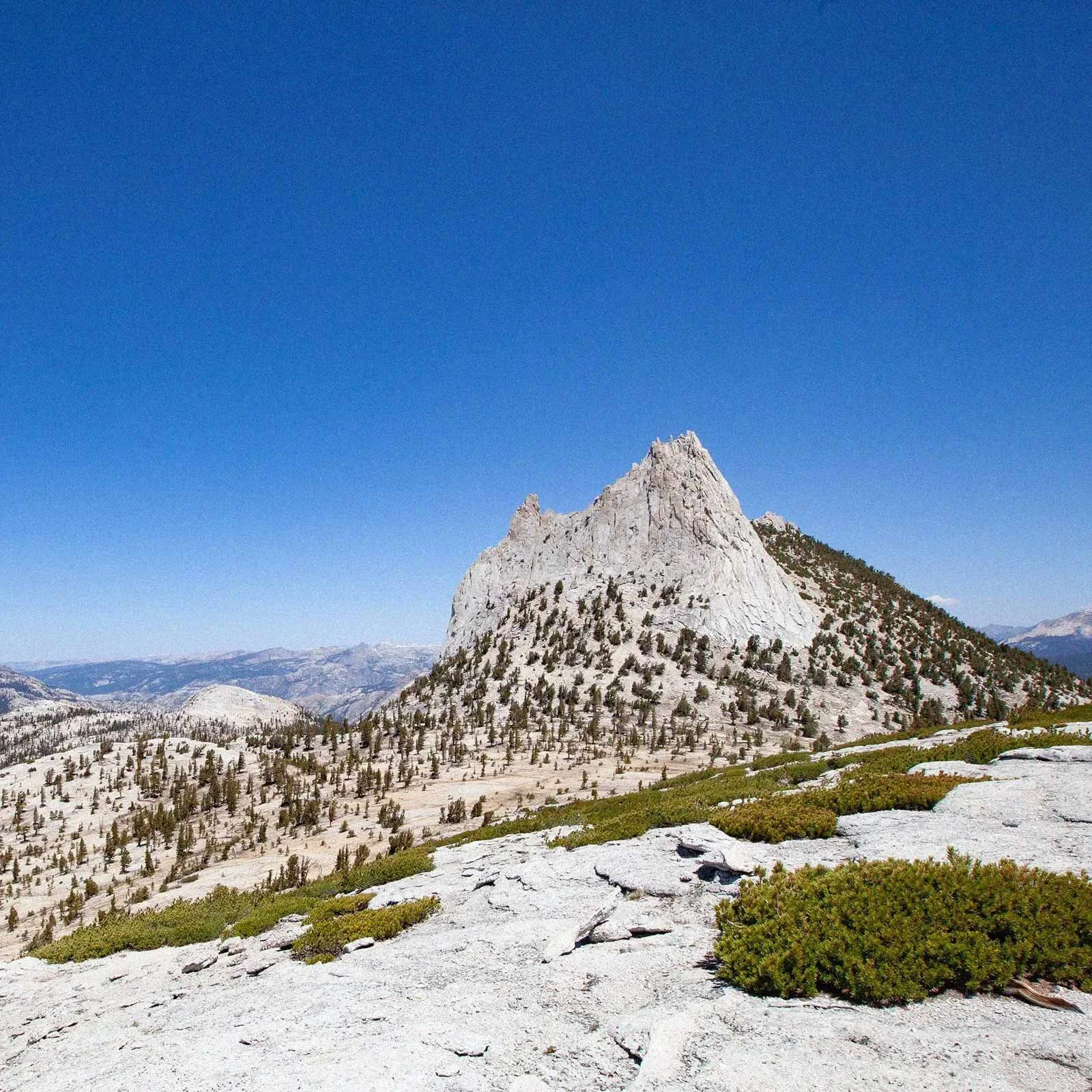
For experienced hikers looking for one of Yosemite's finest panoramic views, Clouds Rest is difficult to beat. The summit sits high above Yosemite Valley with an extraordinary perspective looking toward Half Dome and across the Sierra high country. Most hikers approach from the Tioga Road area, making this primarily a summer and early-fall objective when the road is open.Half Dome
Yosemite's most famous hike is also one of its most demanding. The route climbs from Yosemite Valley past Vernal and Nevada Falls before reaching the exposed cable-assisted ascent to Half Dome's summit. It's a long day with significant elevation gain, and permits are required to ascend the cables when they're installed.
Planning to tackle it? Read our Complete Guide to Hiking Half Dome in Yosemite National Park for permits, route details, training, safety, and trip-planning advice.
Beyond Yosemite Valley
Yosemite Valley gets most of the attention, but some of the park's best landscapes are found beyond its famous granite walls. If you have more than a day or two, make time to explore the high country, southern Yosemite, and the viewpoints along Glacier Point Road.
Tuolumne Meadows
At more than 8,000 feet in elevation, Tuolumne Meadows feels like a different park altogether. Broad alpine meadows, granite domes, winding rivers, and access to miles of high-country trails make this one of Yosemite's best areas for exploring beyond the Valley. The drive along Tioga Road is part of the experience, with stops at Tenaya Lake and numerous trailheads along the way. Access is seasonal and depends on when Tioga Road opens and closes each year.
Tenaya Lake
Surrounded by granite peaks along Tioga Road, Tenaya Lake is one of the most accessible—and beautiful—high-country stops in Yosemite. Pull over for the view, walk along the shoreline, or spend a few hours beside the water before continuing toward Tuolumne Meadows. It's an easy addition to a high-country day and a worthwhile destination even if you're not planning a longer hike.
Glacier Point
Few viewpoints reveal the scale of Yosemite as clearly as Glacier Point. From more than 3,000 feet above Yosemite Valley, the view stretches across Half Dome, Yosemite Falls, and the surrounding Sierra. It's particularly impressive late in the day as the light shifts across the granite. Glacier Point Road is seasonal, so check current conditions before making it part of your itinerary.
Mariposa Grove
Near Yosemite's South Entrance, Mariposa Grove protects more than 500 mature giant sequoias, including some of the park's oldest and largest trees. Walking among them offers a completely different experience from Yosemite's granite-dominated landscapes and makes the grove especially worthwhile if you're entering or leaving through the southern end of the park.
Worth the extra time: If your schedule allows, devote an entire day to Tioga Road and the Yosemite high country rather than treating it as a quick detour from the Valley. The landscape changes dramatically with elevation, and the drive toward Tuolumne Meadows is one of the best ways to understand just how much of Yosemite exists beyond its most famous seven-mile corridor.
Continuing into the Eastern Sierra? Yosemite is a natural starting point for a longer California road trip. Follow our seasonal road trip itinerary through Mammoth Lakes, June Lake, Mt. Whitney and Death Valley.
Where to Stay in and Around Yosemite
Where you stay can have a major impact on a Yosemite trip. The park is large, drive times can be longer than they appear on a map, and summer traffic can add significant time to your day. Staying inside the park is the most convenient option, but the gateway towns surrounding Yosemite offer more restaurants, services, and lodging choices.
Yosemite Valley
For a first visit, staying in Yosemite Valley is hard to beat. You'll wake up beneath some of the park's most famous landmarks and can reach trailheads, viewpoints, and the Valley shuttle without starting every morning with a long drive. Options range from the historic Ahwahnee and Yosemite Valley Lodge to the cabins and tent cabins at Curry Village. In-park accommodations are limited and can book far in advance, particularly from spring through fall.
Best for: First-time visitors, hikers, and anyone who wants to minimize driving.
Mariposa
Located west of the park along Highway 140, Mariposa is one of the best all-around gateway towns for Yosemite. It has a good selection of lodging, restaurants, shops, and services while still providing straightforward access to Yosemite Valley through the Arch Rock Entrance. The drive into the park follows the Merced River through a scenic canyon, making the commute considerably more enjoyable than the word "commute" might suggest.
Best for: Travelers who want the amenities of a real town while maintaining convenient access to Yosemite Valley.
Groveland
Groveland sits northwest of Yosemite along Highway 120 and makes a good base for travelers approaching from the Bay Area or planning to continue across Tioga Road into the Eastern Sierra. The location is particularly useful for trips that combine Yosemite Valley with the park's northern and high-country areas, although you'll still want to account for substantial driving time when planning your days.
Best for: Highway 120 travelers and road trips continuing toward Tuolumne Meadows, Mammoth Lakes, or the Eastern Sierra.
Oakhurst
South of Yosemite, Oakhurst offers one of the largest concentrations of lodging, restaurants, grocery stores, and other services near the park. Its location makes it especially convenient for visiting Mariposa Grove and entering through Yosemite's South Entrance. It's farther from Yosemite Valley than staying inside the park, so early starts are worthwhile if the Valley is your primary destination.
Best for: Families, travelers who want more lodging and dining choices, and visitors planning to explore Mariposa Grove.
Book Early
Yosemite is not a destination where I'd recommend leaving accommodations until the last minute. In-park lodging can be reserved well in advance and is particularly competitive during the main travel season. If staying inside Yosemite is important to you, make lodging one of the first things you book. If the park is full, choose your gateway town based on the areas you plan to explore rather than simply selecting whichever hotel appears closest on a map.
What to Pack for Yosemite
Here’s your essential Yosemite packing list:
Daypack
Water
Trail food (a few small snacks)
Sun protection
Sunglasses
Comfortable hiking footwear
Warm layer
Rain shell depending on season
Offline map
Headlamp for longer/evening hikes
Reusable water bottle
Small first-aid kit (if you plan on doing any significant hiking)
Bring Yosemite Home
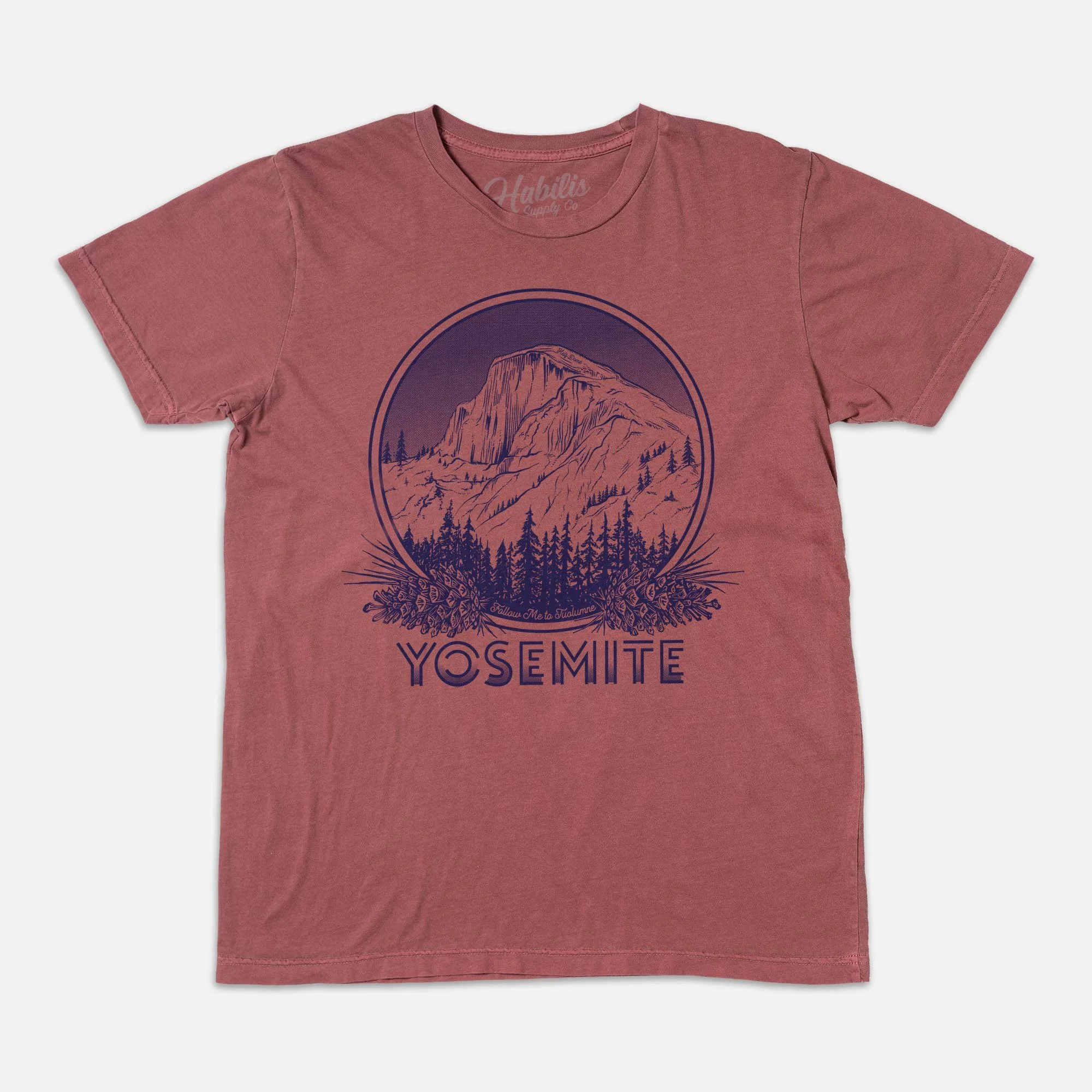
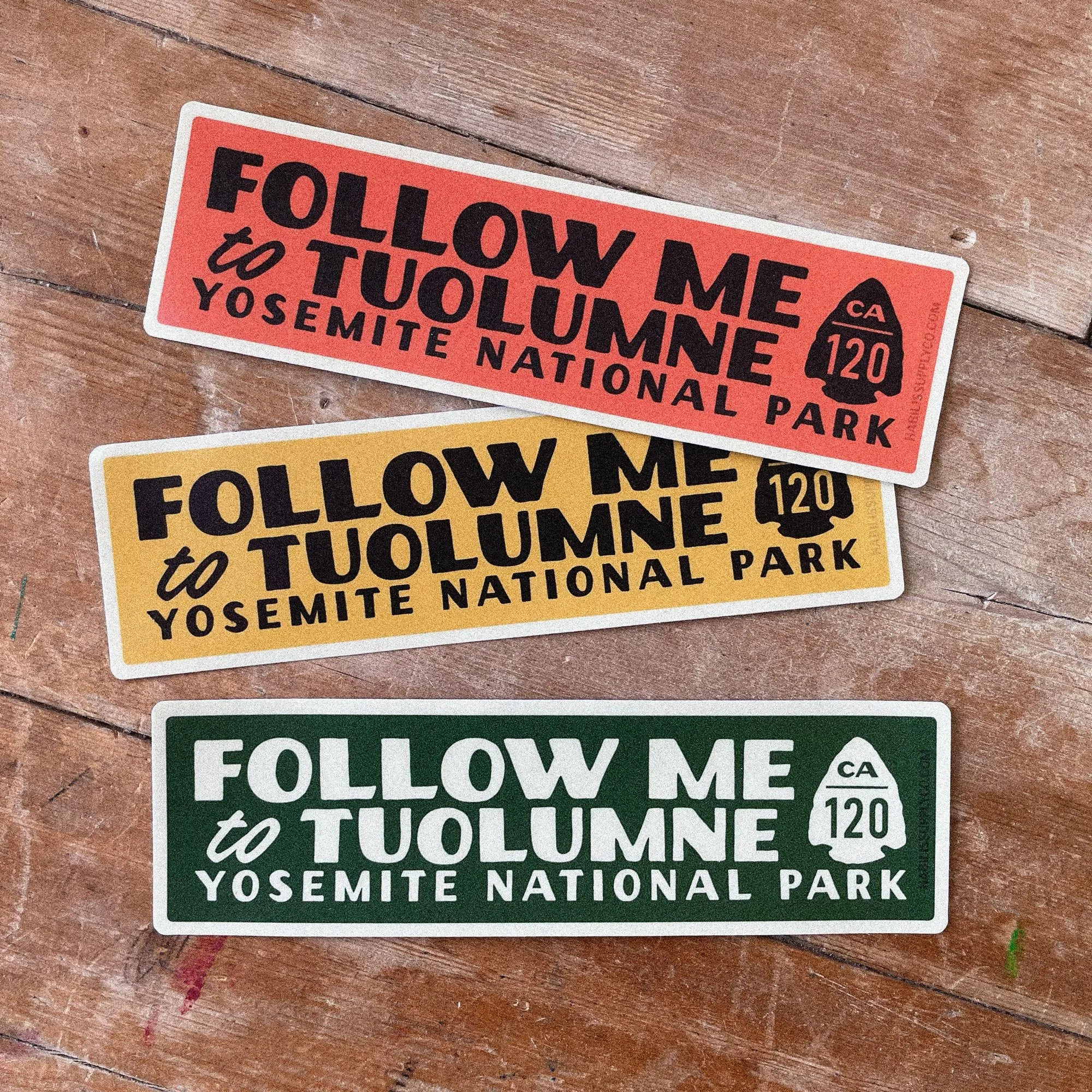
The best souvenirs are the ones that keep a place in your everyday life. Our Yosemite designs draw from the granite, forests and visual history of the Sierra—made to be worn long after the trip ends.
A Few Things to Know Before You Go
Don't underestimate drive times.
Start Valley days early.
Download maps before entering the park.
Check road conditions before heading to Tioga Road or Glacier Point.
Carry more water than you expect to need.
Don't leave food or scented items unattended because of bears.
Expect limited cell service.
Final Thoughts
Yosemite rewards a little planning. Arrive early, give yourself more time than you think you'll need, and leave room to explore beyond the busiest stops in Yosemite Valley.
Most importantly, help protect the places that make the park special. Follow Leave No Trace principles, respect wildlife, and leave Yosemite as you found it.
Whether you're hiking Half Dome, wandering through Tuolumne Meadows, or simply watching the light change across the granite walls, Yosemite has a way of staying with you long after the trip is over.
Continue Exploring
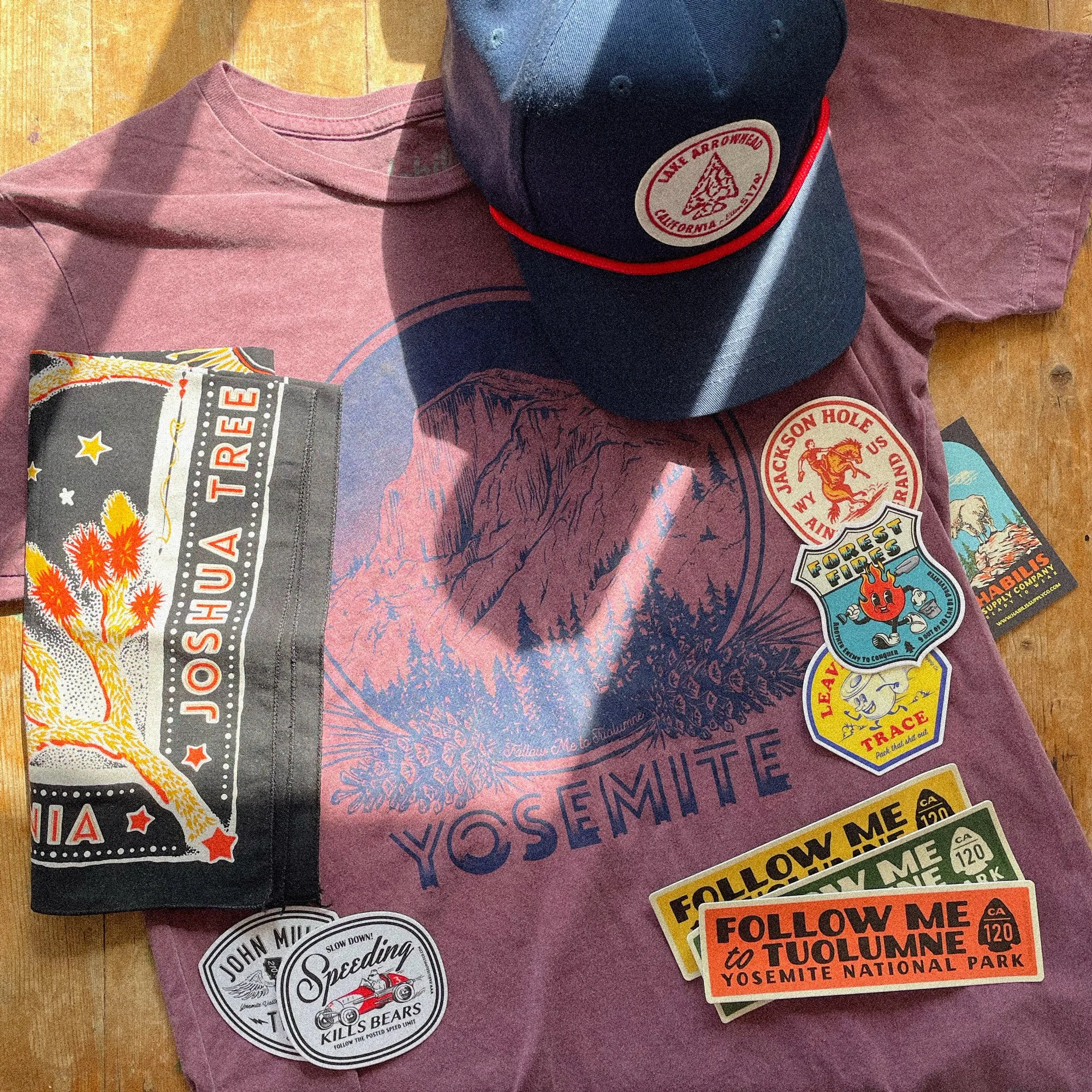

A vintage-inspired Yosemite Valley graphic tee celebrating one of the most iconic landscapes in the Sierra Nevada. The hand-illustrated artwork draws from classic outdoor graphics and the unmistakable scenery of Yosemite Valley, with Half Dome rising above the landscape.
Made in the USA with lightweight fabrics and an easy everyday fit, this unisex tee is available in White and Heather Grey. It's designed for the days after the trip as much as the days spent planning the next one—a wearable reminder of Yosemite and time spent in the mountains.
FROM THE FIELD NOTES
The Ultimate Guide to Yosemite National Park →
PRODUCT DETAILS
MATERIAL White Tee: 100% Cotton
MATERIAL Grey Tee: 50% RPET Recycled Polyester, 37% Combed Ring Spun Organic Cotton, 13% Rayon
FABRIC Lightweight
FIT Unisex
MADE USA
CARE Machine Washable