The Forgotten Outdoor Movement: The History of the Camp Fire Girls
A Forgotten Chapter of America’s Outdoor Culture
Long before modern outdoor brands, national park road trips, and hiking culture filled social media feeds, there was another movement encouraging Americans—especially young people—to build a relationship with nature.
It was called the Camp Fire Girls.
Founded in 1910, the organization introduced generations of young people to camping, conservation, outdoor skills, and stewardship of the natural world. Today the group is simply known as Camp Fire, but its early history reveals something remarkable: it helped shape America’s early culture of outdoor recreation.
In many ways, the philosophy behind Camp Fire Girls—respect for nature, learning through outdoor experience, and building character in the wilderness—echoes the same ideals that continue to inspire modern outdoor communities today.
The Origins of the Camp Fire Girls
The Camp Fire Girls were founded in 1910 by Dr. Luther Halsey Gulick and Charlotte Gulick, who believed girls deserved the same opportunities for outdoor education that boys had through organizations like the Boy Scouts.
Their vision was simple but revolutionary:
Girls should be able to
camp
hike
build fires
learn outdoor survival skills
and develop independence through nature
At a time when women could not yet vote in the United States, the organization quickly became one of the first national youth movements focused on empowering girls through outdoor activity.
The group’s guiding motto was “WoHeLo” — Work, Health, Love, reflecting the idea that character and leadership were built through meaningful experiences outdoors.
A Movement Built Around the Outdoors
Unlike many youth clubs of the early 1900s, Camp Fire Girls placed nature at the center of its philosophy.
Activities often included:
Camping trips
Fire building and wilderness skills
Nature study
Hiking and outdoor exploration
Environmental stewardship projects
These experiences helped connect young people with the natural world during a time when America was rapidly industrializing and urbanizing.
For many participants, these camps were their first meaningful encounter with wild landscapes—an experience that would shape their lifelong relationship with the outdoors.
Camp Fire Girls and America’s Early Camping Culture
The rise of Camp Fire Girls happened at the same time as several major developments in American outdoor history:
The Boy Scouts of America were founded in 1910
The National Park Service would be established a few years later in 1916
Automobile tourism was opening wilderness areas to the public
The early 20th century was the birth of American recreational camping culture, and youth organizations played a major role in shaping how people interacted with the outdoors.
Camp Fire Girls helped normalize the idea that young people should spend time in nature, learning skills that encouraged independence and appreciation for wild places.
Many camps operated in forests, along rivers, and in mountainous areas—similar environments to the landscapes that later became iconic national park destinations.
The National Parks That Inspired the Outdoor Movement
The rise of organizations like the Camp Fire Girls happened alongside the growth of America's national parks.
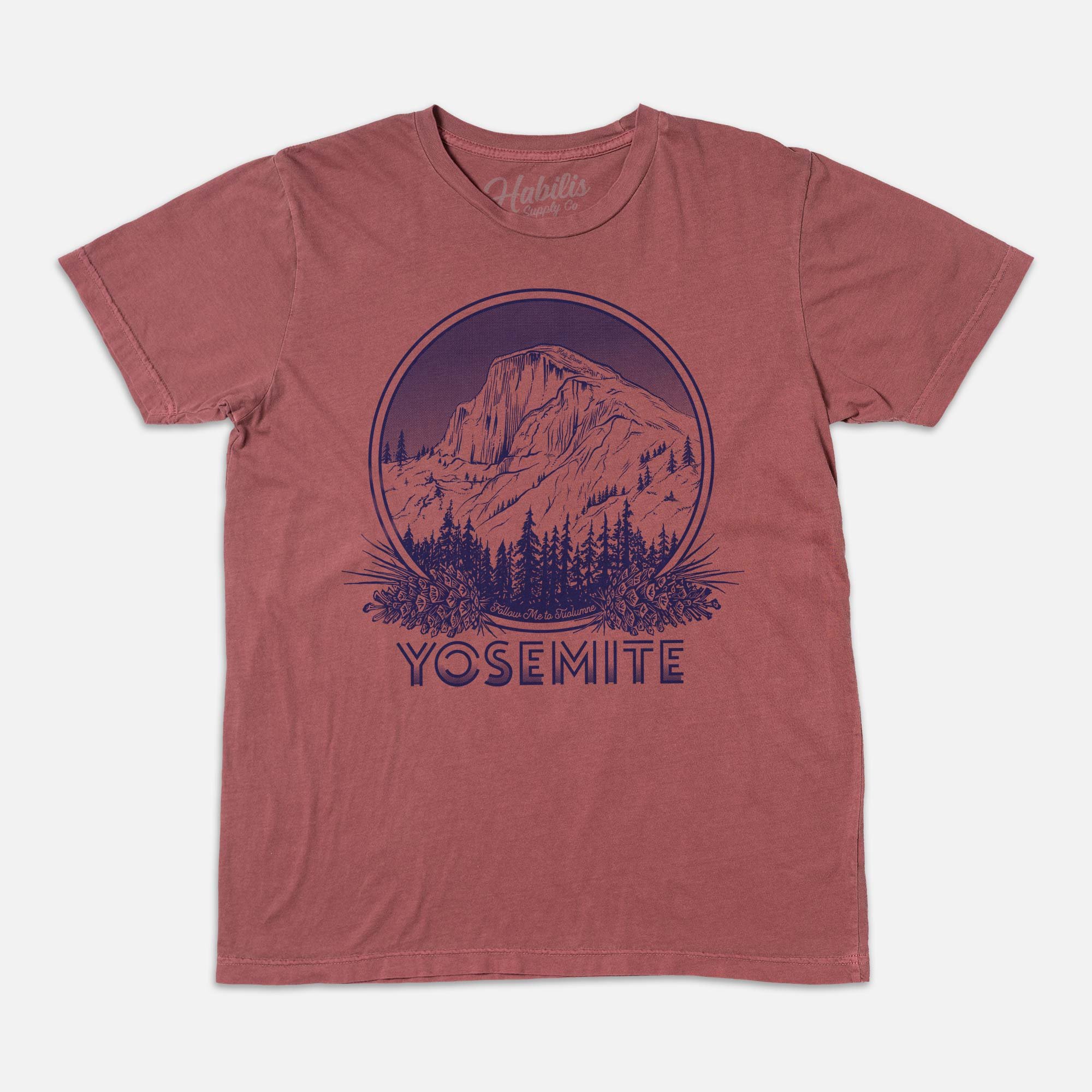
In the early 1900s, places like Yosemite National Park were becoming symbols of the country’s wilderness heritage. Photographs, travel writing, and early conservationists inspired Americans to experience these landscapes for themselves.
For many young people in outdoor organizations, the idea of exploring places like Yosemite represented something bigger than a camping trip. These landscapes became classrooms where people could learn about nature, conservation, and the value of protecting wild spaces.
If you’re interested in experiencing the same iconic landscapes that helped shape America’s outdoor culture, you can read our Ultimate Guide to Visiting Yosemite National Park, which covers the best hikes, travel tips, and places to stay.
Conservation and Service
Camp Fire Girls also emphasized environmental responsibility and service, values that align closely with modern outdoor ethics.
During the organization’s 50th anniversary in 1960, members participated in conservation efforts that included:
planting more than two million trees
building thousands of birdhouses
supporting community environmental projects
Programs like these helped introduce young people to the idea that outdoor recreation comes with responsibility to protect the landscape.
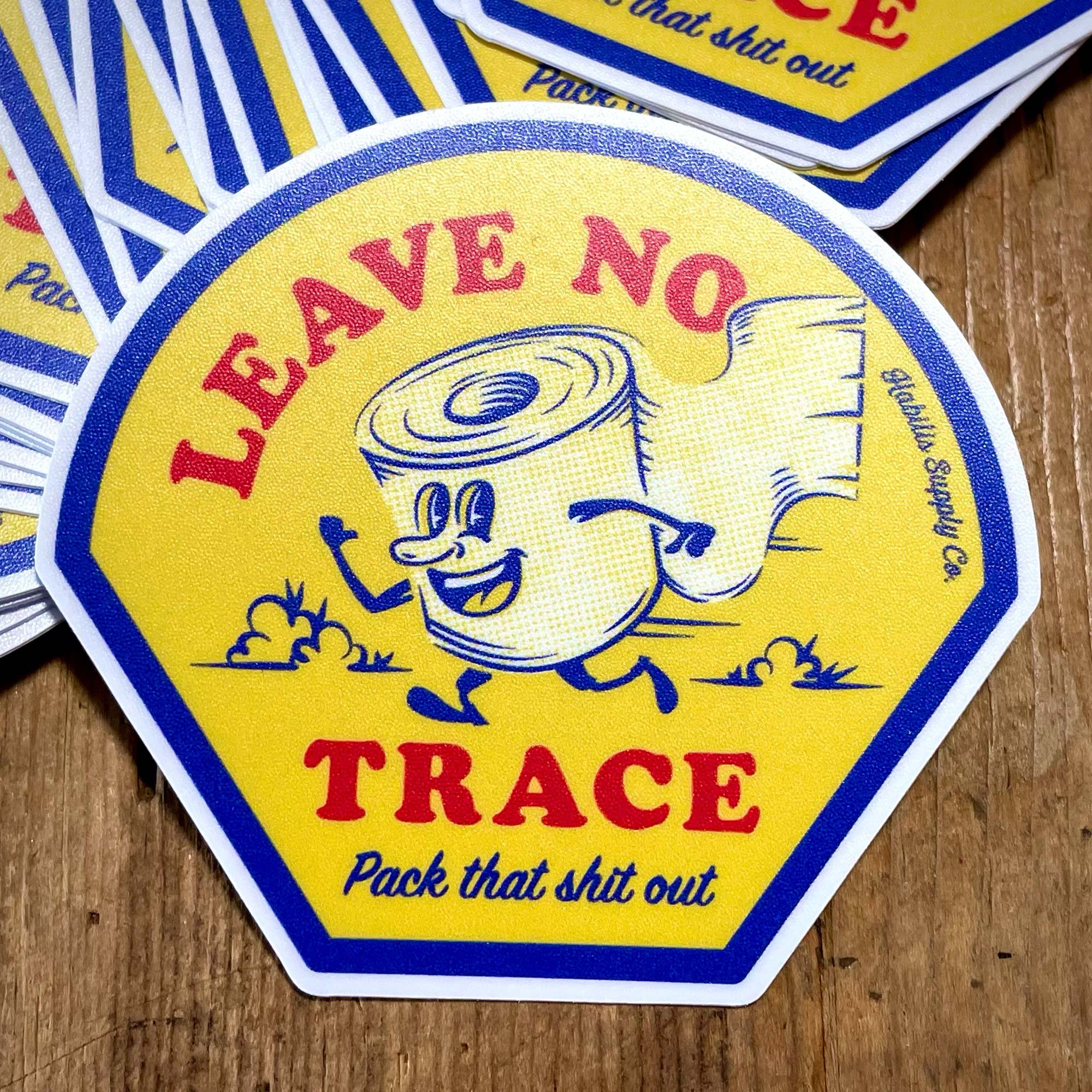
That philosophy mirrors modern principles like Leave No Trace and the growing movement toward conservation-focused outdoor recreation. Learn about the Leave No Trace movement here: Leave No Trace: A Legacy Worth Protecting
A Surprisingly Progressive Organization
For its time, the Camp Fire Girls organization was unusually progressive.
It was one of the first youth organizations in America to be:
multiracial
multicultural
nonsectarian
All of this occurred before women even had the right to vote in the United States.
The organization later expanded to include boys in 1975 and eventually became the gender-inclusive youth organization known today simply as Camp Fire.
Camp Fire and the National Parks Ethos
While Camp Fire Girls were not formally tied to the National Park Service, their philosophy aligned strongly with the ideals that drove the early conservation movement.
Both movements emphasized:
outdoor education
wilderness exploration
stewardship of natural landscapes
character building through nature
In the early 20th century, visiting wild landscapes—whether a national park, a forest camp, or a lakeside retreat—was increasingly seen as essential to personal growth.
Camp Fire Girls helped instill that idea in thousands of young people across the country.
A Complicated Legacy
Like many early outdoor organizations, Camp Fire Girls also borrowed heavily from romanticized interpretations of Native American culture.
Members sometimes wore ceremonial garments and adopted symbolic names inspired by Native traditions.
While this was once viewed as a way of honoring Indigenous cultures, modern perspectives recognize that these practices often crossed into cultural appropriation.
In recent years the organization has worked to acknowledge this history and build more respectful relationships with Native communities.
Understanding this complexity is part of understanding the broader history of American outdoor culture.
Why the Camp Fire Girls Still Matter
Even though the name “Camp Fire Girls” is less familiar today, the movement helped shape the culture of outdoor exploration that many people enjoy today.
The organization encouraged generations of young people to:
sleep under the stars
learn practical outdoor skills
respect nature
build community around the campfire
These experiences helped lay the groundwork for the outdoor recreation culture that continues to thrive today—from national park travel to backpacking, hiking, and camping.
The Spirit of the Campfire
The idea of gathering around a fire in the wilderness is timeless.
For thousands of years it has been a place for:
storytelling
reflection
community
connection with nature
That same spirit is what drew people to the Camp Fire Girls movement more than a century ago.
And it’s the same spirit that continues to inspire people to explore wild places today.
A Modern Connection to Outdoor Heritage
Outdoor culture is built on stories.
From early conservationists and explorers to youth organizations like Camp Fire Girls, these movements helped shape the way Americans think about nature.
Today, many people celebrate those experiences with the things they bring home from their adventures—whether it’s a photograph, a journal entry, or a piece of art that reminds them of time spent outdoors.
Those small reminders help keep the connection to wild places alive long after the trip is over.