
How to Comment on a Public Lands Proposal—and Make Your Comment Count
A simple guide to finding the right public comment period, understanding the proposal, and making your voice heard.
If you spend time on public lands, you've probably encountered a request for public comment. The Bureau of Land Management might be considering a new management plan. The Forest Service may be proposing changes to recreation or access. A National Park could be evaluating a new project or management decision.
But participating isn't always straightforward.
Who manages the land? Where is the actual proposal? Where do you submit a comment? And once you find it, what are you supposed to say? The process can feel complicated, but you don't need to be an attorney, scientist, or policy expert to contribute something useful. You just need to know where to start.
Public Comment Isn't a Vote
Federal agencies generally aren't simply counting how many people say "I support this" versus "I oppose this." A useful public comment explains why you support, oppose, or have concerns about a proposal. The strongest comments identify something specific: an overlooked impact, relevant local knowledge, an error or missing piece of information, or a reasonable alternative the agency should consider.
You don't need to be an expert. If you know the landscape, use the area, or have experience relevant to the proposal, that perspective can be useful.
Step 1: Figure Out Who Manages the Land
Before you can comment, you need to know who is making the decision. That's not always obvious. Neighboring public lands can be managed by completely different agencies.
The most common federal land managers include the National Park Service (NPS), Bureau of Land Management (BLM), U.S. Forest Service (USFS), and U.S. Fish & Wildlife Service (USFWS). State, tribal, county, local, and other federal agencies may manage nearby lands as well.
If you already know the agency, you're one step ahead. If you don't, start by figuring out who manages the area you're interested in.
Step 2: Find the Project and the Right Place to Comment
Finding where to submit a comment can be one of the most confusing parts of the process.
Different federal agencies use different planning systems, and the website, social post, news article, or organization that alerted you to an issue may not be where comments are officially accepted.
Before commenting, find the official agency project page or notice. This is where you'll find the actual proposal, comment deadline, supporting documents, and instructions for participating.
Choose what you know. We'll point you toward the official federal resource for finding the project and current comment instructions.
Always Check the Official Project Instructions
There is no single comment form for every federal land-management decision. Depending on the proposal, comments may be accepted through an agency planning website, an online form, Regulations.gov, email, mail, or another method.
Always follow the instructions on the specific project page and confirm the deadline before submitting.
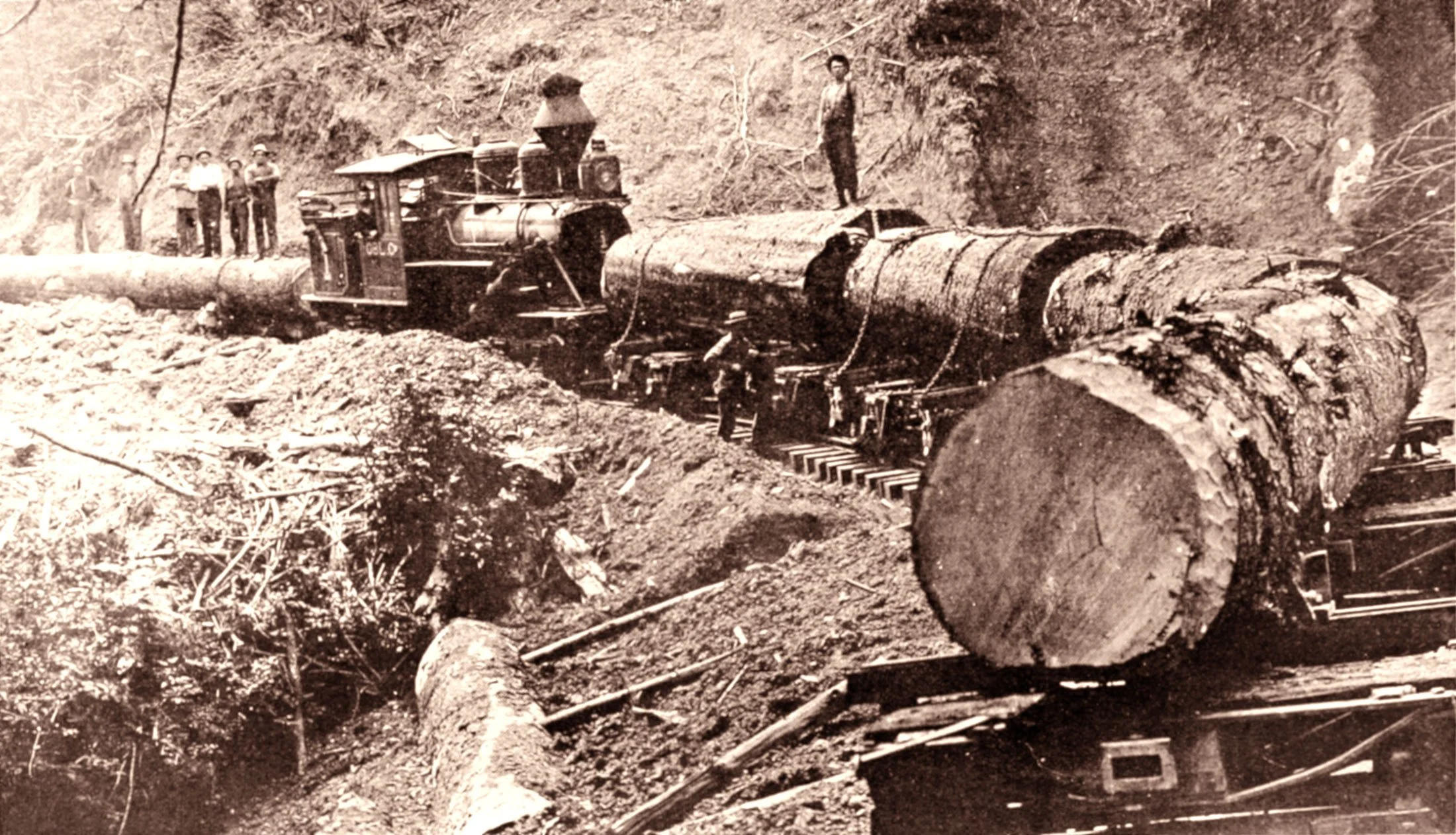
Logging in Oregon, 1910
Public lands have long been shaped by decisions about timber, recreation, conservation, access, grazing, development, and other uses. Today's public comment process gives people an opportunity to weigh in on many of the decisions that shape these landscapes.
Step 3: Understand What's Actually Being Proposed
You don't necessarily need to read hundreds of pages before commenting.
Start with the agency's project description or summary and try to answer four basic questions:
What is changing?
Where would it happen?
What alternatives are being considered?
What issues is the agency asking the public to address?
If one of those issues affects a place or activity you know well, dig further into that portion of the proposal. The goal isn't to become an expert on the entire project. It's to understand enough to make your comment specific to the decision being considered.
Step 4: Think About What You Know
Before writing, think about what you actually know.
Do you regularly use this place?
Have you noticed something the proposal may have overlooked?
Could the proposal affect access, recreation, wildlife, water, cultural resources, scenery, or another aspect of the landscape you know?
Is there another reasonable solution the agency should consider?
Personal experience is most useful when it's specific. Saying you've visited an area provides little information by itself. Explaining that you've used a particular trail for ten years and how a proposed change could affect access to it gives the agency something more meaningful to consider.
Step 5: Write Your Comment
A Simple Comment Framework
In short: Who are you? What concerns you? Why? What would you like the agency to consider?
What Makes a Comment Useful?
Consider these two examples.
“I strongly oppose this proposal. Our public lands need to be protected.”
“I regularly hike and camp in this area and am concerned that the proposed road expansion would affect the nonmotorized trail corridor described in Section ___. The analysis doesn't appear to address how increased vehicle traffic could affect trail access. I encourage the agency to evaluate an alternative that maintains the existing nonmotorized access.”
Both commenters may feel exactly the same way. The second commenter has identified a specific issue for the agency to consider. That's the goal.
Don't Just Copy and Paste Someone Else's Comment
Sample comments and form letters can be useful for understanding an issue, but whenever possible, use them as a starting point rather than your finished comment. Put the substance in your own words and include your own relevant experience. The same applies to AI tools. They can help explain complicated documents or organize your thoughts, but your final comment should reflect your actual experience and perspective.
You don't need to sound like a lawyer. You need to give the agency useful information.
Before You Hit Submit
Your Experience on Public Lands Matters
Federal land-management decisions can feel distant and complicated, especially when they're buried inside planning documents, government websites, and unfamiliar terminology. You don't have to know everything about a proposal to contribute something meaningful. Find the official proposal, understand the issue you're commenting on, be specific, explain your reasoning, and speak from the experience you actually have.
If you've spent time getting to know a place, you may have something worth saying about its future.
Continue Exploring
Explore more Field Notes on national parks, outdoor ethics, public lands history, and outdoor culture.


Briefly explain your connection to the place or issue.
Identify the specific part of the proposal you're addressing.
Explain your concern using relevant experience, observations, facts, or references to the proposal.
Suggest an alternative, change, or action the agency could consider.