The Best Time to Visit America's National Parks: Seasonal Guide & Road Trip Itineraries
Updated August 2026
The Best Seasons to Explore—and How to Turn One Park Into an Unforgettable Road Trip
There isn't a single "best" time to visit America's national parks. Every season reveals something different. Waterfalls thunder in spring, alpine trails emerge from the snow in summer, aspens glow gold in autumn, and desert landscapes become comfortably cool in winter.
The key isn't simply choosing the right park—it's choosing the right time.
This guide highlights nine of America's most iconic national parks, the best season to experience each one, and thoughtfully curated road trip itineraries that extend the adventure beyond the park gates. Whether you're planning a long weekend or a cross-country journey, you'll discover nearby mountain towns, scenic drives, and unforgettable landscapes that make every trip even more rewarding.
At a Glance
| National Park | Best Time to Visit | Park Stay | Suggested Extended Itinerary |
|---|---|---|---|
| Yosemite National Park | May–June & September–October | 2–3 days |
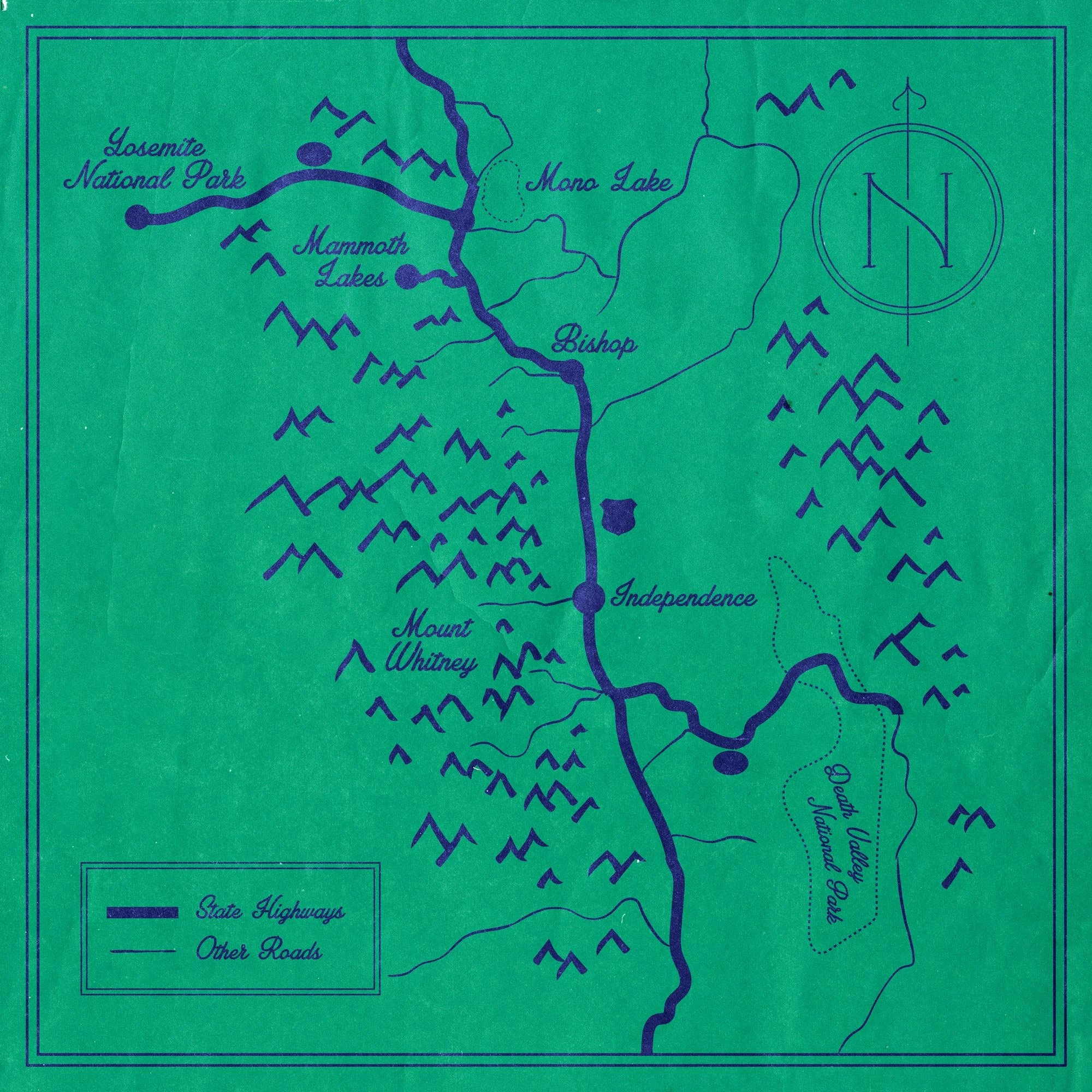
Yosemite National Park → Mono Lake → June Lake Loop → Mammoth Lakes → Independence (Mount Whitney) → Death Valley National Park
6–8 days total |
| Yellowstone National Park | Late May–September | 3–4 days |
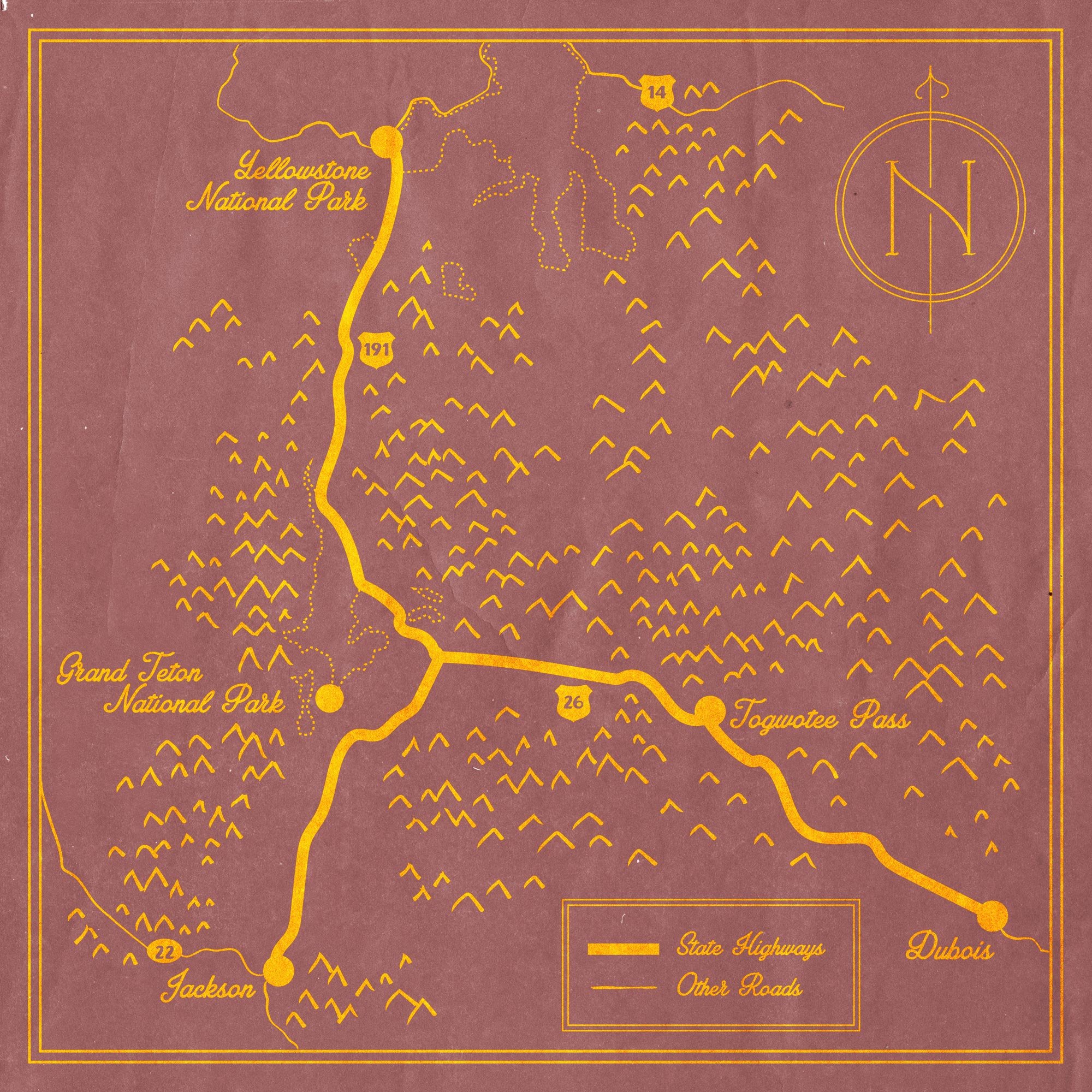
Yellowstone → Grand Teton → Jackson → Dubois (via Togwotee Pass) 7–9 days total |
| Glacier National Park | Mid-July–Early September | 3–4 days |
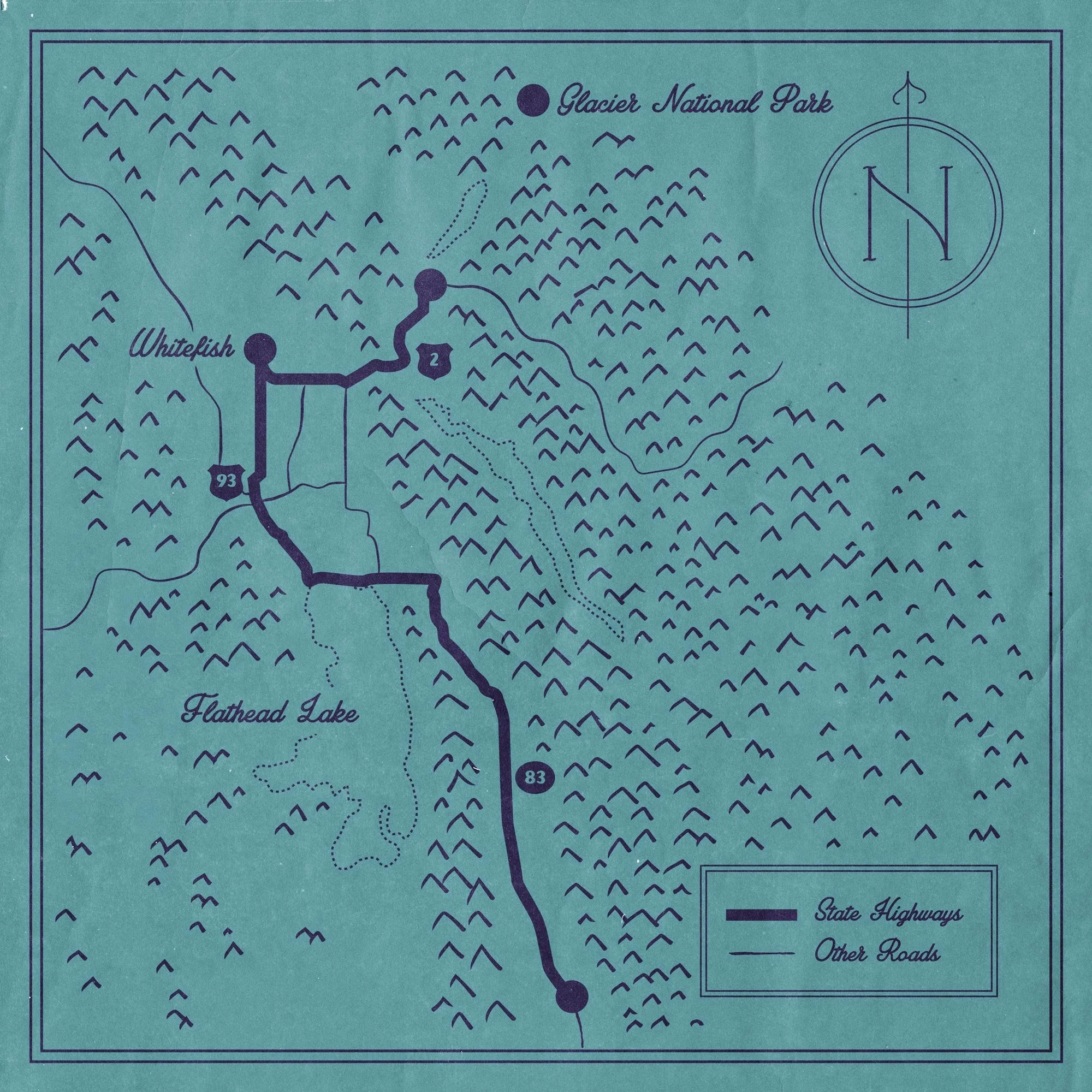
Glacier National Park → Whitefish → Flathead Lake (East Shore) → Seeley–Swan Valley 6–8 days total |
| Mount Rainier National Park | Mid-July–September | 2–3 days |
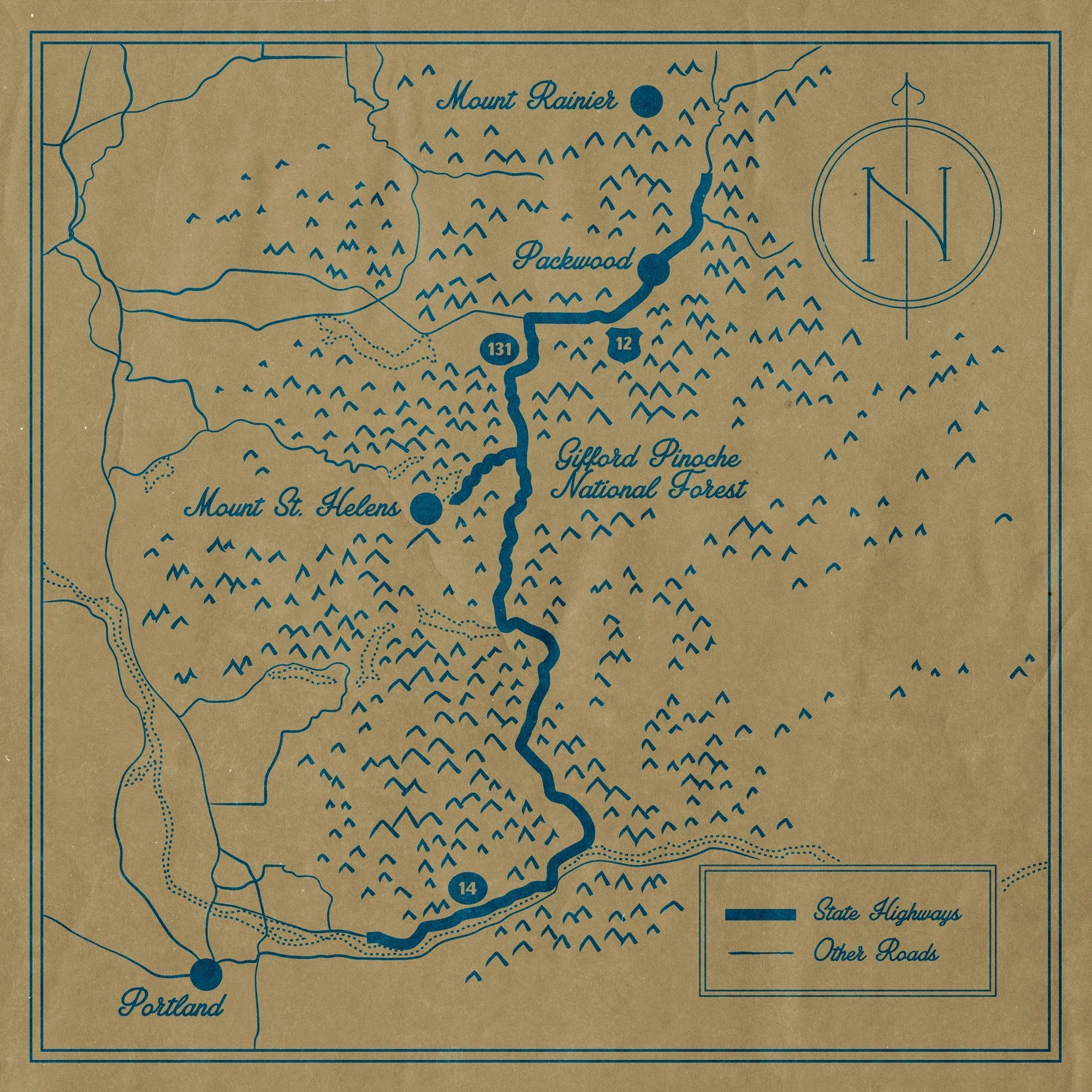
Mount Rainier → Packwood & Gifford Pinchot National Forest → Mount St. Helens → Columbia River Gorge Seasonal option: Windy Ridge & Spirit Lake viewpoints 7–9 days total |
| Zion National Park | March–May & September–November | 2–3 days |
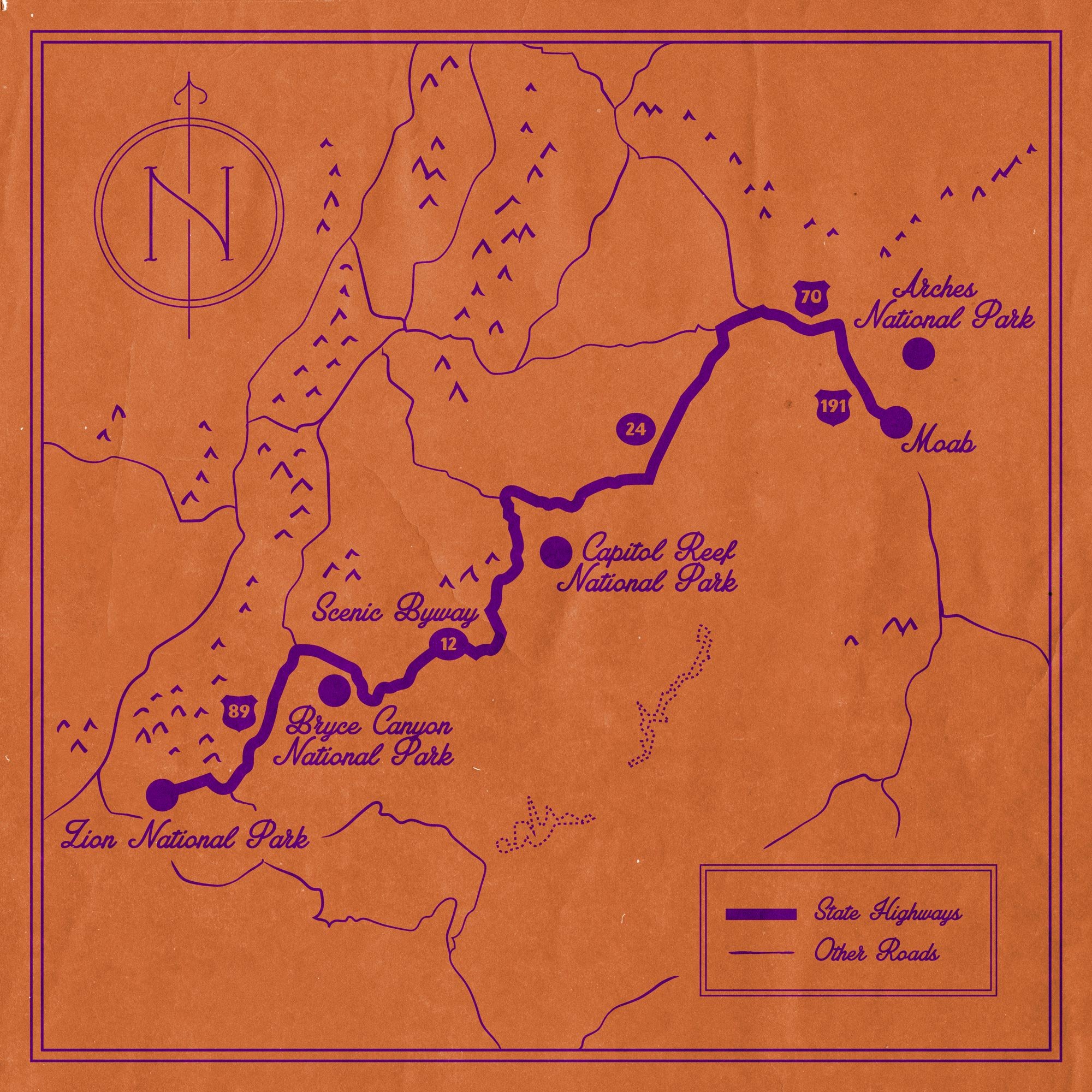
Zion → Bryce Canyon → Capitol Reef → Moab (Arches & Canyonlands) 8–10 days total |
| Grand Canyon National Park | April–May & September–October | 2–3 days |
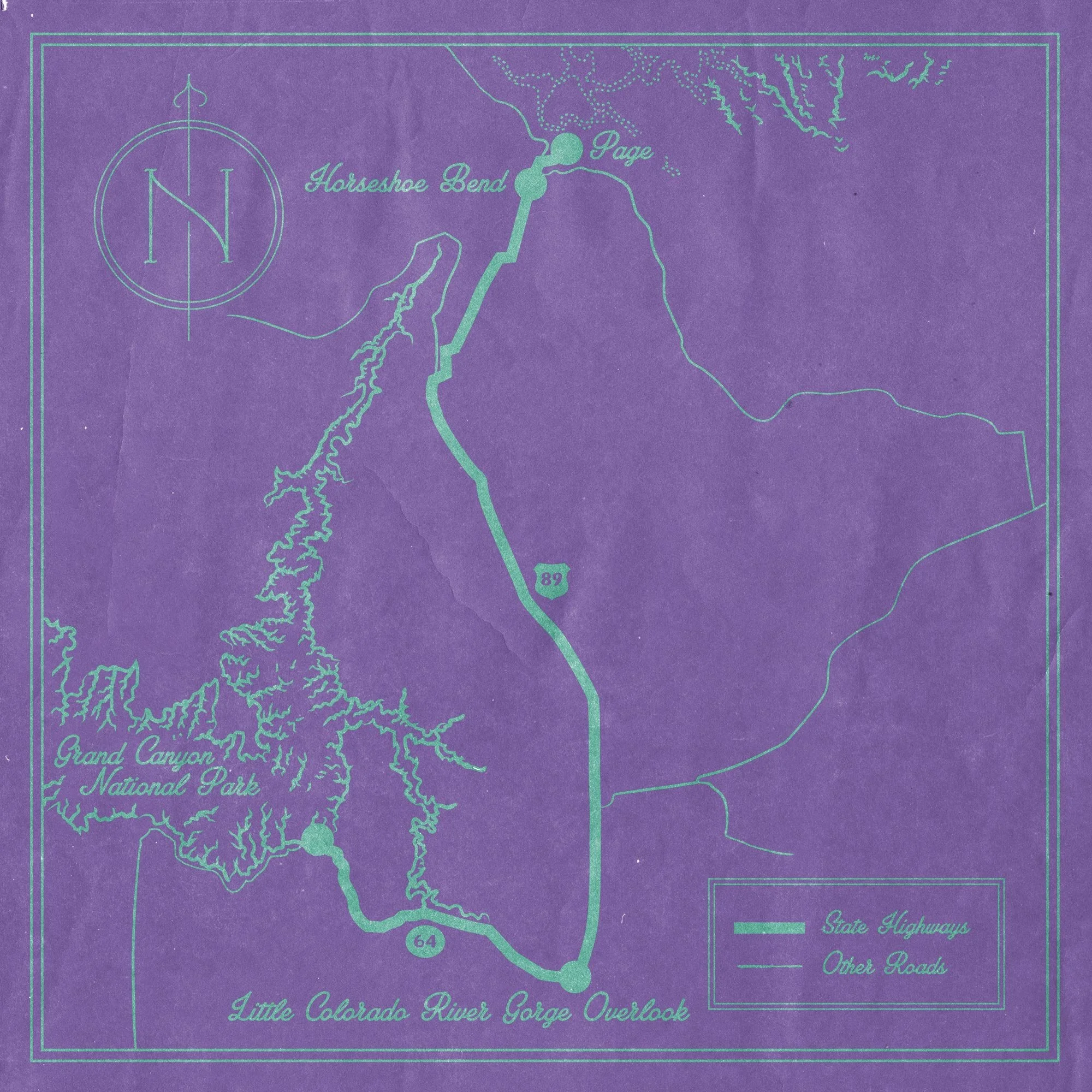
Grand Canyon National Park → Little Colorado River Gorge → Page, Arizona
5–7 days total |
| Joshua Tree National Park | October–April | 2–3 days |
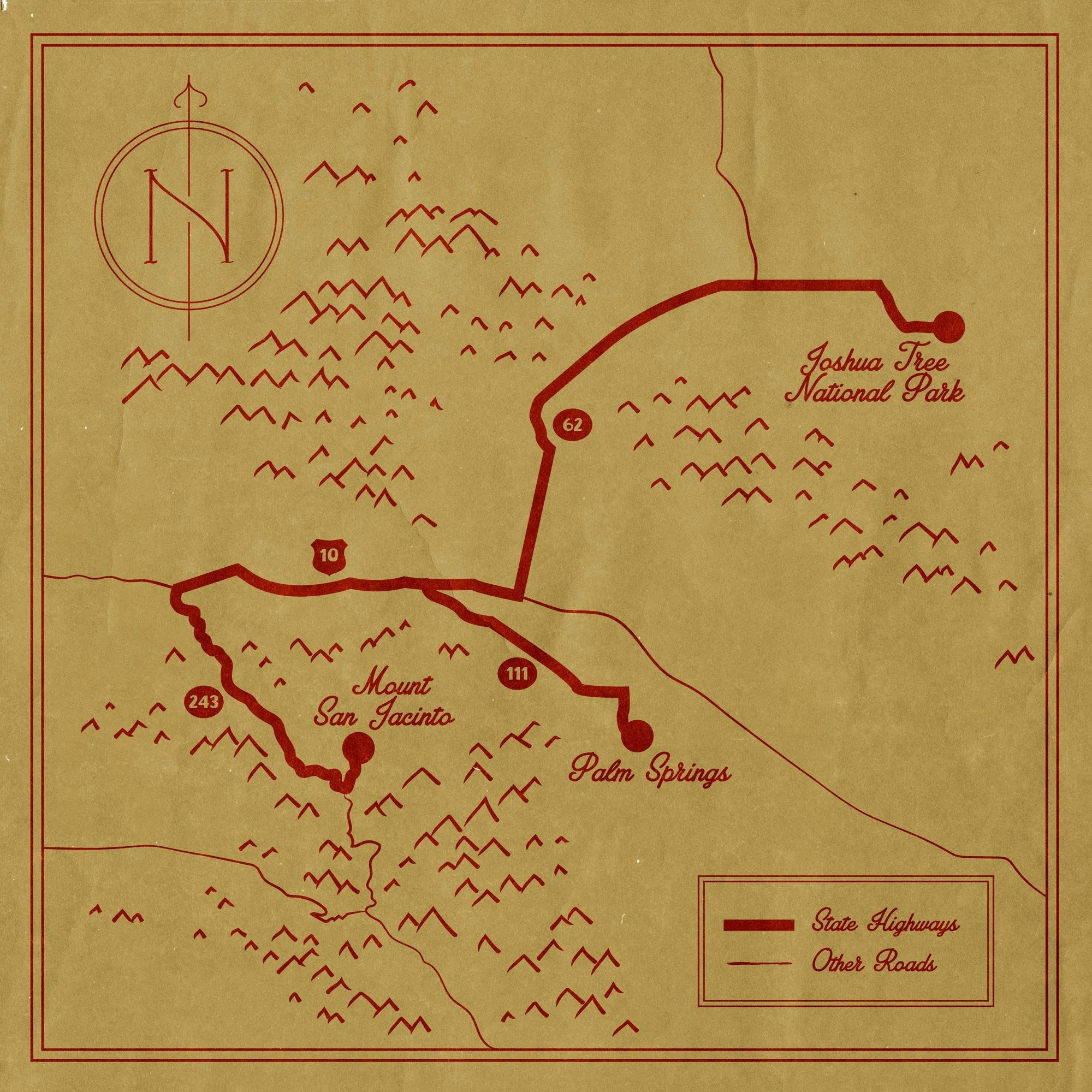
Joshua Tree National Park → Mount San Jacinto State Park → Palm Springs
4–6 days total |
| Great Smoky Mountains National Park | Mid-September–Early November | 2–3 days |
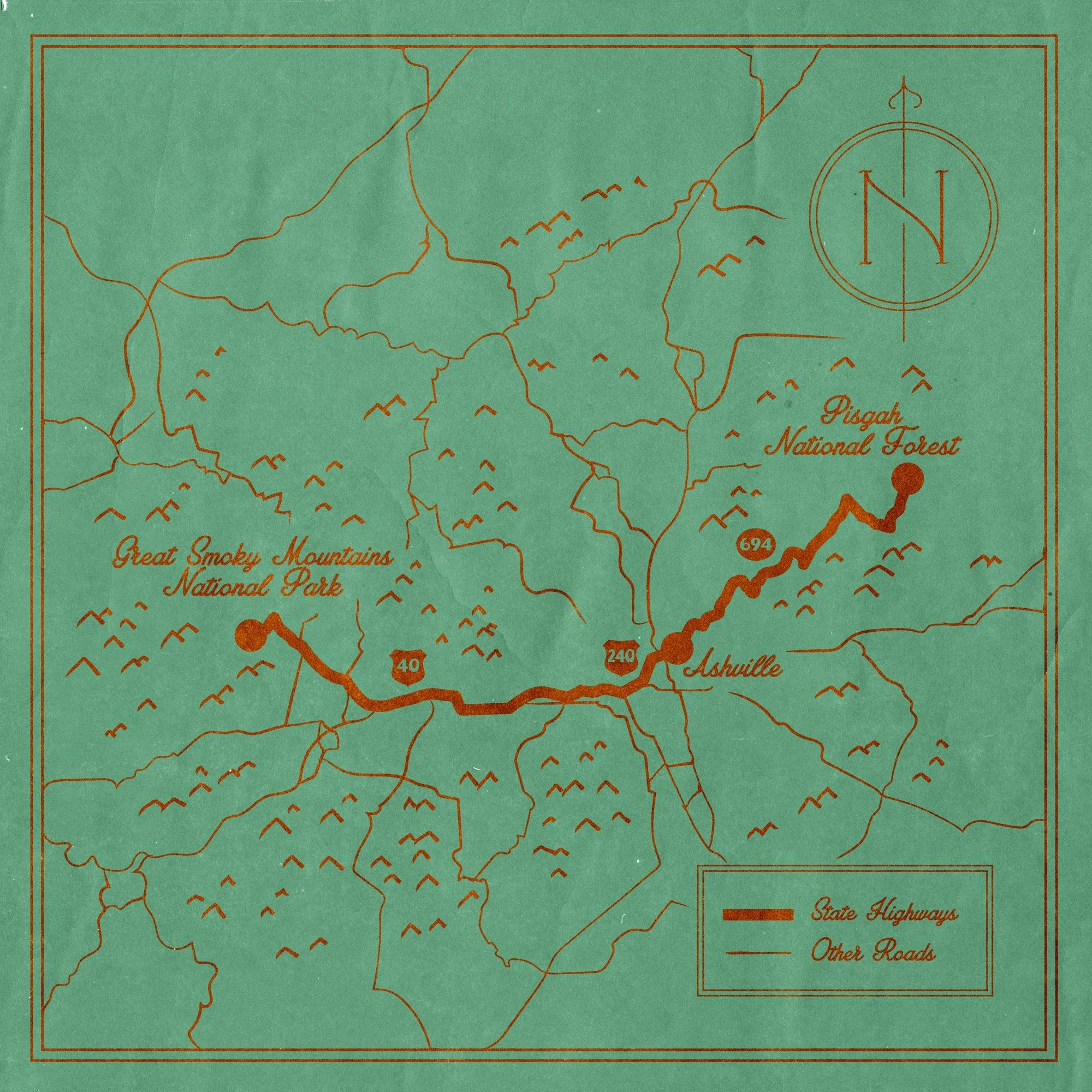
Great Smoky Mountains National Park → Asheville → Pisgah National Forest
5–7 days total |
| Acadia National Park | September–October | 2–3 days |
Acadia National Park → Camden → Portland
5–6 days total |
Suggested routes and travel times are approximate. Seasonal road closures, weather, park access, and personal travel pace may affect each itinerary.
Yosemite National Park
Best Time to Visit: May–June & September–October
Late spring and early fall are the best times to experience Yosemite National Park. In May and June, snowmelt transforms Yosemite Falls, Bridalveil Fall, and countless smaller cascades into spectacular displays, while wildflowers begin to blanket the high country. September and October bring crisp mornings, golden light, fewer crowds, and ideal hiking conditions after the busy summer season.
Summer offers full access to Tioga Road and the park's higher elevations but is also Yosemite's busiest time of year. Winter transforms the valley into a quieter, snow-covered landscape, though many high-elevation roads, including Tioga Pass, close seasonally.
Highlights
Yosemite Valley
Tunnel View
Glacier Point
Yosemite Falls
Mist Trail
Tuolumne Meadows (seasonal)
Good to Know
Reservations may be required during peak visitation periods, and lodging inside the park often books months in advance. Parking fills early throughout the summer, making shuttle buses and early morning starts the best way to experience Yosemite Valley. Tioga Road typically opens between late May and early July depending on snowfall, so always check current conditions before planning an Eastern Sierra road trip.
Recommended Stay: 2–3 Days
Two to three days allows enough time to experience Yosemite Valley, hike one or two signature trails, visit Glacier Point, and enjoy the quieter scenery of Tuolumne Meadows if Tioga Road is open. Spending a few days also gives you the flexibility to experience the park during sunrise or sunset, when Yosemite's granite cliffs glow with warm evening light.
Continue the Journey: California's Eastern Sierra
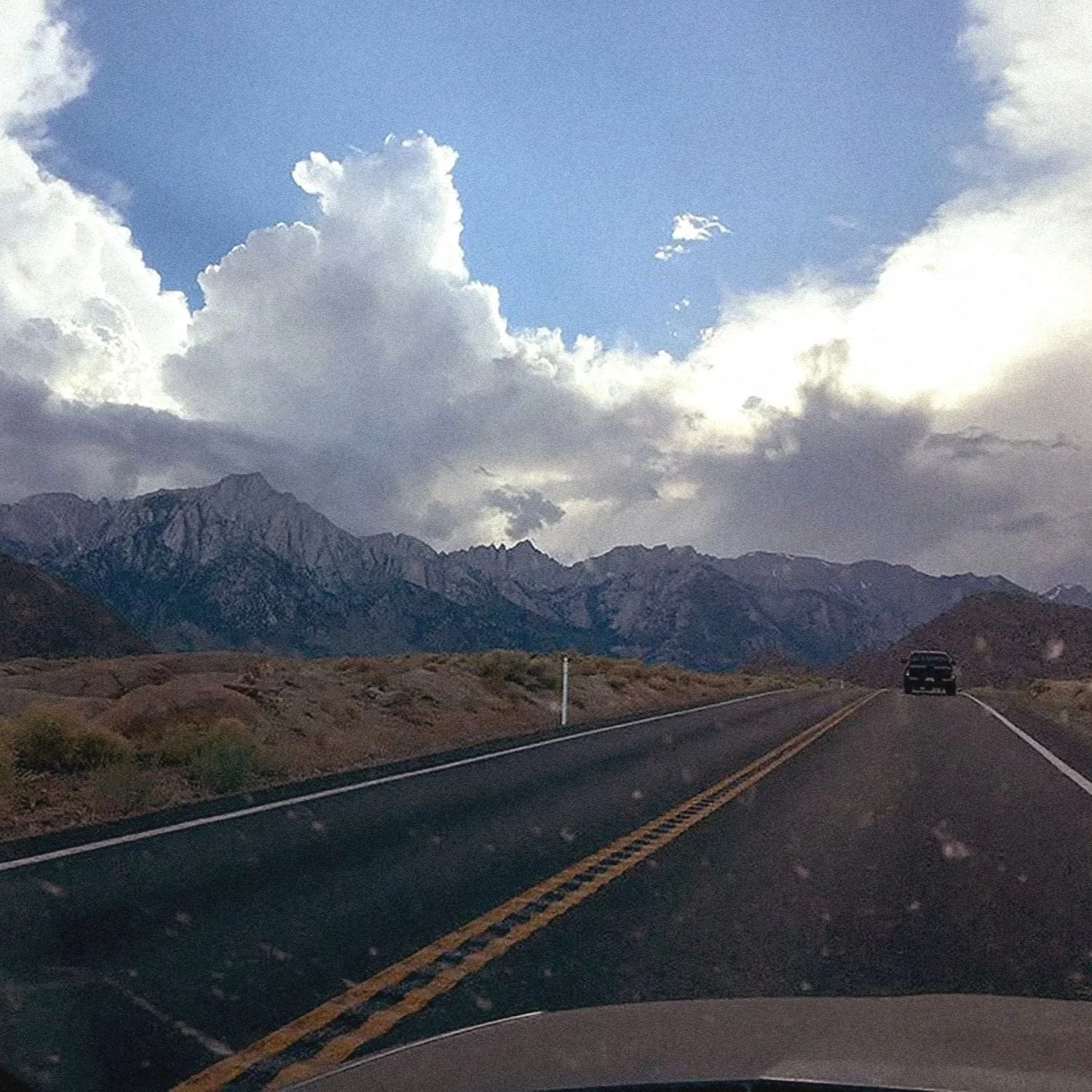
One of the greatest road trips in California begins the moment you leave Yosemite through Tioga Pass. Crossing the Sierra Nevada, you'll descend from alpine granite landscapes into the dramatic Eastern Sierra, where ancient lakes, towering peaks, high desert valleys, and colorful badlands create an unforgettable journey. Few roads in America showcase such a dramatic change in scenery over such a short distance.
Your first stop is Mono Lake, one of North America's oldest lakes, where otherworldly limestone tufa towers rise from the shoreline. Just beyond, take the scenic June Lake Loop, a winding drive through sparkling alpine lakes, rugged Sierra peaks, and colorful aspen groves that offer a completely different perspective of the mountains you've just crossed.
Continue south to Mammoth Lakes, a lively mountain town surrounded by hiking trails, alpine lakes, volcanic landscapes, and natural hot springs. Spend a day exploring the area's outdoor attractions, enjoying local restaurants, or simply relaxing in one of California's premier mountain destinations.
Following U.S. Highway 395, stop in Independence, where the dramatic rise of the Sierra Nevada above the Owens Valley provides remarkable views toward Mount Whitney, the highest peak in the contiguous United States. The towering mountain backdrop and expansive desert valley highlight the striking contrast that defines California's Eastern Sierra.
Finish your journey in Death Valley National Park, where sweeping salt flats, colorful badlands, towering sand dunes, and the lowest point in North America offer a dramatic contrast to Yosemite's cool forests and granite cliffs. Experiencing both parks on the same road trip showcases the incredible diversity of California's landscapes—from alpine wilderness to one of the hottest places on Earth.
Suggested Route
Yosemite National Park — 2–3 days
Mono Lake & June Lake Loop — 1 day
Mammoth Lakes — 1–2 days
Independence (Mount Whitney views) — Half day
Death Valley National Park — 1–2 days
Total Trip: 6–8 days - See Complete Route
Useful Links
Yellowstone National Park
Best Time to Visit: Late May through September
Yellowstone transforms dramatically as the seasons change. Late spring brings roaring waterfalls, active wildlife, and fewer crowds, while summer offers full access to the park's roads, trails, and geothermal attractions. By September, cooler temperatures, colorful foliage, and quieter boardwalks create one of the park's most rewarding times to visit.
Wildlife is active throughout the season, and each month offers a different perspective on America's first national park.
Highlights
Old Faithful and the Upper Geyser Basin
Grand Prismatic Spring
Lamar Valley wildlife viewing
Yellowstone Lake
Waterfalls and the Grand Canyon of the Yellowstone
Good to Know
Yellowstone is one of the busiest national parks in the United States. Traffic delays caused by wildlife, road construction, and limited parking are common throughout the summer. Start your days early, allow extra travel time between destinations, and expect drives within the park to take longer than maps suggest.
Weather can change rapidly, particularly at higher elevations, so pack layers regardless of the season.
Recommended Stay: 3–4 Days
Three to four days allows enough time to experience Yellowstone's diverse landscapes without feeling rushed. Spend time exploring the park's geothermal basins, wildlife-rich valleys, waterfalls, and scenic drives, while leaving room for unexpected wildlife sightings and slower moments along the way.
Continue the Journey: Wyoming's Mountain Country
Yellowstone and Grand Teton are often visited together, but the journey doesn't have to end there. Continue south into Grand Teton National Park, where jagged peaks rise directly above alpine lakes, winding rivers, and open sagebrush valleys. Two to three days provides time to enjoy scenic drives, lakeshore walks, wildlife viewing, and some of the most iconic mountain scenery in the American West.
From the park, spend a day exploring Jackson, Wyoming. Surrounded by mountains and rich in Western history, Jackson blends art galleries, local restaurants, gear shops, and historic landmarks into one of the country's most memorable mountain towns. Whether you're strolling beneath the famous antler arches or enjoying an evening on the town square, it's a worthwhile contrast to the quiet landscapes of the national parks.
To continue the adventure, leave Jackson and travel east over Togwotee Pass, one of Wyoming's most scenic mountain drives. Climbing through the Bridger-Teton National Forest, the route crosses the Continental Divide before descending into broad valleys, forests, and open ranchlands.
The drive concludes in Dubois, a historic Western town that feels worlds away from Yellowstone's busiest attractions. Wooden boardwalks, mountain views, museums, and nearby hiking trails make Dubois a relaxed and authentic place to spend another day before heading home—or continuing your Wyoming road trip.
Suggested Route
Yellowstone National Park — 3–4 days
Grand Teton National Park — 2–3 days
Jackson — 1 day
Dubois (via Togwotee Pass) — 1 day
Total Trip: 7–9 days - See Complete Route
Useful Links
Glacier National Park
Best Time to Visit: Mid-July through Early September
Summer arrives late in Glacier National Park. By mid-July, Going-to-the-Sun Road is typically fully open, higher-elevation trails have become accessible, and alpine wildflowers begin blooming across the park's mountain meadows.
August generally offers the most reliable hiking conditions and clear mountain views, while early September brings cooler temperatures, fewer visitors, and the first hints of autumn color before winter begins returning to the high country.
Highlights
Driving Going-to-the-Sun Road
Alpine lakes and glacier-carved valleys
High-elevation hiking trails
Mountain wildlife and wildflower meadows
Good to Know
Summer is Glacier's busiest season, particularly around Logan Pass, Many Glacier, and the Going-to-the-Sun Road corridor. Arrive early for parking, reserve accommodations well in advance, and review any current vehicle access requirements before your visit.
Mountain weather changes quickly. Snow, wildfire smoke, construction, and temporary trail closures can all affect travel plans, even during the peak of summer.
Recommended Stay: 3–4 Days
Three to four days allows enough time to experience Glacier's diverse landscapes without feeling rushed. Spend a full day driving Going-to-the-Sun Road, another exploring Lake McDonald or hiking to one of the park's alpine lakes, and reserve additional time for Many Glacier or Two Medicine. Staying in more than one area of the park can significantly reduce driving time and provide a more relaxed experience.
Continue the Journey: Beyond Glacier
One of the best parts of visiting Glacier National Park is discovering that the adventure doesn't end when you leave the park gates. Northwest Montana is filled with mountain towns, glacier-fed lakes, and quiet scenic roads that reward travelers willing to slow down and keep exploring.
Begin in Whitefish, where a lively downtown, local cafés, breweries, and easy access to nearby trails make it an ideal place to unwind after several days in the park.
From there, follow the eastern shoreline of Flathead Lake, the largest natural freshwater lake west of the Mississippi in the contiguous United States. Scenic overlooks, cherry orchards, small lakeside communities, and crystal-clear water offer a completely different pace from Glacier's rugged alpine terrain.
Continue south into Montana's Seeley–Swan Valley, one of the state's most underrated landscapes. Nestled between the Mission and Swan mountain ranges, this quiet valley is home to dozens of alpine lakes, forested campgrounds, winding backroads, and abundant wildlife. Spend a day paddling Holland Lake or Swan Lake, hiking through old-growth forests, or simply enjoying one of Montana's most scenic drives.
Rather than racing toward another major destination, this route invites you to linger a little longer. It's a fitting reminder that some of the most memorable places aren't always found inside a national park—they're often waiting just beyond it.
Suggested Route
Glacier National Park — 3–4 days
Whitefish — 1 day
Flathead Lake — 1–2 days
Seeley–Swan Valley — 1–2 days
Total Trip: 6–8 days - See Complete Route
Useful Links
Mount Rainier National Park
Best Time to Visit: Mid-July through September
Summer arrives late in the high country surrounding Mount Rainier. By mid-July, alpine meadows begin filling with wildflowers, many higher-elevation trails have emerged from the snow, and the park’s scenic roads are generally accessible. Long days and clearer weather also offer the best chance to see the mountain unobstructed.
September brings cooler mornings, fewer visitors, and the first hints of fall color. It can be an especially rewarding time to hike, although changing weather and early snowfall become more likely later in the month.
Highlights
Peak wildflower season
Access to high-elevation trails and viewpoints
Waterfalls, alpine lakes, and glacier views
Long summer days for hiking and scenic drives
Good to Know
Mount Rainier is busiest on summer weekends, particularly around Paradise and Sunrise. Arrive early, allow extra time for entrance lines and parking, and check current road and trail conditions before traveling.
Many roads throughout Mount Rainier, Gifford Pinchot National Forest, and the Mount St. Helens area are seasonal. Snow, road construction, wildfire conditions, and temporary closures can affect the extended route, especially the forest roads leading toward Windy Ridge. Confirm current conditions shortly before beginning the road trip.
Recommended Stay: 2–3 Days
Two to three days provides enough time to explore the park’s major landscapes without rushing. Spend time around Paradise for wildflower meadows, waterfalls, and glacier views, then continue to Sunrise for expansive views across the Cascades. A third day allows room for a longer hike, a scenic drive, or slower exploration away from the busiest areas.
Continue the Journey: Washington’s Volcano Country
Mount Rainier is only the beginning of a larger journey through Washington’s volcanic landscape. Continue south toward Packwood, a small mountain town that makes a practical base for exploring the surrounding forests, trails, and scenic roads of Gifford Pinchot National Forest.
From Packwood, the route continues through forested mountain country toward Mount St. Helens National Volcanic Monument. When seasonal forest roads are fully open, travelers can approach from the east and continue to Windy Ridge for dramatic views of the crater, Spirit Lake, and the landscape reshaped by the 1980 eruption. Because this road is narrow, rough in places, and occasionally affected by closures, it should be treated as a seasonal option rather than a guaranteed part of the itinerary.
A more dependable alternative is to approach Mount St. Helens from the south, where Ape Cave, Trail of Two Forests, and other volcanic sites reveal a different side of the monument. This approach avoids relying on the more remote forest-road connection while still providing access to lava fields, forest trails, and the region’s volcanic history.
Finish the journey near Stevenson and the Columbia River Gorge, then continue along the Historic Columbia River Highway. Waterfalls, basalt cliffs, forest trails, and sweeping river viewpoints create a final chapter unlike anything encountered earlier in the trip.
Suggested Route
Mount Rainier National Park — 2–3 days
Packwood and Gifford Pinchot National Forest — 1 day
Mount St. Helens National Volcanic Monument — 1–2 days
Stevenson and the Columbia River Gorge — 1 day
Historic Columbia River Highway — 1 day
Seasonal Alternative
Windy Ridge and Spirit Lake viewpoints via the east side of Mount St. Helens
Total Trip: 7–9 days - See Complete Route
Useful Links
Zion National Park
Best Time to Visit: March through May & September through November
Spring and fall are the ideal seasons to experience Zion National Park. Comfortable temperatures make hiking far more enjoyable, cottonwood trees add seasonal color to the canyon, and the park's iconic trails are generally more accessible than during the heat of summer.
While summer offers long days and full access to the park, temperatures regularly exceed 100°F (38°C), making strenuous hikes significantly more challenging. Autumn combines cooler weather with fewer crowds, creating one of the best overall experiences in southern Utah.
Highlights
Zion Canyon Scenic Drive
Angels Landing (permit required)
The Narrows
Emerald Pools
Canyon Overlook Trail
Good to Know
Private vehicles are generally not permitted on the Zion Canyon Scenic Drive during the shuttle season, so plan to use the park's shuttle system. Popular hikes often fill early in the day, making an early start worthwhile.
Flash floods can occur throughout the year, particularly in The Narrows. Always check current weather and trail conditions before entering narrow canyons.
Recommended Stay: 2–3 Days
Two to three days provides enough time to experience Zion's iconic canyon while allowing flexibility for hiking, photography, and slower scenic exploration. Spend one day exploring the canyon floor, another tackling one of the park's signature hikes, and leave time to enjoy sunrise or sunset from one of Zion's many overlooks.
Continue the Journey: Utah's Red Rock Country
Zion National Park is the perfect starting point for one of America's most spectacular road trips. As you travel across southern Utah, towering sandstone cliffs gradually give way to colorful hoodoos, winding scenic byways, hidden canyons, and some of the most iconic desert landscapes in the Southwest.
Continue northeast to Bryce Canyon National Park, where thousands of vibrant hoodoos create a landscape unlike anywhere else on Earth. A full day is enough to explore Bryce's scenic overlooks and descend below the rim for a hike among its remarkable rock formations.
From Bryce, follow Utah Scenic Byway 12, widely considered one of America's greatest scenic drives. Winding through high desert plateaus, slickrock country, and narrow ridgelines, the journey is every bit as memorable as the destinations themselves before arriving at Capitol Reef National Park. Often overlooked by travelers, Capitol Reef rewards visitors with towering cliffs, historic orchards, scenic drives, and the dramatic geology of the Waterpocket Fold.
The adventure continues in Moab, the ideal basecamp for exploring eastern Utah's legendary red rock landscapes. Spend several days discovering the world-famous sandstone formations of Arches National Park, the vast canyon overlooks of Canyonlands National Park, scenic drives along the Colorado River, and Moab's vibrant downtown filled with local restaurants, shops, and outdoor culture.
Each stop reveals a different side of Utah's canyon country, making this one of the most rewarding road trips in the American West. Rather than rushing from one park to the next, take time to enjoy the drives between them—they're an unforgettable part of the journey.
Suggested Route
Zion National Park — 2–3 days
Bryce Canyon National Park — 1 day
Capitol Reef National Park — 1–2 days
Moab (Arches & Canyonlands National Parks) — 3–4 days
Total Trip: 8–10 days - See Complete Route
Optional Extension
If you have a few extra days, continue south from Moab to Monument Valley, then on to Grand Canyon National Park, extending your journey through two of the Southwest's most iconic landscapes.
Useful Links
Grand Canyon National Park
Best Time to Visit: April through May & September through October
Spring and fall offer the best balance of comfortable temperatures, clear skies, and manageable crowds at Grand Canyon National Park. Mild weather makes hiking below the rim more enjoyable, while the crisp mornings and warm afternoons provide ideal conditions for sightseeing, photography, and exploring the South Rim.
Summer brings long days and full park access but also larger crowds and intense heat inside the canyon. Winter transforms the South Rim into a quieter destination where occasional snowfall creates a striking contrast against the canyon's colorful rock layers.
Highlights
South Rim Scenic Drive
Desert View Drive & Desert View Watchtower
Bright Angel Trail
South Kaibab Trail
Mather Point
Yavapai Point
Good to Know
The South Rim is open year-round and offers the widest range of services, lodging, and viewpoints. If you plan to hike below the rim, remember that temperatures inside the canyon can be significantly warmer than along the rim, especially during the summer months. Carry plenty of water, start early, and avoid attempting to hike to the river and back in a single day unless you are exceptionally well prepared.
Recommended Stay: 2–3 Days
Two to three days allows enough time to experience several of the South Rim's iconic viewpoints, hike a portion of one of the canyon's famous trails, and enjoy both sunrise and sunset over the canyon. Spending a second full day also gives you the flexibility to explore Desert View Drive at a more relaxed pace.
Continue the Journey: Canyon Country & the Colorado River
As you leave the Grand Canyon behind, the journey continues across the vast landscapes of the Colorado Plateau. Your first stop is the Little Colorado River Gorge, where striking blue-green waters carve through narrow sandstone cliffs before joining the mighty Colorado River downstream.
From there, continue north to Page, Arizona, a small desert town surrounded by some of the Southwest's most iconic scenery. Spend a few days exploring Horseshoe Bend, where the Colorado River loops dramatically around towering sandstone cliffs, then join a guided tour through the sculpted sandstone walls of Antelope Canyon, whose flowing rock formations and beams of light have become one of the Southwest's most photographed landscapes.
Page also serves as the gateway to Lake Powell, where deep blue water contrasts beautifully with towering red rock cliffs. Whether you choose a scenic boat cruise, rent a kayak, or simply enjoy the shoreline viewpoints, the lake offers a refreshing change of pace after exploring the desert.
Together, these destinations reveal another side of the Colorado Plateau—from one of the world's largest canyons to intimate slot canyons, winding river bends, and vast desert lakes. It's a shorter road trip than many of the others in this guide, but one packed with unforgettable scenery at every stop.
Suggested Route
Grand Canyon National Park — 2–3 days
Little Colorado River Gorge — Half day
Page, Arizona — 2–3 days
Horseshoe Bend
Antelope Canyon
Lake Powell
Glen Canyon Dam
Total Trip: 5–7 days - See Complete Route
Optional Extension
Continue northeast to Monument Valley for one final stop among the towering sandstone buttes of the American West.
Useful Links
Joshua Tree National Park
Best Time to Visit: October through April
Joshua Tree National Park is best experienced during the cooler months, when comfortable daytime temperatures make hiking, climbing, and exploring the park's unique desert landscapes far more enjoyable. Spring often brings blooming wildflowers after wet winters, while autumn offers warm days, crisp evenings, and fewer crowds than the peak spring season.
Summer can be dangerously hot, with daytime temperatures frequently exceeding 100°F (38°C). If visiting during the warmer months, plan outdoor activities for early morning or sunset and carry plenty of water.
Highlights
Hidden Valley Nature Trail
Skull Rock
Barker Dam
Keys View
Cholla Cactus Garden
Jumbo Rocks
Good to Know
Joshua Tree has multiple entrances, making it easy to drive across the park while exploring different landscapes. There are few services inside the park, so bring plenty of water, snacks, and fuel before entering. Sunrise and sunset offer the most comfortable temperatures and some of the park's most spectacular light for photography.
Recommended Stay: 2–3 Days
Two to three days gives you enough time to experience Joshua Tree's iconic rock formations, scenic viewpoints, and hiking trails without feeling rushed. Spend one day exploring the western side of the park, another discovering the quieter eastern desert around Cottonwood and the Cholla Cactus Garden, and leave time to enjoy the park's renowned dark skies after sunset.
Continue the Journey: Southern California's Desert & Mountains
Joshua Tree is the perfect starting point for a road trip that showcases the remarkable diversity of Southern California. In just a few hours, you can travel from rugged desert wilderness to cool alpine forests before finishing among the palm-lined streets, mid-century architecture, and relaxed atmosphere of Palm Springs.
Begin by making your way to Mount San Jacinto State Park via the Palm Springs Aerial Tramway. The world's largest rotating tramcar climbs more than 5,000 feet in about ten minutes, carrying visitors from the desert floor into a landscape of towering pines, granite peaks, and miles of scenic hiking trails. The dramatic elevation change makes it one of Southern California's most unforgettable experiences and offers a striking contrast to Joshua Tree's desert environment.
After exploring the mountain, descend into Palm Springs, where outdoor adventure gives way to a slower pace. Spend a day wandering the city's vibrant downtown, browsing local shops and galleries, enjoying excellent restaurants, or simply relaxing beneath the backdrop of the San Jacinto Mountains. Its blend of desert scenery, design, and outdoor lifestyle makes Palm Springs a fitting finale to the journey.
Together, Joshua Tree, Mount San Jacinto, and Palm Springs create a road trip unlike any other in this guide, highlighting how quickly Southern California's landscapes can transform—from iconic Joshua trees and massive granite boulders to alpine forests and one of America's classic desert resort towns.
Suggested Route
Joshua Tree National Park — 2–3 days
Mount San Jacinto State Park (via Palm Springs Aerial Tramway) — 1 day
Palm Springs — 1–2 days
Total Trip: 4–6 days - See Complete Route
Optional Extension
If you have extra time, continue south to Anza-Borrego Desert State Park, then finish in the nearby mountain town of Julian, where Gold Rush history, pine forests, and famous apple pie provide a charming contrast to the surrounding desert.
Useful Links
Great Smoky Mountains National Park
Best Time to Visit: Mid-September through Early November
Autumn is one of the most spectacular times to visit Great Smoky Mountains National Park. Brilliant fall foliage blankets the mountains from late September through early November, creating vibrant displays of red, orange, and gold across the park's ridges and valleys. Spring is another excellent season, with wildflowers blooming throughout the forest and waterfalls flowing at their fullest.
Summer offers warm temperatures and lush greenery but also brings larger crowds and afternoon thunderstorms. Winter is quieter, with peaceful trails and occasional snow at higher elevations.
Highlights
Kuwohi Observation Tower (formerly Clingmans Dome)
Cades Cove Loop Road
Newfound Gap Road
Alum Cave Trail
Roaring Fork Motor Nature Trail
Laurel Falls
Good to Know
Great Smoky Mountains National Park is the most visited national park in the United States, especially during weekends in October. Arriving early in the morning helps avoid traffic and parking congestion at popular trailheads and scenic overlooks. Weather can change quickly in the mountains, so pack layers regardless of the season.
Recommended Stay: 2–3 Days
Two to three days gives you enough time to experience the park's scenic drives, waterfalls, mountain vistas, and several of its signature hiking trails. Spend one day exploring Cades Cove and the western side of the park, another driving Newfound Gap Road and hiking to panoramic viewpoints, and leave time to enjoy sunrise or sunset from one of the Smokies' many overlooks.
Continue the Journey: Along the Blue Ridge Parkway
Leaving Great Smoky Mountains National Park, continue east along the Blue Ridge Parkway, one of America's most iconic scenic drives. Winding through rolling Appalachian ridgelines, dense hardwood forests, mountain tunnels, and countless scenic overlooks, the Parkway rewards travelers who slow down and enjoy the journey as much as the destination. Plan time for short hikes, waterfalls, picnic stops, and panoramic vistas along the way.
Your first stop is Asheville, North Carolina, a vibrant mountain city where outdoor adventure meets a thriving arts and culinary scene. Spend a day exploring its walkable downtown, touring the historic Biltmore Estate, browsing local galleries, or enjoying one of the city's many acclaimed restaurants and breweries before heading back into the mountains.
Just beyond Asheville, the Blue Ridge Parkway leads into Pisgah National Forest, home to some of the Southeast's most beautiful waterfalls, hiking trails, and scenic mountain roads. Discover favorites like Looking Glass Falls, Moore Cove Falls, or sections of the Forest Heritage Scenic Byway, where rushing rivers, towering hardwood forests, and peaceful picnic areas invite you to slow down and explore.
Together, Great Smoky Mountains National Park, the Blue Ridge Parkway, Asheville, and Pisgah National Forest showcase the very best of the southern Appalachians. It's a road trip built as much around the journey as the destinations, where every bend in the road reveals another mountain vista, waterfall, or quiet stretch of forest waiting to be explored.
Suggested Route
Great Smoky Mountains National Park — 2–3 days
Asheville — 1–2 days
Pisgah National Forest — 1–2 days
Total Trip: 5–7 days - See Complete Route
Optional Extension
If your journey continues, follow the Blue Ridge Parkway farther northeast to Mount Mitchell State Park, home to the highest peak east of the Mississippi River. Continue on to Linville Gorge, often called the "Grand Canyon of the East," where dramatic cliffs, rugged hiking trails, and sweeping overlooks provide one final adventure before your road trip comes to an end.
Useful Links
Acadia National Park
Best Time to Visit: September through October
Autumn is one of the most beautiful times to experience Acadia National Park. Comfortable temperatures, vibrant fall foliage, and fewer crowds create ideal conditions for hiking, scenic drives, and exploring Maine's rugged coastline. Early summer is another excellent time to visit, bringing mild weather, blooming wildflowers, and long daylight hours.
Peak summer offers warm temperatures and full access to the park but also attracts the largest crowds. Visiting in late September or early October often provides the best balance of pleasant weather, colorful landscapes, and quieter trails.
Highlights
Cadillac Mountain Sunrise
Park Loop Road
Jordan Pond
Ocean Path
Bass Harbor Head Light
Beehive Trail
Good to Know
Reservations are required for sunrise vehicle access to Cadillac Mountain during much of the year. Parking at popular trailheads fills quickly during peak season, so arriving early is recommended. Coastal weather can change rapidly, making layers helpful even during the summer months.
Most visitors choose to stay in nearby Bar Harbor, the charming seaside town that serves as Acadia's primary gateway. Its restaurants, waterfront, and walkable downtown make it an excellent base for exploring the park.
Recommended Stay: 2–3 Days
Two to three days gives you enough time to explore Acadia's scenic coastline, hike several of its signature trails, drive the Park Loop Road, and enjoy sunrise or sunset from Cadillac Mountain. Leave time to explore nearby Bar Harbor, where fresh seafood, local shops, and a lively harbor provide the perfect complement to your time in the park.
Continue the Journey: Maine's Rugged Coast
After exploring Acadia, spend some time enjoying nearby Bar Harbor before continuing south along U.S. Route 1, one of New England's classic coastal drives. Winding through rocky shorelines, working harbors, and picturesque fishing villages, the journey itself becomes one of the highlights of the trip.
Your next destination is Camden, a postcard-perfect harbor town where sailboats fill the waterfront beneath rolling hills. Wander the historic downtown, browse local shops and galleries, enjoy fresh seafood overlooking the harbor, or hike nearby Mount Battie for panoramic views across Penobscot Bay.
Continue south to Portland, Maine's largest city and one of New England's premier culinary destinations. Explore the cobblestone streets of the Old Port, visit the iconic Portland Head Light, discover local breweries, or simply enjoy the city's lively waterfront atmosphere where maritime history and modern culture blend together.
Together, Acadia, Bar Harbor, Camden, and Portland showcase the best of coastal Maine—from rugged granite cliffs and windswept shorelines to charming harbor towns, fresh seafood, and scenic ocean drives. It's a road trip that captures the character of New England at every stop.
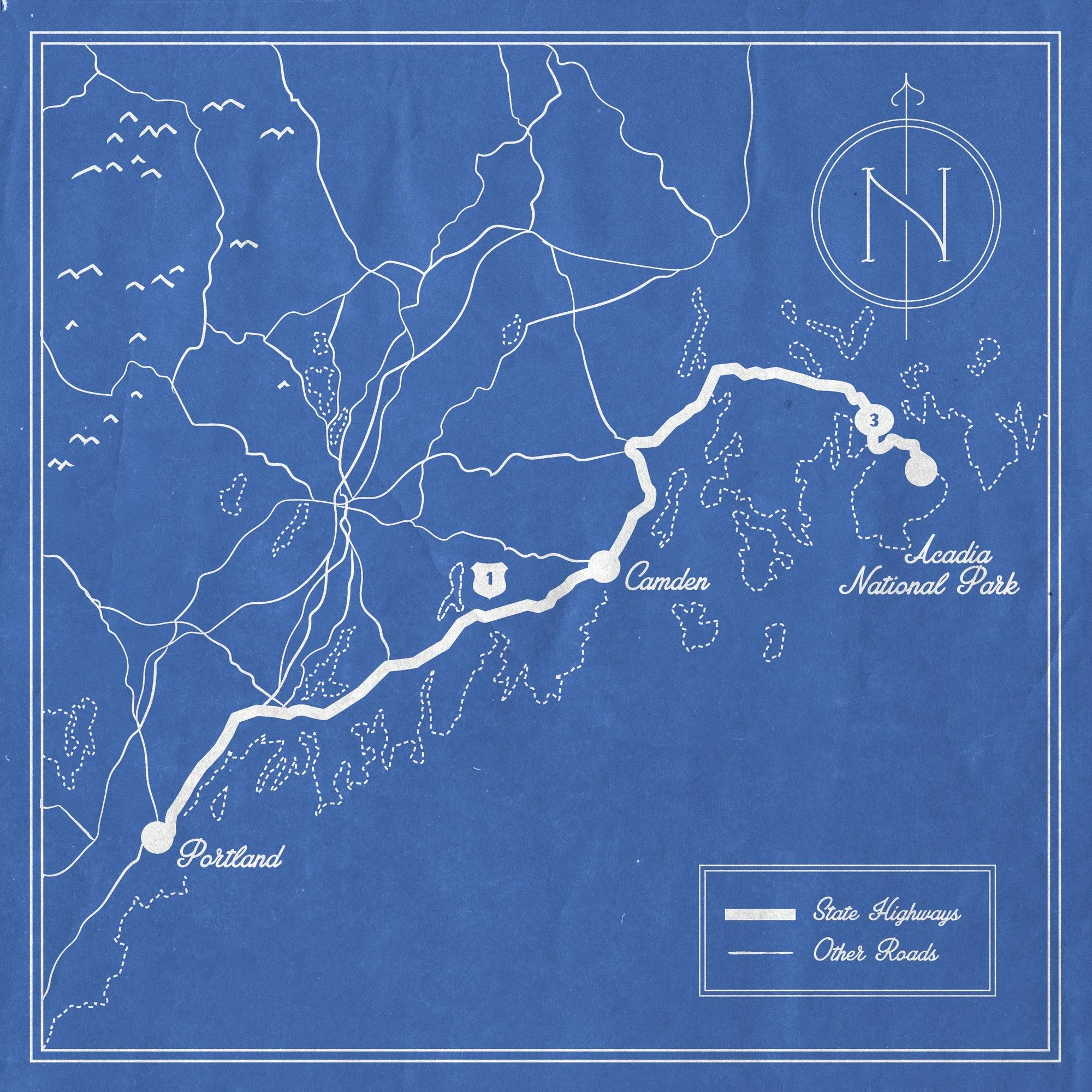
Suggested Route
Acadia National Park (stay in Bar Harbor) — 2–3 days
Camden — 1 day
Portland — 2 days
Total Trip: 5–6 days - See Complete Route
Optional Extension
If you have a few extra days, head west into New Hampshire's White Mountains, where the scenic Kancamagus Highway winds through dense forests, mountain passes, waterfalls, and colorful fall foliage. Spend time exploring North Conway, a charming mountain town that serves as an excellent base for hiking, scenic railways, and discovering one of New England's most beautiful mountain regions.
Final Thoughts
Every national park has something special to offer in every season, but choosing the right time to visit can transform a good trip into an unforgettable one. Whether you're chasing wildflowers in the mountains, vibrant fall color, quiet winter landscapes, or warm summer evenings beneath the stars, a little planning helps you experience each park at its very best.
While these parks are incredible destinations on their own, some of the most memorable moments happen beyond the park boundaries. A scenic highway, a small mountain town, a roadside diner, or an unexpected overlook often becomes just as meaningful as the famous viewpoints. Slowing down and allowing time to explore the surrounding region can turn a weekend visit into a journey you'll remember for years.
The parks may be the reason you start the trip, but they don't have to be where the adventure ends.
So pick a season, choose a park, and take the long way around. You never know what you'll discover along the way.
Continue Reading