Why We Make What We Make
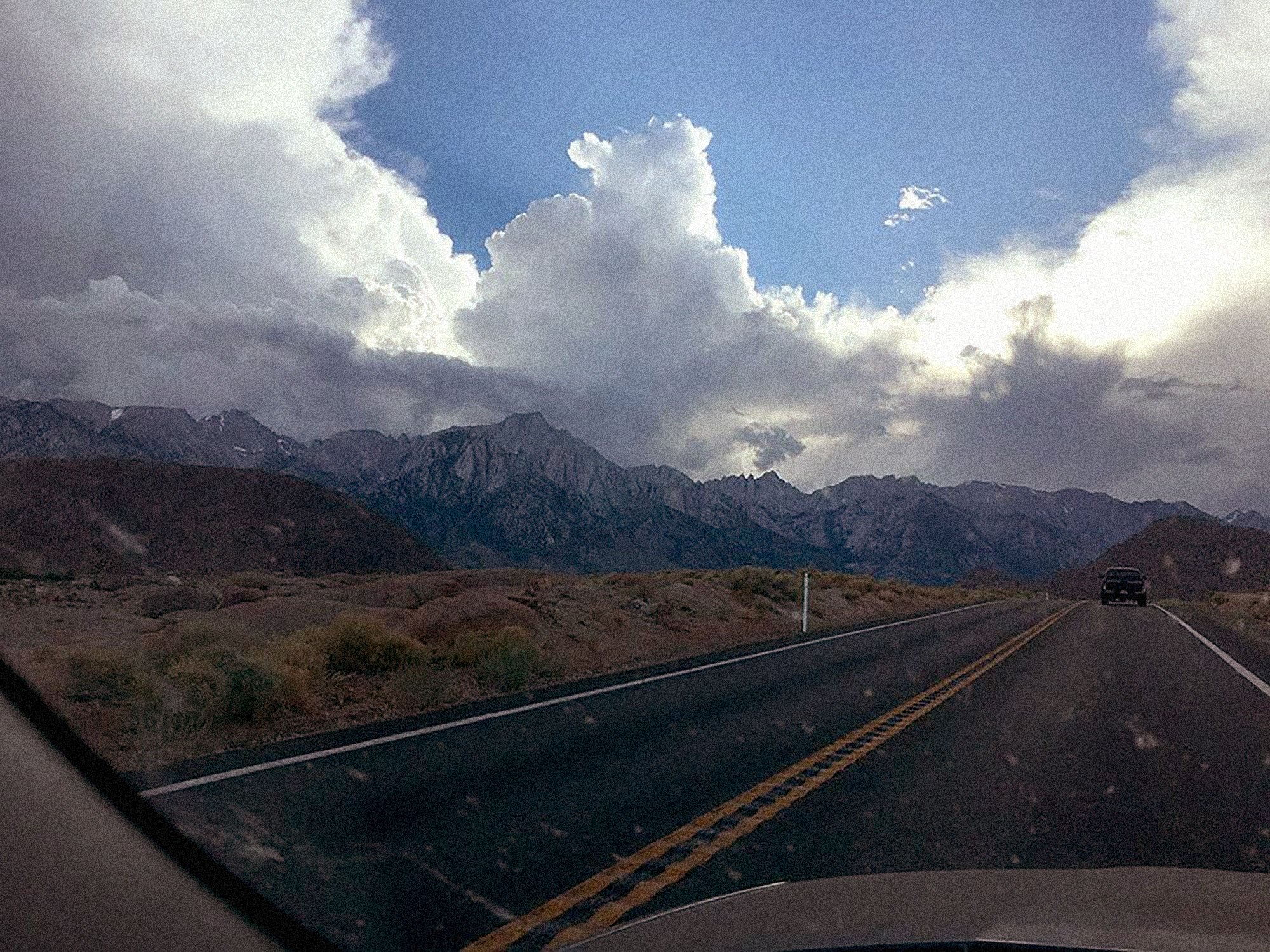
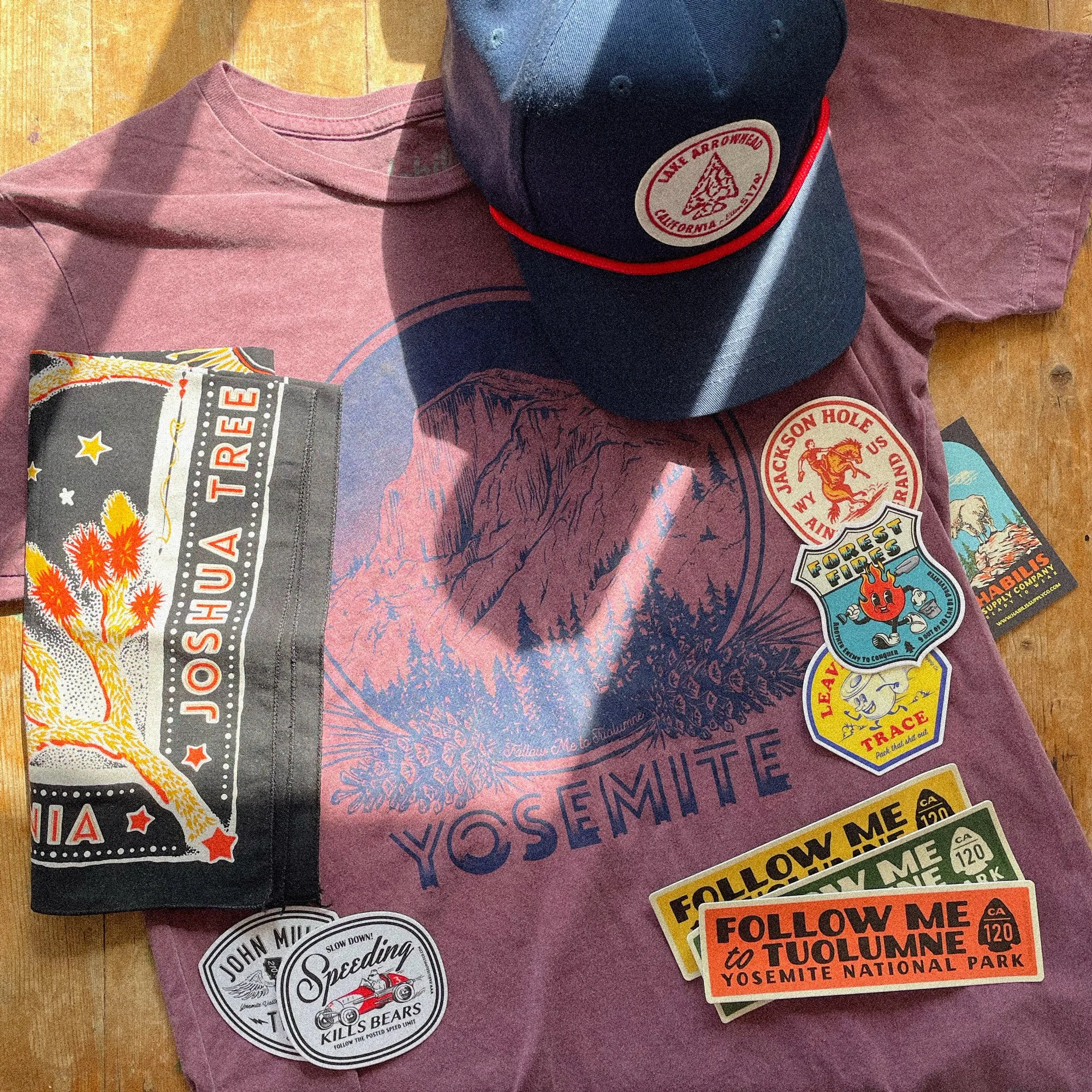
There’s no shortage of things to bring home from a national park, a mountain town, or a road trip. Shirts, hats, stickers, postcards—small reminders of places we’ve been and, sometimes, places we hope to return to. Some stick around. Others end up in the back of a drawer almost as soon as the trip is over.
I’ve always been interested in the difference.
Habilis started with a fairly simple idea: make things that feel connected to the places they represent, and make them well enough that you’ll still want to wear them long after you get home. Not merchandise for the sake of merchandise, and not outdoor apparel designed to tell anyone how outdoorsy you are. Just good objects tied to places worth remembering.
Starting With the Place
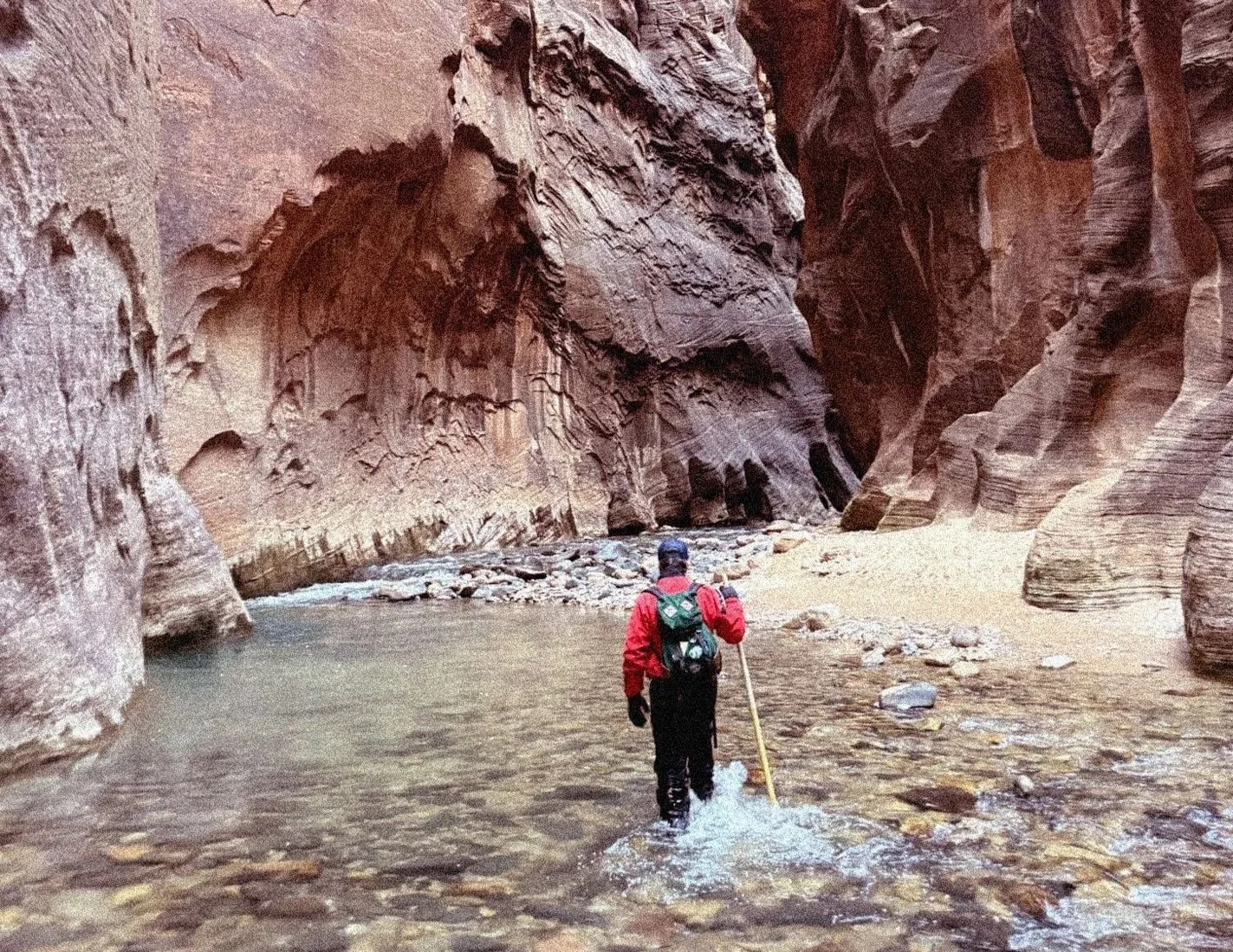
Most Habilis designs begin with places I already have some connection to—places I’ve driven through, camped in, hiked, skied, fished, or returned to over the years. Sometimes the connection goes back decades. Other times it begins with a road trip, a landscape I want to understand better, or something I notice that sends me down a much longer path of research than I expected.
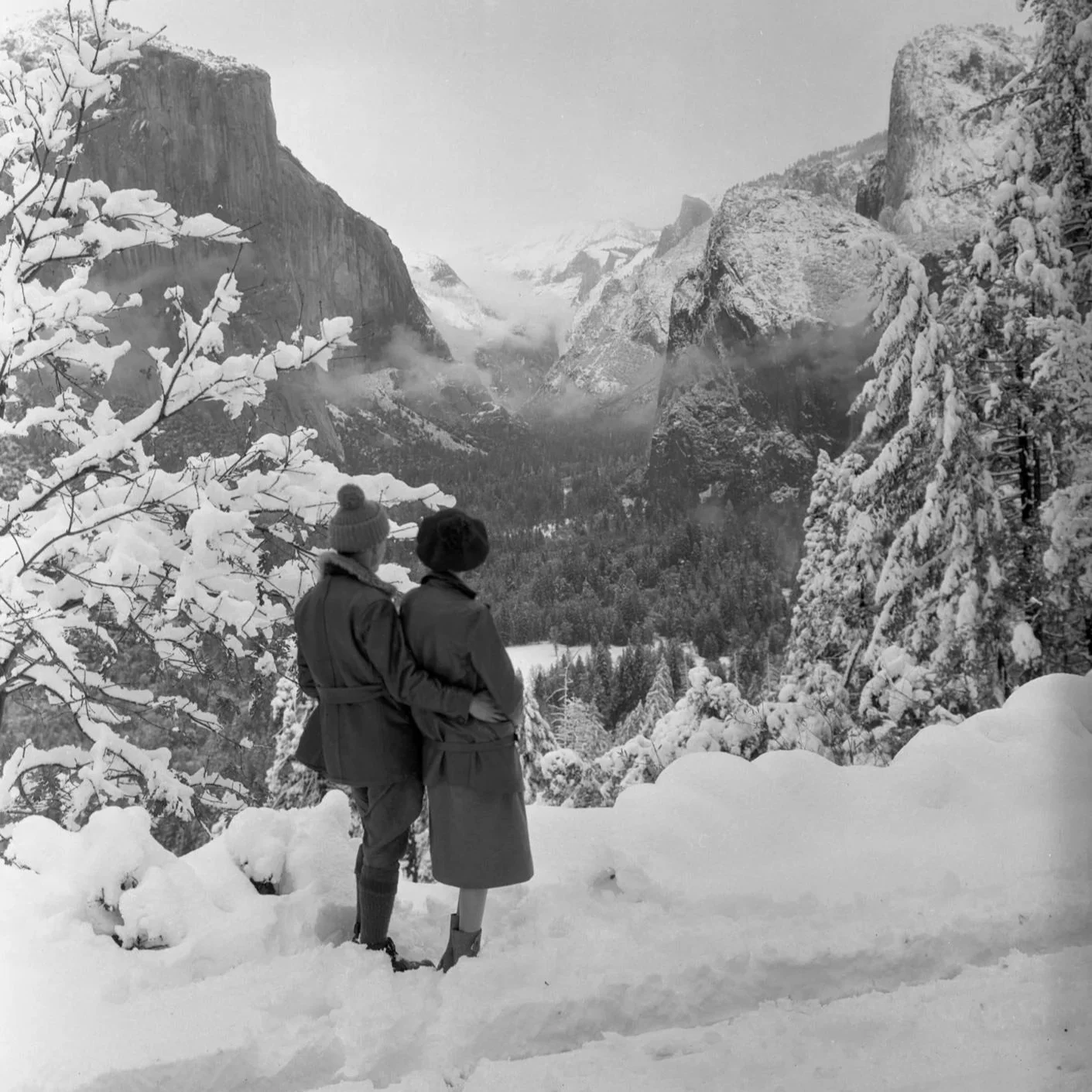
Before drawing, I spend time thinking about what actually makes a place recognizable. The obvious landmark is sometimes the answer, but often it’s something else: the scale of Yosemite Valley, the open desert around Joshua Tree, the geology of southern Utah, or the way the Eastern Sierra rises so abruptly alongside Highway 395. A road, an old sign, a building, or a piece of local history can be just as important.
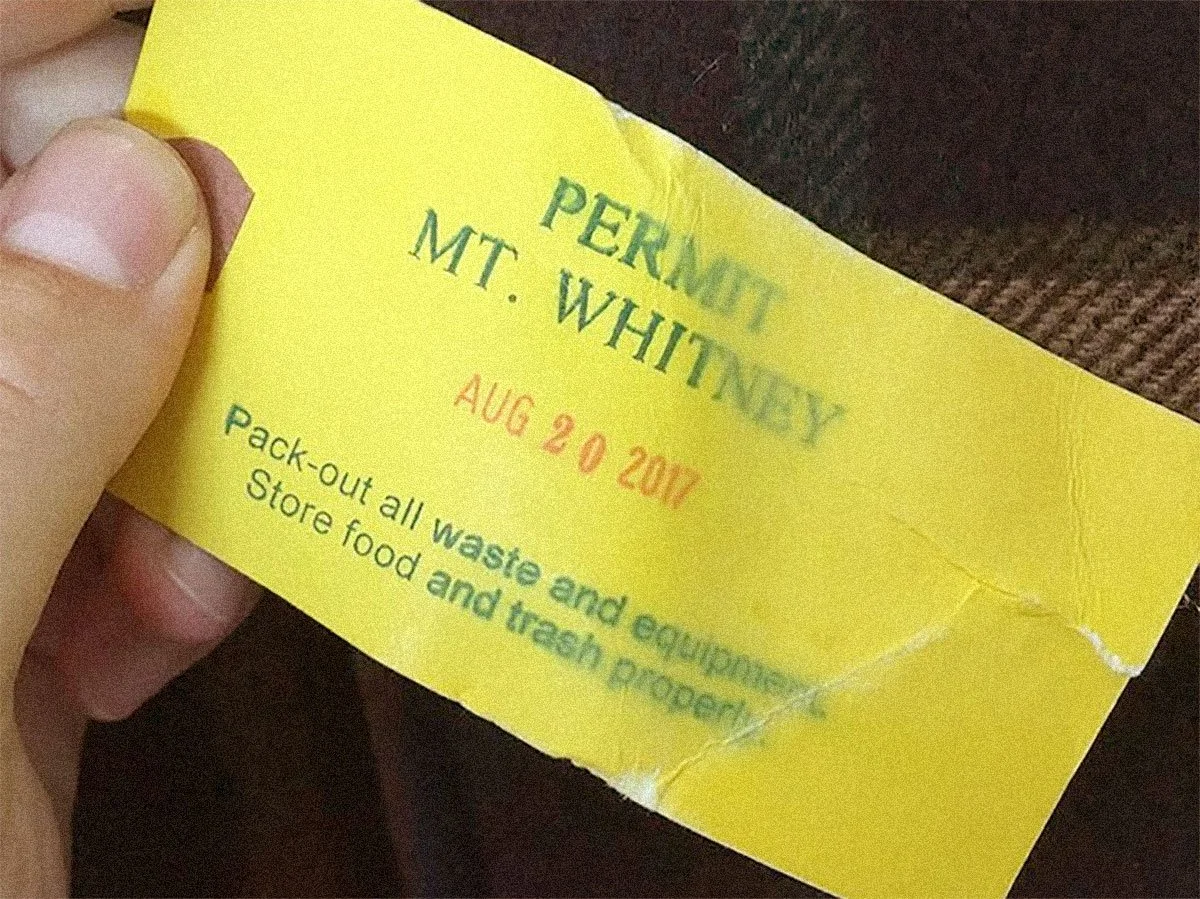
I want the finished design to feel specific enough that simply changing the place name wouldn’t work.
Everything starts as illustration rather than a collection of stock elements or clip-art imagery. Drawing takes longer, and it doesn’t always go where I expect it to. I can spend a lot of time on something only to decide it isn’t working and start over. It’s a slow process and occasionally a frustrating one, but I’ve never found a shortcut that produces the same result. The finished image is an interpretation of the place: what I noticed, what stayed with me, and what seemed worth putting down on paper.
Looking Back Without Living in the Past
A lot of the visual language at Habilis comes from older things: park posters, maps, roadside signage, souvenir graphics, workwear labels, old outdoor catalogs, worn-in T-shirts and printed ephemera.
I’ve spent more than twenty years working as a designer and creative director, which has probably made me more particular about these things rather than less. One of the strange parts of running Habilis is that I’m also my own client. There isn’t anyone on the other side of the table telling me a design is finished, so I can keep moving type around, redrawing something or questioning a color long after a reasonable person would probably have stopped.
The same tendency carries over into research. I can lose an afternoon trying to figure out where an old park graphic came from, when a particular sign appeared, who made something, or whether an image that has been reproduced for years actually originated somewhere else. Sometimes none of that research makes it into the finished design. I still want to know.
Older design is especially interesting to me because so much of it has already passed the test of time. I like the printing techniques, imperfect registration, restrained color palettes and typography, but I’m just as interested in understanding why certain things still look good decades after they were made.
I’m not interested in reproducing a particular era exactly. The useful parts of those references get mixed with my own design experience, contemporary garments and whatever I’ve learned about the place along the way. Ideally, the result feels familiar without feeling borrowed.
Making Something You’ll Actually Keep
I spent much more time sourcing garments than I expected when I started Habilis. The artwork gets most of the attention, but eventually I realized that the shirt itself determines whether any of this works. A good graphic on a shirt you don’t like wearing is still a shirt you don’t wear.
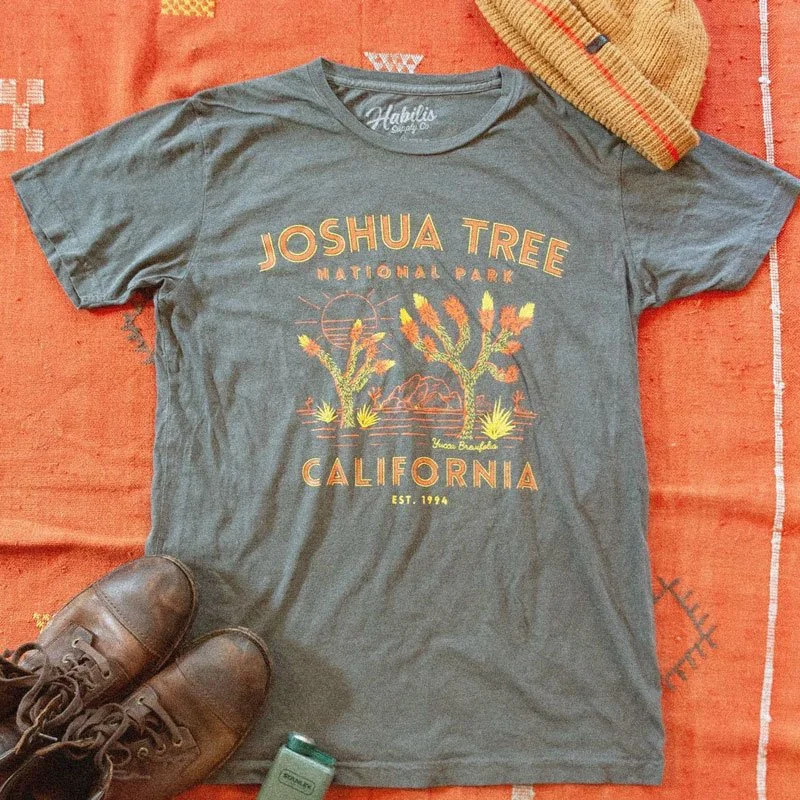
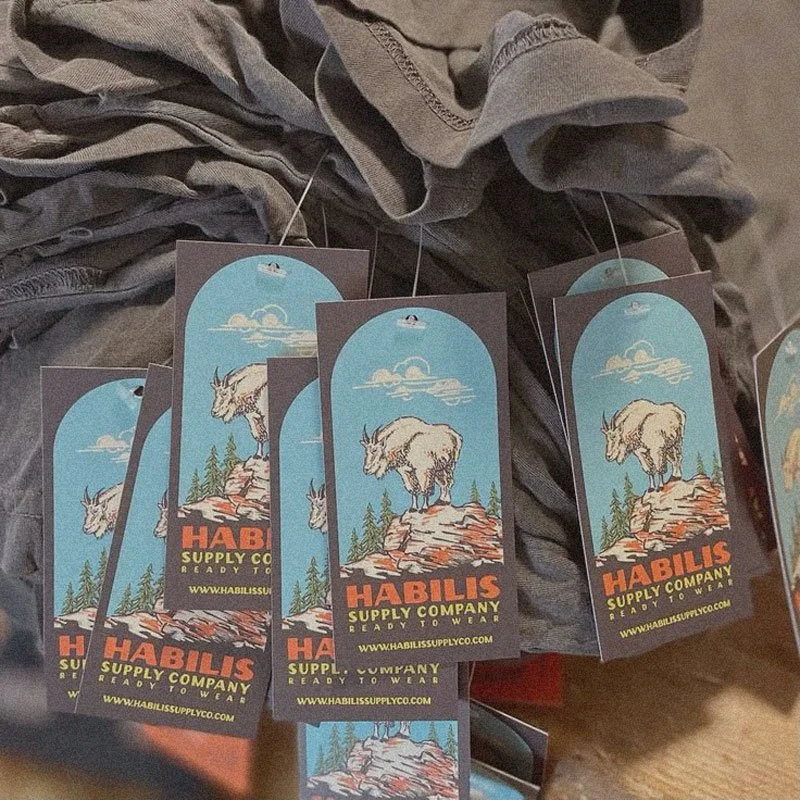
Fabric, weight, fit, construction and hand feel became part of the design process. I look for garments that feel good from the beginning and continue to hold up after being worn and washed repeatedly. Whenever possible, we use shirts made in the United States, and the printing is done here in Los Angeles.
What I’m after is the kind of shirt that gradually becomes one of your shirts: the one pulled out of the drawer without much thought, packed for a weekend away, worn under a jacket in winter and on its own all summer.
The same thinking affects how often I release new work. Apparel has increasingly organized itself around a constant cycle of new seasons, collections and drops, but I’ve never seen much reason to make something simply because enough time has passed since the last release.
I’m sure that frustrates some customers at times. People are used to seeing something new every season, and I understand the expectation. There are times when I wonder whether I should be releasing more, too. But I still have designs from years ago that people continue to find and buy. If a Yosemite shirt still works and somebody still wants to wear it, I don’t see much reason to replace it just so there’s a newer Yosemite shirt.
New work gets added when I find a place, subject or idea worth spending time on. Some designs find an audience immediately and others take longer. I’ve become increasingly comfortable giving them that time.
Beyond the Shirt
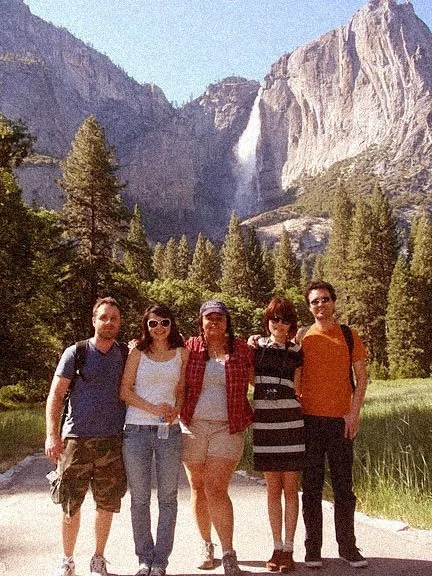
It’s difficult for me to work on a place without wanting to know more about it. A Mammoth Lakes design can lead into the history of Mammoth Mountain, then the town, the roads, the Eastern Sierra, fishing the Owens River and the strange geography of a place I’ve been visiting for most of my life. Big Sur opens up Highway 1, its campgrounds and redwoods, roadside institutions and the long history of people drawn to that coast.
Eventually I wanted somewhere to put all of the other material I was finding. There’s only so much you can say through a graphic on a shirt or a few paragraphs on a product page, and a lot of what interested me had nowhere to go.
Field Notes became that place.
Some stories are practical—a winter guide, a road trip, information that might make someone’s visit easier. Others have led into history, outdoor culture, conservation, water, access and the decisions that shape public lands. Researching them often changes how I understand places I thought I already knew.
Mammoth is probably the clearest example. I’ve been going there for more than 35 years, mostly to ski and snowboard, and I’m still finding reasons to look at the Eastern Sierra differently. Fishing led me to the Owens River. Looking more closely at the river led to questions about water and flows. Researching the town led into its history and the way Mammoth developed around the mountain.
Field Notes gives me room to follow those subjects without having to turn every interesting thing I find into a product. The products and the stories can overlap when it makes sense, but each should be able to stand on its own.
The place comes first.
The Long Way Around
Road trips have been part of Habilis from the beginning, partly because they were part of my life long before there was a Habilis.
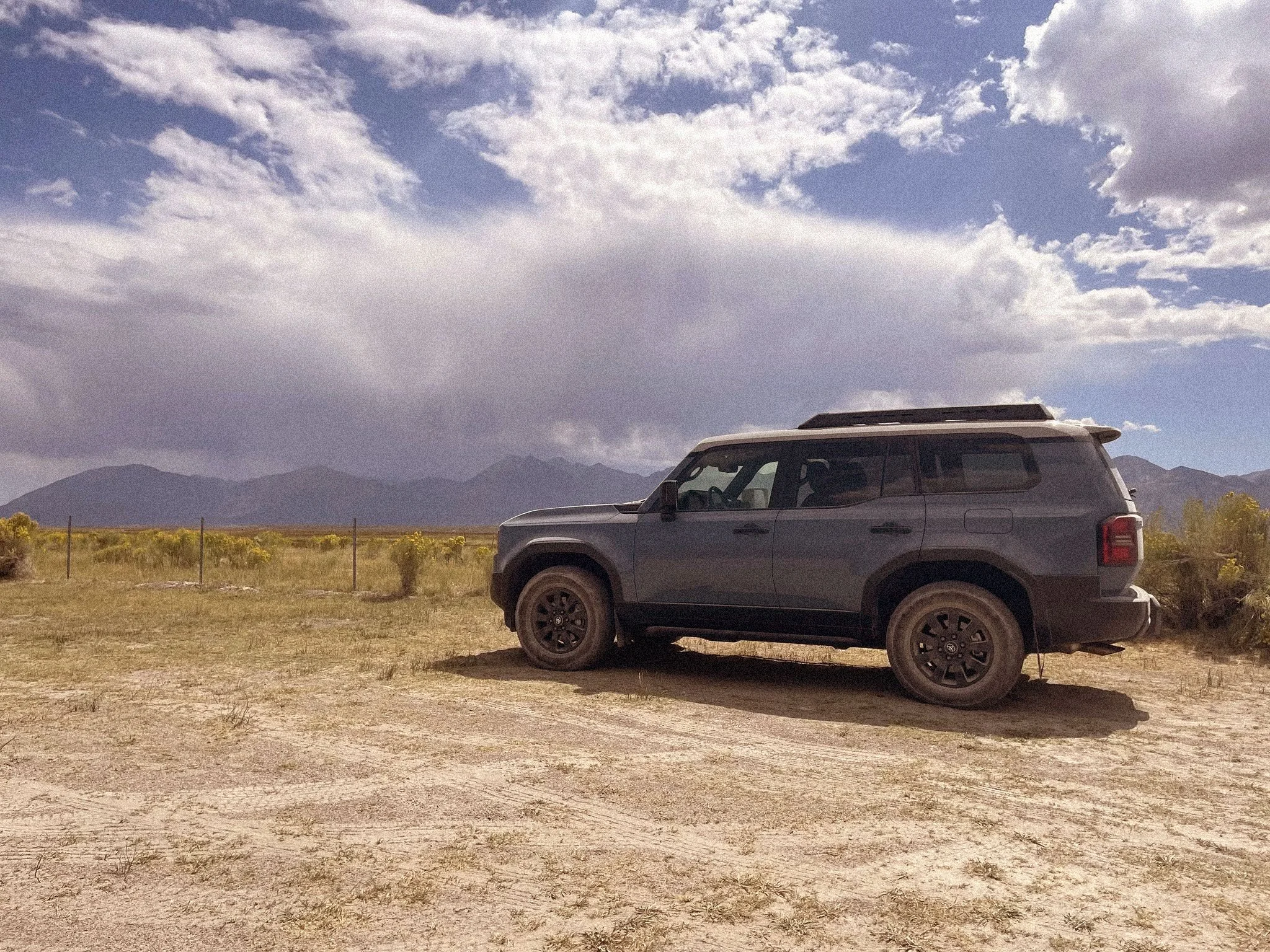
Growing up and living in Southern California means a lot of the places I care about require spending a fair amount of time in a car. Mammoth is hours up Highway 395. Yosemite is a long drive north. Joshua Tree, Big Sur and the desert parks all have their own familiar stretches of road attached to them. For me, the drive has always been part of going there.
Highway 395 is probably the easiest example. You can drive it simply because it’s the road to Mammoth, but after enough trips the things along the way become part of the experience: the mountains appearing beside you, familiar towns, places you stop to eat, places you keep meaning to stop and finally do. The destination is still the reason for leaving home, but it isn’t the whole trip.
Somewhere along the way, Made for the Long Way Around started to feel like a pretty good description of what I was already doing.
It applies to the work, too. I tend to take my time, and Habilis has probably grown more slowly because of that. But it has also grown into something I’m still interested in making.
A shirt is a very ordinary object, which may be part of why I like making them. It can begin with somewhere extraordinary—a national park, a desert highway, a mountain town—and then come home with you and become part of normal life. Years later, it can still remind you of where you were, who you were with, or why you wanted to go there in the first place.
That relationship between place, memory and the objects we keep is what Habilis has been about from the beginning.